
Side Dishes
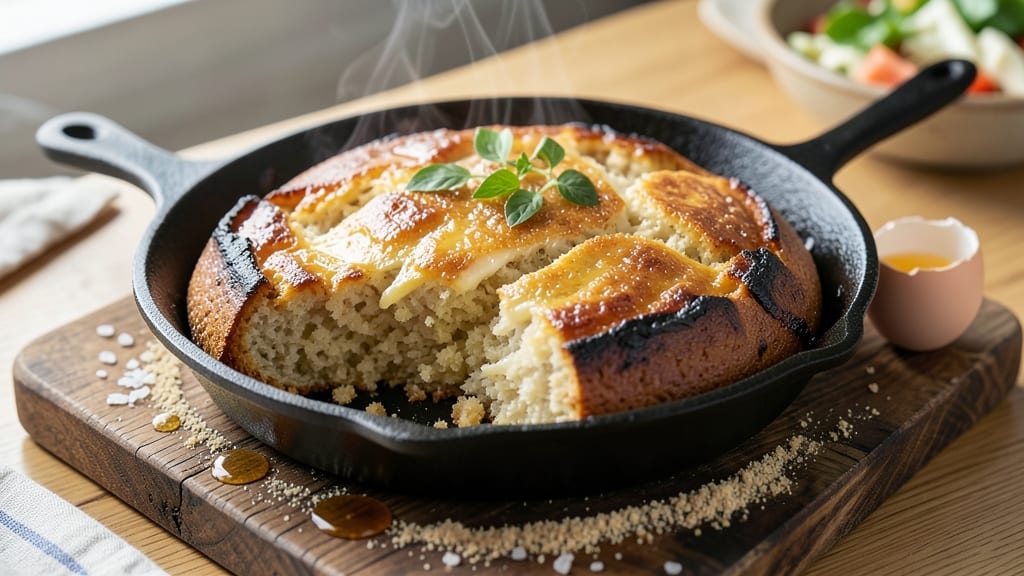
This Albers corn bread recipe delivers the perfect balance of crisp golden crust and tender, buttery crumb that Southern kitchens have perfected for generations.
The secret lies in the right mix of fine cornmeal, all-purpose flour, and a touch of baking powder that creates that signature texture—crusty on the outside, moist and crumbly within.
I've baked countless batches over the years, and this version never fails to impress, whether served alongside chili, smothered in honey, or paired with a hearty stew.
The beauty of this recipe is its simplicity—just a handful of ingredients that come together in minutes, yet deliver restaurant-quality results. What sets it apart is the slow-baked approach that ensures even heat distribution, preventing that dreaded dense center while achieving a perfect golden crust.
The addition of melted butter to the batter creates that signature Southern richness that makes this corn bread irresistible.
By the time it emerges from the oven, you'll have a loaf with a crisp exterior that shatters slightly when cut, revealing a tender crumb infused with corn flavor and just enough sweetness from the sugar.
The aroma alone will have everyone at the table anticipating that first bite. This isn't just corn bread—it's a side dish that elevates any meal from ordinary to extraordinary.
Perfect for family dinners, potlucks, or as a comforting side to your favorite Southern dishes, this recipe scales beautifully and reheats wonderfully. The key is letting it cool slightly before serving—this allows the flavors to meld and the texture to set just right.
Let's get started on making this classic Southern staple that'll become a household favorite.
Ingredients for albers corn bread
Just nine ingredients transform into that legendary Southern crust and crumb combo.
| Ingredient | Amount | Notes |
|---|---|---|
| Fine Cornmeal 🌽 | 2 cups | Stone-ground preferred for texture |
| All-Purpose Flour 🌾 | 1 cup | White, bleached or unbleached |
| Granulated Sugar 🍚 | ¼ cup | White sugar preferred |
| Baking Powder 🧂 | 1 ½ tsp | Double-acting preferred |
| Salt 🧂 | ½ tsp | Diamond Crystal kosher preferred |
| Large Eggs 🥚 | 1 whole | Room temperature for best mix |
| Unsalted Butter 🧈 | ½ cup | Melted, full-fat preferred |
| Milk 🥛 | 1 cup | Whole milk for richness |
| Vanilla Extract 🌸 | 1 tsp | Pure vanilla preferred |
The cornmeal is non-negotiable here—stone-ground gives that signature texture, but regular fine cornmeal works too. Bob's Red Mill has the best stone-ground if you want to splurge, but the regular grocery store stuff is fine. The baking powder needs to be double-acting—Albertsons or Kroger brands are reliable. Butter matters too—full-fat, unsalted makes all the difference in that rich crumb. I always melt mine in the microwave for 40 seconds to just soften, then stir into the warm milk for the batter. That little trick keeps the butter from separating.
No vanilla extract? Vanilla sugar at half the amount works in a pinch, or a dash of almond extract for depth. Whole milk too expensive? Evaporated milk or even buttermilk keeps the richness. The sugar can be swapped for brown sugar if you like a deeper caramel flavor—just don't exceed 0.25 cup or it gets too sweet. For gluten-free, swap the flour for a 1:1 blend, but the texture won't be identical. The eggs? Room temperature is key—they mix better and give a lighter crumb.
This batter thickens fast, so mix it up right before baking. The loaf keeps best in an airtight container for 3 days at room temperature, but reheats beautifully in the oven at 300°F for 10 minutes. Freezes for 3 months—wrap tightly in foil first. I always bake two loaves at once—one for dinner, one for leftovers. The second day? Even better with a little extra butter brushed on top and toasted until golden.
Why You'll Love This Recipe
- No Fuss Mix-In: I’ll be real—this recipe only needs five ingredients, and zero weird techniques. Just stir, pour, bake. That’s it. Even if you’re the kind who burns toast, this’ll turn out.
- Sweet-Savory Balance: The sugar in this isn’t cloying—it’s just enough to round out the cornmeal’s natural nuttiness while the baking powder keeps it light. Honestly, that first bite of tender crumb with a hint of crisp edges? My go-to with chili or butter.
- Weeknight Workhorse: Breakfast? Lunch? Leftovers reheated for dinner? This holds up everywhere. I keep a loaf wrapped in the fridge for days—slice it fresh, toast it, or crumble it into soups. No waste, all flavor.
- Pantry Staple Magic: Between us, this is the kind of recipe that makes you feel like a genius because it uses what you already have. No specialty flours or expensive add-ins—just cornmeal, flour, sugar, and a pinch of salt. Budget-friendly? Absolutely. Reliable? Even more so.
Step-by-step instructions for Southern-style corn bread
Here's how to make that perfect golden crust with a tender, buttery crumb—just like Albers does.
Preheat and Prepare Your Pan
Preheat your oven to 425°F—this high temperature gives you that signature crispy crust. Grease an 8-inch cast-iron skillet generously with 1 tablespoon of the melted butter, making sure to coat the bottom and sides thoroughly. The extra butter in the pan creates that iconic crispy crust you crave.
While the oven heats, set aside the remaining ¼ cup melted butter for mixing—we'll use it to keep the crumb moist and rich. The cast-iron skillet is key here; it retains heat beautifully and gives that perfect crust texture that's hard to replicate with other pans.
Whisk Dry Ingredients Together
In a large bowl, whisk together the 2 cups fine cornmeal, 1 cup all-purpose flour, ¼ cup granulated sugar, 1½ teaspoons baking powder, and ½ teaspoon salt until completely combined. This step ensures an even distribution of ingredients, which prevents pockets of dryness in your finished bread.
I like to use a whisk for this part because it aerates the dry ingredients slightly, which helps create that light, tender crumb. Don't skip this step—proper mixing is what gives you that perfect texture. The cornmeal should look uniformly mixed with no flour streaks remaining.
Mix Wet Ingredients Separately
In another bowl, whisk together the 1 whole egg, 1 cup milk, 1 teaspoon vanilla extract, and the remaining ¼ cup melted butter until smooth. The liquid mixture should be completely homogeneous with no visible streaks of butter or egg yolk.
This is where the magic happens—the vanilla and butter add that rich, buttery flavor that makes this corn bread so special. I always use room-temperature egg for better emulsification with the other liquids. If your egg is cold, the mixture might curdle when combined with the dry ingredients.
Combine Wet and Dry Ingredients
Pour the wet ingredients into the bowl with the dry ingredients and stir gently with a spatula until just combined. You're looking for a thick, sticky batter that still has some lumps—overmixing develops gluten and makes the bread tough. Stop mixing as soon as all the dry ingredients are incorporated.
The batter should be thick enough to hold its shape when dropped from a spoon but still flow easily. If it's too thick, add 1-2 tablespoons of milk to loosen it. The consistency is crucial for that perfect crumb structure—too thin and it'll be dense, too thick and it'll be dry.
Bake to Golden Perfection
Quickly pour the batter into your prepared cast-iron skillet and spread it evenly with the back of a spoon. Bake in the preheated oven for 20-25 minutes until the top is deep golden brown and a toothpick inserted in the center comes out clean.
Here's the thing—don't open the oven during baking. The steam inside helps create that tender crumb, and peeking lets that steam escape, potentially leading to a denser bread. When it's done, let it cool in the pan for 5 minutes before transferring to a wire rack to cool completely.
Serve Warm with Butter
While still warm, slice the corn bread into wedges and serve immediately. The warmth is essential—this is when the crumb is at its most tender. I like to serve it with extra melted butter poured over the top or on the side for dipping.
This Southern-style corn bread should have a crispy, slightly crackly crust on top with a moist, buttery crumb underneath. Each bite should deliver that perfect balance of sweetness from the sugar, richness from the butter, and that classic corn flavor. Enjoy it warm with honey, jam, or as a side to your favorite Southern dishes!
Pro Tips For Making Albers Corn Bread
- MEASURE CORNMEAL BY WEIGHT: I learned this the hard way—scooping fine cornmeal by volume leads to dry, crumbly bread. Use a kitchen scale for 1 cup (120g) to guarantee consistency, especially when mixing with flour. The ratio matters more than you’d think.
- WHISK DRY INGREDIENTS FIRST: Mix the baking powder, salt, and sugar with the cornmeal and flour before adding liquid. This ensures even distribution—no more lumpy pockets that ruin the crumb. I skip this step sometimes, and the texture suffers.
- STOP WHEN THE EDGES SPRING: The bread’s done when a toothpick comes out clean and the edges spring back when pressed. Oven temperatures vary, so resist the urge to overbake—Albers-style corn bread dries out fast, and you’ll regret it.
- ADD HOT LIQUID TO DRY: Pour boiling water (or milk, if substituting) over the dry ingredients instead of mixing at room temperature. The heat activates the baking powder instantly, giving you a lighter, fluffier crumb without waiting for the batter to rest. Sounds weird, but it works.
Wine and beer pairings for these flavors
Sweet White Wine
For this buttery, slightly sweet corn bread, I reach for a crisp Viognier or Chenin Blanc from the Loire Valley—both wines have enough acidity to cut through the richness while complementing the corn's natural sweetness.
A glass of Oregon Pinot Gris also works beautifully, especially if you've added honey or jam to your serving. The floral notes in these whites enhance the vanilla and butter flavors without overpowering the corn's earthy character. 🍷
Honey-Infused Beer
A honey ale or Belgian witbier is my go-to beer pairing because the honey echoes the corn bread's subtle sweetness while the spicy coriander in witbiers adds a refreshing contrast. Look for brands like Allagash White or New Belgium Voodoo Ranger—both have that perfect balance of sweetness and tartness.
For a lighter option, a German Hefeweizen with its banana and clove notes provides a nice contrast to the corn's earthiness.
Spiced Bourbon
If you prefer spirits, a small glass of bourbon (especially one aged in charred oak) pairs wonderfully with the caramelized notes in the crust. I like to sip on Buffalo Trace or Woodford Reserve—their vanilla and oak flavors harmonize with the corn bread's buttery richness.
For a twist, add a splash of bourbon to warm milk when making the batter for an extra depth of flavor.
Herbal Tea Pairing
For a non-alcoholic option, a cup of chamomile or hibiscus tea enhances the corn bread's comforting qualities. The floral notes in chamomile complement the vanilla, while the tartness of hibiscus balances the sweetness. Serve the tea slightly warm to let the flavors meld perfectly with each bite.
A drizzle of honey in the tea adds another layer of sweetness that mirrors the corn bread's natural sugars. 🍵
Coffee Contrast
Believe it or not, a strong cup of dark roast coffee (like a Sumatra or Guatemalan>) cuts through the corn bread's richness beautifully. The bitterness in the coffee highlights the bread's buttery texture and subtle sweetness.
I often enjoy this pairing after a hearty Southern meal—it cleanses the palate while keeping the meal's comfort level high. For an extra touch, add a pinch of cinnamon to your coffee to echo the warm spices in the corn bread.
Nutrition facts
Frequently asked questions
Can I make this corn bread without cast iron?
While cast iron gives that signature crispy crust, you can use an 8-inch oven-safe skillet or even a greased 9-inch pie dish. Just reduce the baking time by 2-3 minutes since metal conducts heat differently. For best results, preheat your alternative pan in the oven for 5 minutes before adding the batter.
Why does my corn bread turn out dense?
Overmixing the batter or opening the oven too soon are the most common culprits. Stop stirring once the dry ingredients disappear—overworking develops gluten, making it tough. Also, resist peeking! The trapped steam creates that tender crumb. If your oven runs hot, try 375°F instead of 425°F for a slower rise.
How can I make this gluten-free?
Swap the all-purpose flour for a 1:1 gluten-free baking flour blend (like Bob's Red Mill) and add ½ teaspoon xanthan gum to improve texture. The crumb won't be identical, but it'll still be delicious. For extra moisture, reduce the milk by 2 tablespoons since gluten-free batters often need less liquid.
Can I make this in a muffin tin?
Yes! Grease a muffin tin well and divide the batter evenly among 12 cups. Bake at 400°F for 15-18 minutes until golden. These mini corn breads are perfect for individual servings or as a topping for chili. Just watch the baking time closely—they burn faster in smaller pans.
What's the best way to reheat leftover corn bread?
Wrap slices in foil and warm at 300°F for 5-7 minutes to restore that tender crumb. For extra crispiness, broil for 1-2 minutes on high. Microwaving works in a pinch (20-30 seconds), but it can make the crust soggy. The key is low-and-slow heat to revive the texture without drying it out.