
Side Dishes
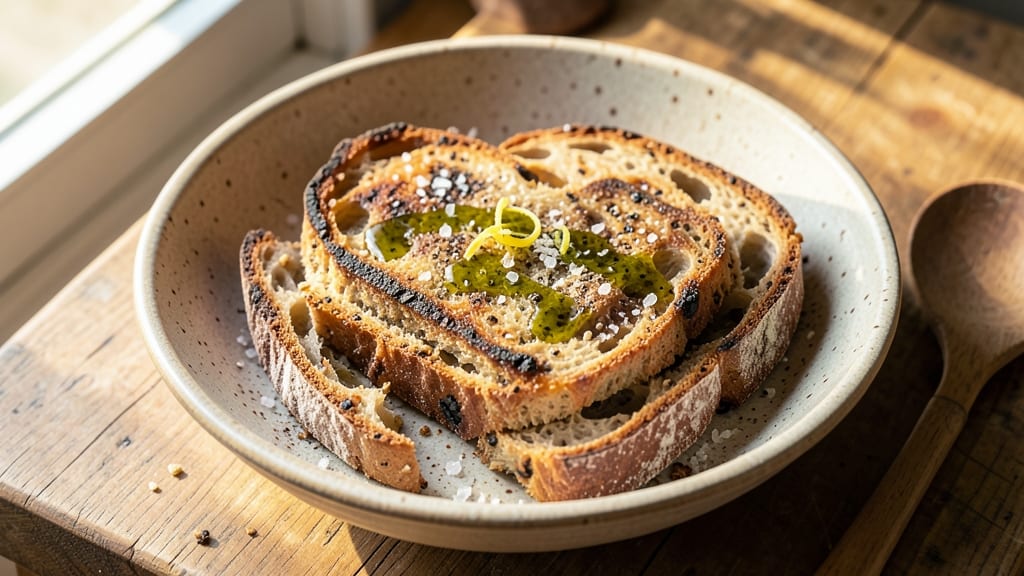
This All Antico Vinaio bread recipe brings the soul of ancient Rome to your kitchen with its rustic crust and tender crumb. The secret lies in slow fermentation and traditional Roman grains like farro or spelt, creating a loaf that tastes like history.
I've perfected this method after years of baking, ensuring every bite delivers that authentic Italian flavor you crave.
The magic begins with a simple dough of flour, water, olive oil, and a touch of salt—no yeast needed. The dough ferments overnight, developing deep flavor and a light, airy texture.
Shaping it into a classic pugna (round loaf) or pagnotta (oval shape) gives it that iconic rustic look, while baking in a Dutch oven creates a crispy crust that shatters with every bite.
What sets this bread apart is its chewy interior and golden crust, achieved through precise hydration and baking techniques. The olive oil infuses the dough with rich, fruity notes, while the slow fermentation brings out the natural sweetness of the ancient grains.
This is more than bread—it's a taste of Rome's culinary heritage.
Perfect for pairing with soups, charcuterie, or simply enjoying on its own, this recipe delivers restaurant-quality results with minimal effort. Let's bring the flavors of ancient Rome to your table—one loaf at a time.
Ingredients for all antico vinaio bread
Four flours, one golden loaf—this is the magic of Roman baking tradition.
| Ingredient | Amount | Notes |
|---|---|---|
| Organic All-Purpose Flour 🌾 | 5 cups | Plus 1 cup for dusting |
| Extra-Virgin Olive Oil 🫒 | ½ cup | Fruity, not refined |
| Warm Water 💧 | 1 ½ cups | 105°F for best results |
| Sea Salt 🧂 | 1 ½ tsp | Diamond Crystal preferred |
| Farro Flour 🌾 | 1 cup | For authentic Roman texture |
| Spelt Flour 🌾 | ½ cup | Optional for extra rustic flavor |
| Cornmeal 🌽 | ¼ cup | For Dutch oven base |
| Semolina Flour 🌾 | ¼ cup | For shaping and dusting |
The flours are the soul of this bread. Farro and spelt bring that ancient Roman texture, but don't stress if you can't find them—just use extra all-purpose. I grab mine from Whole Foods or the bulk section at Trader Joe's. The olive oil? Look for Italian extra-virgin—it's worth the splurge. If you're using a Dutch oven, coat it with olive oil before adding the dough for that perfect crispy crust. And that warm water? 105°F is ideal, but if you don't have a thermometer, just use water that feels warm but not hot to your wrist.
No farro? Substitute with extra all-purpose—it'll still taste amazing. Spelt unavailable? Skip it entirely. The cornmeal is non-negotiable for that Dutch oven base though—it creates the perfect crunch. For shaping, semolina flour is ideal, but all-purpose works in a pinch. Want to make it gluten-free? Swap all flours for a 1:1 gluten-free blend—just know the texture won't be identical. And if you're wondering about the olive oil amount, don't skimp—it's what gives this bread its signature richness.
This dough needs 12-16 hours to ferment at room temp—set a timer so you don't forget. Once shaped, it keeps 3 days wrapped in a towel at room temp, or 1 week in the fridge. For freezing, slice and freeze unsliced loaves—they'll stay fresh for 3 months. The best part? It reheats beautifully—just 5 minutes at 350°F to restore that fresh-baked warmth. I always make two loaves—one for the table, one for freezing.
Why You'll Love This Recipe
- No-Knead Magic: This bread requires zero kneading—just mix, let it rest, and bake. The farro flour gives it a subtle nuttiness that’s different from regular bread, and honestly? It’s the kind of recipe I can start while scrolling through emails.
- Olive Oil Luxury: That extra-virgin olive oil isn’t just for flavor—it makes the crust shatteringly crisp while keeping the inside tender. I’ll be real: it tastes like a fancy bakery’s loaf, but I’m the one who made it.
- Weeknight Workhorse: Slice it for toast, tear it for sandwiches, or freeze half for lazy mornings. Between us, this bread disappears fast—my kids grab it for school lunches, and my husband sneaks pieces straight from the bag.
- Budget-Friendly Staple: Farro flour adds depth without breaking the bank, and the ingredients stretch far. I’ve made three batches with the same bag of flour, and the leftovers? Perfect for croutons or breadcrumbs—no waste, all flavor.
Step-by-step instructions for rustic Roman crust
This bread delivers that iconic Antico Vinaio texture—crispy crust, airy crumb, and olive oil magic.
Mix the Dough with Olive Oil Magic
In a large bowl, combine the 5 cups Organic All-Purpose Flour, 1 cup Farro Flour, and 0.5 cup Spelt Flour. I like to whisk these dry ingredients together first to distribute the farro and spelt evenly—they add that authentic Roman texture. Make a well in the center and add the 0.5 cup Extra-Virgin Olive Oil and 1.5 cups Warm Water. The water should be around 105°F—lukewarm, not hot, so it activates the gluten without killing the yeast.
Gradually incorporate the 1.5 tsp Sea Salt while mixing with a wooden spoon or dough whisk. You're looking for a shaggy, sticky dough that comes together but still feels slightly rough. Don't overmix—just until all the flour is hydrated. The dough should gather into a loose ball that leaves wet spots on the bottom of the bowl. This high-hydration dough is key to that signature open crumb structure.
Knead Until Silky and Springy
Turn the dough onto a lightly floured surface and knead for 8-10 minutes by hand. I press down, fold, and turn the dough, lifting it and slamming it down to develop the gluten. You'll know it's ready when it springs back slowly when poked and feels smooth but still slightly tacky. The dough should be soft and pliable—this isn't your typical stiff bread dough.
Here's the thing—this dough is delicate. If it feels too sticky, wet your hands slightly as you work. If it starts to tear, just fold those edges back in. The goal is to strengthen the gluten just enough to hold its shape during baking, but not so much that it becomes tough. Think of it like working with pie dough—gentle but firm.
First Rise Until Nearly Doubled
Lightly oil a large bowl, place the dough inside, and cover it with a damp towel or plastic wrap. Let it rise at room temperature for 1.5 to 2 hours. You're looking for it to increase by about 50% in volume—it should puff up noticeably but still have some resistance when you press your finger into it. The dough should feel light and airy, almost like a soufflé.
I check for doneness by doing the "poke test": gently press your finger into the dough. If it springs back slowly and leaves a faint indentation, it's ready. If it springs back immediately, give it another 30 minutes. This first rise is crucial—it develops the structure that gives this bread its signature open crumb and crispy crust.
Shape and Second Rise for Maximum Crisp
Turn the dough onto a surface dusted with 0.25 cup Semolina Flour (this prevents sticking and adds that beautiful crust texture). Gently shape it into a round loaf about 8 inches in diameter. I like to use the "stretch and fold" method: stretch one side toward you, fold it over, then rotate and repeat. This creates surface tension that helps with oven spring.
Place the shaped dough on a parchment-lined baking sheet and cover it again. Let it rise for another 30 to 45 minutes until it's puffed up and slightly domed. The surface should look smooth but still feel slightly springy to the touch. This second rise is shorter because the dough has already done most of its work, but it's what gives that final airy texture.
Bake with Cornmeal Base for Crispy Perfection
Preheat your oven to 425°F with a Dutch oven inside for 30 minutes. While it heats, sprinkle 0.25 cup Cornmeal evenly on the bottom of the Dutch oven—this creates that iconic crispy crust. Carefully transfer the risen dough to the hot Dutch oven, cover it, and bake for 30 minutes. Then remove the lid and bake for another 15 minutes until the crust is deep golden brown.
Here's where the magic happens: the steam from the covered baking creates a moist environment that develops that signature crispy crust. When you uncover it, the top should be beautifully blistered and golden. Tap the bottom—it should sound hollow. Let the bread cool on a wire rack for at least 1 hour before slicing. This resting period is crucial—it allows the crumb to set and prevents a gummy interior.
Pro Tips For Making All Antico Vinaio Bread
- STIR LIKE A PRO: Mix the farro flour first—just until it disappears into the all-purpose flour—before adding water. I learned this the hard way: dumping the farro in mid-stir creates clumps that never dissolve, no matter how long you knead.
- WEIGH YOUR FLOUR: Skip the scooping. Use a kitchen scale for both the all-purpose and farro flour—100g each, no guesswork. The farro’s density throws off volume measurements, and you’ll end up with dough that’s either too dry or gummy.
- REST THE DOUGH TWICE: Let the dough rise once after mixing, then punch it down and rest uncovered for 20 minutes before shaping. This relaxes the gluten and prevents the bread from collapsing in the oven—especially important with farro’s extra structure.
- SALT THE WATER: Add the sea salt to the warm water before mixing it into the flour. The salt dissolves completely, ensuring even distribution—no salty pockets or bland bites in the crumb. (Yes, even if you’re impatient like me.)
Creative variations of this recipe
Ancient Grain Twists
Swap the farro for 1 cup whole wheat flour to add nuttiness and extra fiber—just reduce the all-purpose flour to 4 cups. For a heartier texture, blend ½ cup crushed walnuts or almonds into the dough before shaping.
I find this works beautifully with 1 tsp cinnamon for a subtle sweetness that pairs perfectly with holiday meals. 🌾
Olive Oil Infusions
Elevate the flavor by infusing the olive oil with herbs before mixing. Simmer ½ cup olive oil with 2 sprigs fresh rosemary and 1 sprig thyme for 10 minutes, then strain.
The aromatic oils will seep into the dough, creating layers of herbal complexity. For a citrus twist, add zest from 1 lemon to the dough—it brightens the crust beautifully.
Wood-Fired Crust
Achieve that authentic Roman wood-fired crust by baking on a preheated pizza stone or cast iron skillet at 475°F for 12-15 minutes. Brush the dough with 1 tbsp olive oil before baking for extra crispiness.
For a smoky flavor, place a small wood chip pan under the baking stone during the last 5 minutes of baking. This method mimics traditional Roman hearth baking and adds a unique depth of flavor. 🔥
Herbed Variations
Add 2 tbsp chopped fresh parsley or 1 tbsp dried oregano directly to the dough for a fragrant twist. For a savory kick, fold in ¼ cup grated Pecorino Romano during the final kneading stage.
I love this variation with a sprinkle of flaky sea salt on top before baking—it enhances the crust's texture and adds a salty contrast to the tender crumb. The cheese also creates beautiful golden spots on the crust.
Sweet Roman Twist
Create a sweet version by adding 2 tbsp honey or 1 tbsp maple syrup to the dough. For extra richness, fold in ½ cup chopped dried figs or apricots during the final kneading.
Brush the baked loaf with a mixture of 1 tbsp melted butter and 1 tsp cinnamon for a sweet-savory balance. This variation makes a stunning breakfast bread or dessert accompaniment with cheese or jam. 🍯
Gluten-Free Adaptation
For a gluten-free version, replace all flours with a 1:1 gluten-free blend (I recommend Bob's Red Mill or King Arthur brands). Add 1 tsp xanthan gum to improve elasticity. Increase the olive oil to ⅓ cup to compensate for the lower gluten content, which helps bind the dough.
Shape the loaf gently and bake in a Dutch oven with an extra 5 minutes of covered time to ensure proper rise. The texture won't be identical, but it's still delicious and perfect for those with gluten sensitivities. ✨
Nutrition facts
Frequently asked questions
What makes this bread different from regular Italian bread?
This All Antico Vinaio bread uses traditional Roman grains like farro and spelt for an authentic texture, plus a high hydration dough that creates that signature crispy crust and airy crumb. The olive oil infusion and slow fermentation (no yeast!) set it apart from standard Italian loaves. It's more rustic and flavorful than your typical baguette or ciabatta.
Can I make this bread without a Dutch oven?
Yes! If you don't have a Dutch oven, use a heavy oven-safe pot with a lid or even a baking stone. For best results, place a metal bowl filled with boiling water on the lower oven rack during baking to create steam. The crust won't be quite as crispy, but the texture will still be delicious. Just bake for 5-10 extra minutes uncovered.
Why does the dough need such a long fermentation time?
The 12-16 hour fermentation develops complex flavors and improves digestibility by breaking down gluten and phytic acid in the ancient grains. This slow process creates that signature open crumb structure and rich taste. Think of it like aging wine—the longer it ferments, the more flavorful the final product. Don't rush it!
What's the best way to store this bread?
Keep it wrapped in a clean kitchen towel at room temperature for 3 days to maintain freshness. For longer storage, place it in a paper bag in the fridge for up to 1 week. To freeze, slice the cooled loaf and store in an airtight container for 3 months. Reheat slices at 350°F for 5 minutes to restore that fresh-baked warmth.
Can I substitute the farro or spelt flour?
If you can't find farro, use extra all-purpose flour—it'll still taste great. For spelt, you can omit it completely or substitute with whole wheat flour. The key is maintaining the 7 cups total flour measurement. Just know that farro gives the bread its signature Roman texture, while spelt adds a subtle nuttiness that enhances the flavor.