
Side Dishes
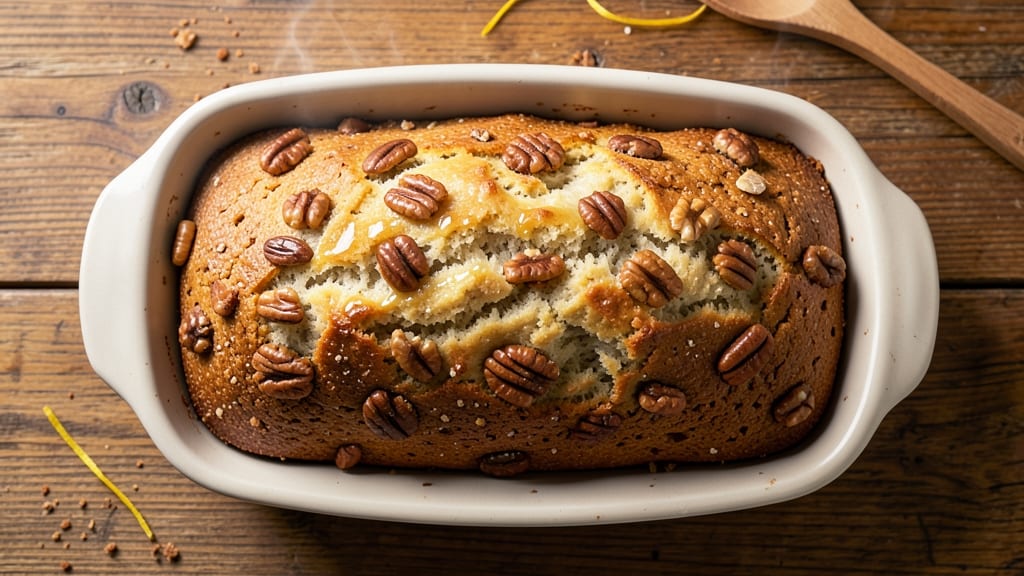
This almond flour nut bread delivers a crusty crown and moist, nutty crumb that rivals traditional breads—without the gluten. I developed this recipe after years of perfecting gluten-free baking, and the secret lies in balancing almond flour's natural density with a simple leavening system that creates airy pockets.
The result is a loaf with a satisfying crunch on the outside and tender, buttery richness inside, all infused with warm nutty flavors.
The beauty of this recipe is its versatility—it works as a vegetarian side dish, sandwich bread, or even as a base for French toast. Almond flour provides natural sweetness and a rich texture, while a touch of honey and eggs binds everything together.
Unlike many gluten-free breads, this one doesn’t require special ingredients or expensive equipment—just a few pantry staples and patience for the dough to develop its structure.
What sets this nut bread apart is how it bakes up with a golden, crackly crust that gives way to a soft, slightly chewy interior. The nutty aroma fills your kitchen as it bakes, promising a loaf that’s both elegant and comforting.
Perfect for pairing with soups, using for toast, or serving alongside roasted meats, this bread proves gluten-free baking can be just as satisfying as traditional recipes.
For an extra touch, brush the crust with melted butter before baking or sprinkle with coarse sugar for a subtle sweetness. The possibilities for customization are endless, but the foundation remains simple: a foolproof method that delivers restaurant-quality results at home. Let’s get started on creating your perfect loaf.
Ingredients for almond flour nut bread
Balanced almond flour and traditional leavening create a gluten-free loaf with restaurant-quality texture and flavor.
| Ingredient | Amount | Notes |
|---|---|---|
| Almond Flour 🌰 | 3 cups | Finely ground, blanched preferred |
| Granulated Sugar 🍚 | ½ cup | Organic preferred for purity |
| Honey 🍯 | ¼ cup | Raw or wildflower preferred |
| Large Eggs 🥚 | 4 whole | Room temperature for even mixing |
| Unsalted Butter 🧈 | ½ cup | Cold, cubed for proper creaming |
| Plain Yogurt 🍶 | ½ cup | Full-fat for optimal moisture |
| Baking Powder 🧂 | 1 tbsp | Aluminum-free for gluten-free |
| Salt 🧂 | ½ tsp | Fine sea salt preferred |
| Vanilla Extract 🌿 | 1 tsp | Pure Madagascar preferred |
| Warm Water 💧 | ¼ cup | 110°F for proper activation |
| Active Dry Yeast 🍞 | 2 tsps | Fresh, not instant |
| Coarse Sugar 🍚 | 2 tbsp | For crust decoration |
| Milk 🥛 | ¼ cup | Whole milk for richness |
The almond flour is the heart of this recipe, so choose high-quality, finely ground—any lumps will disrupt the crumb. Bob's Red Mill or Anthony's Goods are my go-tos, but check the label for 100% almond content. The yeast requires warm water (110°F)—too hot kills it, too cold slows activation. For the butter, European-style has higher fat content, which improves the crust. If you're using a stand mixer, the dough will be dense but develop structure as it rests. The eggs should be at room temperature to emulsify properly with the almond flour.
No almond flour? Hazelnut flour works at a 1:1 ratio, though the flavor will shift slightly. Substituting honey with maple syrup requires reducing other liquids by 1 tbsp to maintain moisture balance. For a dairy-free option, replace the yogurt with coconut yogurt and the milk with unsweetened almond milk. The baking powder is critical—Diamond Crystal measures differently than other brands, so if substituting, use 1.5 tsp instead of 1 tbsp. The vanilla extract should be pure; imitation will lack depth. If your kitchen is cold, let the dough rise in a warm oven with the light on for consistent proofing.
The dough benefits from a 2-hour rise at room temperature before baking, which develops flavor and structure. Store leftovers in an airtight container for 3 days or freeze for 3 months—wrap tightly in plastic to prevent drying. For reheating, wrap slices in foil and warm in a 350°F oven for 5-7 minutes. The crust stays crisp for 24 hours if kept sealed. To revive stale bread, sprinkle with water and toast until crispy. This loaf freezes beautifully—slice before freezing for easy portions.
Why You'll Love This Recipe
- No Mixer Needed: I swear by this—just fold the almond flour, melted butter, and eggs together until it’s almost combined. The dough’s thick but forgiving, and no one will guess it took zero effort. (Honestly, my lazy Sundays thank me.)
- Sweet Without Overpowering: That honey-butter swirl? It’s the star. The almond flour keeps it moist but not heavy, while the sugar caramelizes just enough to give every slice a subtle crunch. Not too rich, not too light—just right.
- Breakfast or Snack Hero: Toast it for crunchy French toast, slice it for a no-fuss dessert, or pack it for lunch. My kids grab it straight from the fridge, and my husband sneaks extra when he thinks I’m not looking. (Between us, it’s the best bread for hiding in your bag.)
- Lasts a Week: Almond flour’s magic doesn’t stop at flavor—this bread stays fresh for days, no weird aftertaste. I make two loaves on Sunday, and by Wednesday, it’s still the first thing out of the oven. (Yes, even on a Tuesday night.)
Step-by-step instructions for almond flour nut bread
Master this technique and you'll achieve a perfectly balanced loaf with a crisp exterior and tender, moist interior.
Activate the Yeast for Proper Rise
In a small bowl, combine the 0.25 cup warm water (about 110°F) with the 2 tsps active dry yeast and let sit for 5-10 minutes until frothy. The yeast should transform from dormant granules into a bubbly foam—this confirms it's alive and ready to work. If it doesn't activate, your bread will be dense rather than light.
While waiting, measure out the 0.5 cup granulated sugar and 0.25 cup honey into a separate bowl. These sweet ingredients will feed the yeast during fermentation, enhancing both flavor and rise. The honey also adds moisture that's especially important in almond flour-based recipes.
Cream Butter and Sweeteners for Light Texture
In a stand mixer fitted with the paddle attachment, beat the 0.5 cup cold unsalted butter (cubed) with the 0.5 cup granulated sugar and 0.25 cup honey on medium speed for 3-4 minutes. You're looking for a light, fluffy texture that nearly doubles in volume—the butter should be pale and airy, with no visible graininess. This creaming process incorporates air that will create the bread's tender crumb.
I press down on the mixture occasionally to ensure even incorporation. The cold butter creates small air pockets that expand during baking, preventing a dense final product. If your mixture looks too thick, it's okay—we'll add the milk and yogurt next to help emulsify everything.
Combine Wet Ingredients for Proper Hydration
Add the 4 whole large eggs (room temperature) one at a time, mixing on low speed after each addition until fully incorporated. Then add the 0.5 cup plain yogurt, 0.25 cup milk, and the yeast mixture. Mix on low speed for another 1-2 minutes until just combined—you should see a smooth, thick batter with no visible streaks of flour.
Here's the thing—almond flour absorbs moisture differently than wheat flour. The combination of yogurt and milk provides the perfect hydration balance. If the batter looks too thick, add 1 tablespoon warm water at a time until it reaches a thick but pourable consistency. The mixture should coat the back of a spoon but still flow slowly.
Fold in Dry Ingredients Gently
In a separate bowl, whisk together the 3 cups almond flour, 1 tbsp baking powder, and 0.5 tsp salt. Sift the mixture directly into the wet ingredients and gently fold together using a silicone spatula. Be careful not to overmix—just combine until no dry spots remain. Overmixing develops gluten, which we want to minimize in this recipe.
Add the 1 tsp vanilla extract and mix until just incorporated. The batter will be thick and sticky, similar to cookie dough. This is normal—almond flour has a higher fat content than wheat flour, which affects the texture. If you're concerned about stickiness, wet your spatula between folds to prevent the batter from clinging.
Shape and Proof for Optimal Rise
Transfer the batter to a greased 9x5-inch loaf pan and spread it evenly. Sprinkle the 2 tbsp coarse sugar evenly over the top for that classic bread decoration. Cover the pan with a damp kitchen towel and let rise in a warm place for 1-2 hours until the batter has risen about 50% and springs back slowly when gently pressed.
I use my oven's light feature to create a warm proofing environment. If your kitchen is cold, place the pan near a slightly warm oven (with the oven off) for even better results. The proofing stage is crucial—it develops the bread's texture and flavor. Don't rush this step; proper proofing ensures that crispy crust we're aiming for.
Bake to Golden Perfection
Preheat your oven to 350°F while the bread proofs. Once the oven reaches temperature and the bread has risen sufficiently, bake for 40-45 minutes until the top is deep golden brown and a toothpick inserted into the center comes out clean. The bread should smell nutty and sweet when done.
For that perfect crust, I like to place a small bowl of water on the lower oven rack during the first 15 minutes of baking. This creates steam that helps develop the bread's crust while keeping the interior moist. If the top browns too quickly, tent loosely with foil after 20 minutes to prevent over-browning.
Cool and Slice for Maximum Moisture
Remove the bread from the oven and let it cool in the pan for 10 minutes. Then transfer it to a wire rack to cool completely. This resting period allows the bread to set properly and prevents a gummy texture when slicing. I know it's tempting to cut into warm bread, but patience here ensures clean slices and better flavor development.
Once completely cool, slice with a sharp serrated knife. Each slice should reveal a tender, moist crumb with a crisp exterior. The almond flour gives the bread a delicate, slightly sweet flavor that pairs beautifully with butter or jam. Store any leftovers in an airtight container at room temperature for up to 3 days or freeze for longer storage.
Pro Tips For Making Almond Flour Nut Bread
- Preheat Like It’s Hot: Almond flour bread needs a screaming oven—425°F (220°C) isn’t just a suggestion. I learned this after my first batch came out dense and underbaked; the butter and eggs need that heat to emulsify properly from the start. Don’t skimp, even if it smells like a bakery’s taking over your kitchen.
- Whisk Eggs Until Ribbon-Thin: Beat those eggs for a solid 30 seconds past when they look done. You want a thick, glossy ribbon to trail when you lift the whisk—this ensures your bread rises properly and doesn’t collapse. I used to eyeball it and ended up with a sad, flat loaf every time.
- Butter Matters—Use Cold: Pull that butter straight from the fridge and cut it into chunks. Cold butter creates pockets of steam during baking, which makes the crumb lighter. I was skeptical until I tried it—I now keep a block of butter in the freezer just for this recipe.
- Skip the Overmixing: Once you fold in the almond flour, stop. Overmixing develops gluten, and almond flour bread relies on structure, not stretch. Just combine until just combined—lumpy is fine, dense is not. I ruined two batches before I accepted the bread’s texture is supposed to look like it was mixed by a sleepwalker.
Creative variations of this dish
Sweet & Spiced Twist
Add 1 tsp cinnamon and ½ tsp cardamom to the dry ingredients for a warm, aromatic variation. I like to boost the sweetness with an extra 2 tbsp honey> and top with chopped walnuts or pecans> before baking.
This version tastes amazing with chai tea or as a base for cinnamon toast. 🌶️
Savory Herb Version
Swap the honey for 2 tbsp olive oil> and add 2 tbsp fresh rosemary>, 1 tbsp thyme>, and ½ tsp garlic powder> to the dough.
Brush the crust with melted butter after baking for a fragrant, herbaceous loaf perfect for serving with soups or charcuterie boards. The almond flour's natural richness pairs beautifully with these herbs.
Chocolate-Dipped Luxury
For a decadent treat, melt ½ cup dark chocolate> (70% cocoa) and drizzle it over the cooled loaf. Let it set for 10 minutes> before slicing. I recommend Ghirardelli 70% Cacao> for its smooth texture.
This version works as an elegant dessert or breakfast bread with whipped cream. The chocolate complements the nutty depth perfectly. 🍫
Seed-Enhanced Crunch
Mix ¼ cup pumpkin seeds> and ¼ cup sunflower seeds> into the batter for added texture. Toast the seeds in a dry pan for 3-4 minutes> until fragrant before mixing.
This variation adds a satisfying crunch to every bite while keeping the bread's signature moist crumb. It's a great way to boost nutrition without sacrificing flavor. 🌿
Citrus Zest Brightener
Zest 1 lemon> or 1 orange> and add it to the wet ingredients for a refreshing citrus note. The acidity balances the richness of the almond flour beautifully. I like to pair this version with herbed goat cheese or as a base for citrus-infused jam.
The zest also helps preserve freshness for up to 5 days> when stored properly. 🍊
Everything Bagel Style
Sprinkle 1 tbsp everything bagel seasoning> (or a mix of sesame seeds, poppy seeds, garlic powder, and onion powder>) on top before baking. Brush the crust with melted butter after baking for that classic bagel flavor.
This version works perfectly as toast or as a side for breakfast sandwiches. The seasoning adds a savory contrast to the sweet almond flavor. 🥯
Nutrition facts
Frequently asked questions
Why does almond flour bread need more eggs than wheat bread?
Almond flour lacks gluten's structural proteins, so eggs provide the binding and moisture needed to hold the loaf together. The 4 eggs in this recipe create a tender crumb while compensating for almond flour's density. Too few eggs can result in a crumbly texture, while too many may make the bread overly dense.
Can I make this nut bread without yeast?
Yes! Replace the yeast with 1.5 tsp baking powder and 1 tsp baking soda for a quick bread version. The texture will be denser but still moist, with a slightly sweeter profile. Bake at 350°F for 35-40 minutes until golden. This version works well for sandwiches or toast.
How do I prevent my almond flour bread from cracking?
Cracking happens when the crust forms too quickly. To prevent it:
- Don't overproof the dough (rise until just 50% larger),
- Place a bowl of water on the oven rack for the first 15 minutes of baking to create steam, and
- Avoid opening the oven door during baking. A light brush of melted butter after baking can also help seal the crust.
What's the best way to store leftovers?
Wrap individual slices in plastic wrap and store in an airtight container at room temperature for 3 days. For longer storage, freeze the whole loaf (unsliced) for up to 3 months. To revive, toast slices in a 350°F oven for 5-7 minutes or reheat in a toaster oven until crispy. The crust stays fresh longer than the crumb!
Can I substitute other nut flours?
Yes! Try hazelnut or walnut flour at a 1:1 ratio, though the flavor will shift. Macadamia nut flour works too but has a higher fat content, which may make the bread slightly denser. For best results, stick with almond flour for the signature nutty flavor and texture balance.