
Side Dishes
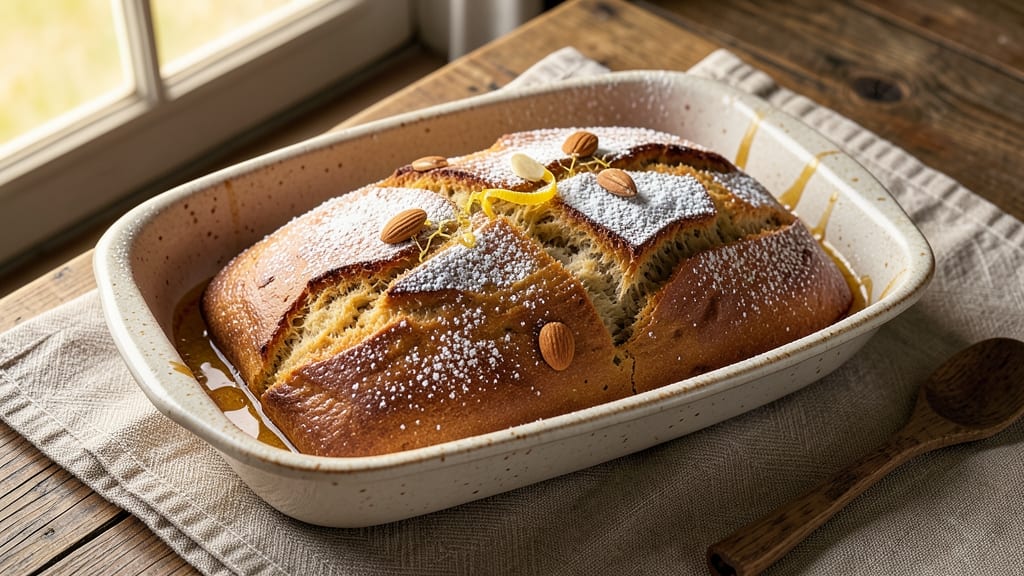
This amaretto bread recipe transforms a classic loaf into a luxurious dessert-worthy treat with its signature nutty swirl and golden crust. The secret lies in infusing warm amaretto liqueur into the dough, creating layers of almond flavor that pair perfectly with the buttery richness.
I developed this version after years of baking, balancing sweetness and texture to achieve that ideal tender crumb with a crisp exterior.
The process begins with a simple yeast dough enriched with butter and sugar, then folded with a homemade amaretto-almond filling. This filling—made with ground almonds, amaretto, and a touch of marzipan—creates those signature swirls that make this bread irresistible.
The dough rests twice for maximum flavor development, ensuring every bite delivers that perfect balance of nutty, boozy, and buttery notes.
By the time it emerges from the oven, you'll have a loaf with a golden, buttery crust and a tender interior speckled with almond swirls.
The aroma alone will have everyone gathering around your kitchen, and each slice—whether served warm with butter or at room temperature with coffee—will taste like a little piece of Italian bakery magic. This is the kind of bread that disappears quickly, so be prepared to bake another batch.
Perfect for breakfast, dessert, or even as a sophisticated snack with cheese, this amaretto bread proves that homemade can rival the best bakery creations. The recipe delivers restaurant-quality results with minimal effort, making it ideal for both beginners and experienced bakers looking to impress.
Let's get started on this flavorful journey!
Ingredients for amaretto bread
These luxurious ingredients craft a buttery, boozy bread with almond swirls that rivals bakery magic.
| Ingredient | Amount | Notes |
|---|---|---|
| Active Dry Yeast 🍞 | 2 ¼ tsp | 1 packet or 7g |
| Warm Whole Milk 🥛 | 1 ¼ cups | 110°F (43°C) for activation |
| Granulated Sugar 🍚 | ¼ cup | For yeast activation |
| Unsalted Butter 🧈 | ½ cup | Cold, cubed (8 tbsp) |
| Large Eggs 🥚 | 2 whole | Room temperature |
| All-Purpose Flour 🌾 | 4 ½ cups | Plus extra for dusting |
| Diamond Crystal Kosher Salt 🧂 | 1 ½ tsp | Adjust to taste |
| Ground Almonds 🌰 | 1 ½ cups | Finely ground (like flour) |
| Amaretto Liqueur 🍷 | ½ cup | High-quality, 28% ABV |
| Marzipan 🍫 | ½ cup | Store-bought or homemade |
| Powdered Sugar 🍚 | ¼ cup | For filling and sprinkling |
| Egg Wash 🥚 | 1 whole | 1 egg beaten with 1 tbsp milk |
| Coarse Sugar 🍚 | ¼ cup | For topping (like turbinado) |
The amaretto liqueur is non-negotiable—Disaronno or Galliano deliver the best almond depth. Grab a high-quality bottle from a liquor store or specialty market; the cheap stuff tastes like artificial cherry. For the almonds, blend your own from whole almonds in a food processor for that fresh, nutty punch. Trader Joe's sells pre-ground almonds, but they lack the texture of freshly ground. The marzipan? Joy of Kitchens brand is my go-to for consistency, but any good-quality store-bought works. Keep your butter cold—it should be firm enough to hold its shape when cubed, or the dough will get too soft.
No amaretto? Almond extract plus a splash of vanilla extract mimics the flavor, though it won’t have the same boozy warmth. Short on marzipan? Blend almonds with powdered sugar and a touch of almond extract—it’s a game-changer. The yeast needs to be fresh—if it’s past its expiration, toss it. For the flour, King Arthur or Gold Medal brands yield the best texture. The coarse sugar topping? Turbinado or demerara gives that gorgeous caramelized crust, but regular sugar works in a pinch. Pro tip: measure your flour by weight if you have a kitchen scale—it’s far more accurate than volume measurements.
Store the dough in an airtight container with a damp towel on top for up to 24 hours in the fridge—this actually enhances the flavor. Once baked, let the bread cool completely on a wire rack before slicing, or it’ll turn gummy. Room temperature is ideal for serving, but if you must reheat, wrap a slice in foil and warm in a 350°F oven for 5 minutes. This bread freezes beautifully—slice it first, then wrap tightly in plastic and freeze for up to 3 months. Thaw at room temperature before serving, or warm slices straight from frozen for a cozy treat.
Why You'll Love This Recipe
- No-Knead Magic: I swear by this dough—just toss in the yeast, warm milk, and butter, then let it rise while I handle dinner. No stand mixer, no stress, just hands-off perfection.
- Amaretto Kicks Things Up: That splash of amaretto in the dough? It’s like a warm hug of almond and vanilla—rich but not overpowering, especially when paired with the buttery crust. Honestly, the first slice changes my mind about store-bought bread forever.
- Weeknight & Weekend Star: Make a loaf on Sunday, and it’ll still be fresh by Thursday. Toast it for breakfast, pack it for lunches, or serve it with dinner—it’s my go-to for lazy mornings and last-minute gatherings.
- Budget-Friendly Luxury: Whole milk, eggs, and butter sound fancy, but they stretch further than you’d think. A single batch feeds my family for days, and the cost? A fraction of what I’d spend on artisanal loaves. Plus, the leftovers taste even better the next day.
Step-by-step instructions for amaretto bread
Here's how to create a rich, nutty loaf with a buttery crust and swirls of marzipan and almond.
Activate the Yeast and Mix the Dough
In a large bowl, combine the 1.25 cups warm whole milk and 0.25 cup granulated sugar. Sprinkle the 2.25 tsp active dry yeast over the surface and let it sit for 5-10 minutes until it becomes frothy. This activation step ensures your dough rises properly—if it doesn't bubble, your yeast might be dead, and you'll need to start over.
Once the yeast is active, add the 0.5 cup cold unsalted butter, 2 whole large eggs, 4.5 cups all-purpose flour, and 1.5 tsp diamond crystal kosher salt. Mix with a dough hook on medium speed for 5 minutes until the dough comes together. The dough should be slightly sticky but not wet—if it's too sticky, add 1-2 tablespoons more flour. Knead for another 5 minutes until smooth and elastic. This thorough kneading develops gluten, which gives your bread structure and chew.
Incorporate the Almonds and First Rise
Remove the dough from the mixer and turn it onto a lightly floured surface. Gently press the dough into a rectangle about 12x8 inches and sprinkle 1.5 cups ground almonds evenly over the surface. Roll the dough up tightly like a jelly roll, sealing the edges well. This creates beautiful almond swirls throughout the loaf.
Place the dough seam-side down in a lightly greased 9x5-inch loaf pan. Cover with a damp towel and let it rise in a warm place for 1-1.5 hours, or until it has nearly doubled in size. The dough should feel light and springy when pressed gently—this confirms it's ready for shaping. If it rises too quickly, it might collapse later, so keep an eye on it.
Prepare the Filling and Shape the Loaf
In a small bowl, mix the 0.5 cup amaretto liqueur, 0.5 cup marzipan, and 0.25 cup powdered sugar until smooth. This filling adds a rich, nutty depth to the bread. Roll the risen dough out again on a floured surface into a 12x8-inch rectangle, about ½-inch thick. Spread the amaretto mixture evenly over the dough, leaving a ½-inch border around the edges.
Roll the dough back up tightly, sealing the edges as before. Transfer it to a parchment-lined baking sheet and cover with a damp towel. Let it rise again for 30-45 minutes until it has puffed slightly. The second rise ensures the filling stays in place and the bread develops a light texture. Preheat your oven to 375°F during this time—you want it hot and ready for baking.
Bake to Golden Perfection
Brush the loaf generously with the 1 whole egg wash (1 egg beaten with 1 tablespoon milk) for a glossy, golden crust. Sprinkle the top evenly with 0.25 cup coarse sugar for a sweet, crunchy finish. Bake in the preheated oven for 35-40 minutes, until the top is deep golden brown and the internal temperature reaches 190°F. The bread is done when it sounds hollow when tapped on the bottom.
Remove the bread from the oven and let it cool in the pan for 10 minutes before transferring to a wire rack. This resting period prevents the loaf from collapsing as it cools. Slice it warm for the best texture—each bite should be tender with pockets of almond-infused dough and sweet marzipan filling. Serve with a pat of butter or a cup of coffee for the ultimate indulgence.
Pro Tips For Making Amaretto Bread
- Bloom the Yeast First: Skip mixing yeast directly into flour—it’s the fastest way to ruin your bread. Instead, whisk warm milk (110°F, not hot) with yeast and a pinch of sugar, then wait 5-10 minutes until it froths like a tiny beer. This guarantees your dough rises right the first time, even if your kitchen’s drafty or you’re impatient like me.
- Use Room-Temp Butter: Cold butter = tough bread. Let that unsalted stick sit out for 30-45 minutes until it’s soft enough to press with a finger but not greasy. This ensures even distribution in the dough, so every bite has that buttery-amaretto richness without fighting for texture.
- Don’t Overmix the Dough: After kneading by hand or mixer, the dough should spring back slowly when poked—not bounce like a trampoline. Overworking it develops gluten too much, making the bread dense. I learned this the hard way after a batch turned out like a brick (yes, I ate it anyway).
- Proof in a Warm Spot: Your oven’s light-on setting (with a bowl of hot water inside) is your best friend. Cold counters slow yeast, and rushing the proof leads to flat, sad bread. Give it 1-2 hours until the dough nearly doubles—double-check by pressing a finger in; if it leaves a slow but clear indent, it’s ready.
Best sauces and condiments for this dish
Amaretto Glaze
Elevate your bread with a simple amaretto glaze—mix ¼ cup powdered sugar with 1 tbsp amaretto liqueur and 1 tsp almond extract. Brush this over warm slices for a glossy, aromatic finish.
The glaze caramelizes slightly when heated, adding a subtle crunch that contrasts beautifully with the soft interior. This is my go-to trick for restaurant-quality presentation without extra effort. 💛
Honey-Butter Spread
Pair your amaretto bread with a honey-butter spread—mix ½ cup softened butter with 2 tbsp honey and a pinch of flaky sea salt. Warm the mixture gently until creamy, then spread generously on toasted slices.
The honey enhances the bread's nutty notes while cutting through the richness. I love using local raw honey for extra depth of flavor—just be sure to warm it gently to avoid crystallization. ✨
Dark Chocolate Ganache
For a decadent twist, drizzle dark chocolate ganache over sliced bread. Melt ½ cup dark chocolate chips (70% cocoa) with ¼ cup heavy cream and 1 tsp amaretto liqueur—the liqueur ties the flavors together beautifully.
Let it cool slightly before drizzling for an elegant, semi-sweet contrast. This works especially well with the marzipan filling for a luxurious dessert experience. 🍫
Caramelized Almond Cream
Create a caramelized almond cream by melting ¼ cup unsalted butter with ½ cup brown sugar in a saucepan until bubbly. Stir in ½ cup chopped toasted almonds and 1 tsp vanilla extract.
Spread this warm mixture on slices for a buttery, crunchy-sweet topping. The caramelized sugar adds a sophisticated depth that complements the amaretto's nutty profile. 🌰
Lemon Curd Swirl
Add a bright contrast with lemon curd swirls—whisk ½ cup lemon curd with 1 tbsp amaretto liqueur and spread thinly between slices. The tangy citrus cuts through the richness, balancing the sweetness.
For extra flair, top with a sprinkle of powdered sugar or toasted almond slivers. This pairing is perfect for breakfast or afternoon tea. 🍋
Espresso Cream Cheese
For coffee lovers, blend 8 oz cream cheese with 1 tbsp espresso powder and 1 tsp amaretto liqueur. Spread on toasted bread and broil for 2-3 minutes until lightly golden.
The espresso enhances the bread's nutty notes while adding a mocha-like richness. Serve with a shot of espresso for the ultimate indulgence. ☕
Nutrition facts
Frequently asked questions
Can I make this amaretto bread without marzipan?
Replace the marzipan with a homemade almond paste by blending ½ cup ground almonds with ¼ cup powdered sugar and 1 tsp almond extract. This keeps the nutty flavor while saving money. For extra richness, add 1 tbsp melted butter to the mixture. The texture will be slightly denser but still delicious.
How do I store leftover amaretto bread?
Wrap cooled slices tightly in plastic wrap or aluminum foil and store at room temperature for 2-3 days. For longer storage, freeze slices in an airtight container for up to 3 months. Thaw at room temperature or warm in a 350°F oven for 5 minutes to restore freshness. The bread tastes best at room temperature, so avoid refrigerating.
Why did my bread turn out dense instead of light?
Dense bread usually means the yeast didn't activate properly or the dough wasn't kneaded enough. Double-check that your yeast was fresh and your milk was 110°F (43°C)—too hot kills yeast, too cold prevents activation. Also ensure you kneaded for the full 10 minutes to develop gluten. If using store-bought yeast, check the expiration date.
Can I substitute amaretto liqueur with something else?
Yes! For a similar flavor, mix ¼ cup almond extract with 2 tbsp vanilla extract and 1 tbsp brandy. This combination mimics the almond depth and slight booziness. If avoiding alcohol entirely, use ½ cup almond syrup (like Torani) plus 1 tsp vanilla extract. The bread will still have nutty notes but without the boozy kick.
How do I make this bread without a stand mixer?
No problem! Mix the dough by hand in a large bowl, then turn it onto a floured surface and knead for 10-12 minutes until smooth and elastic. Use the "punch and fold" method: press the dough down, then fold it over itself and turn the bowl a quarter turn. Repeat until the dough is stretchy and springs back when poked. Patience is key—this builds the same gluten structure as a mixer.