
Side Dishes
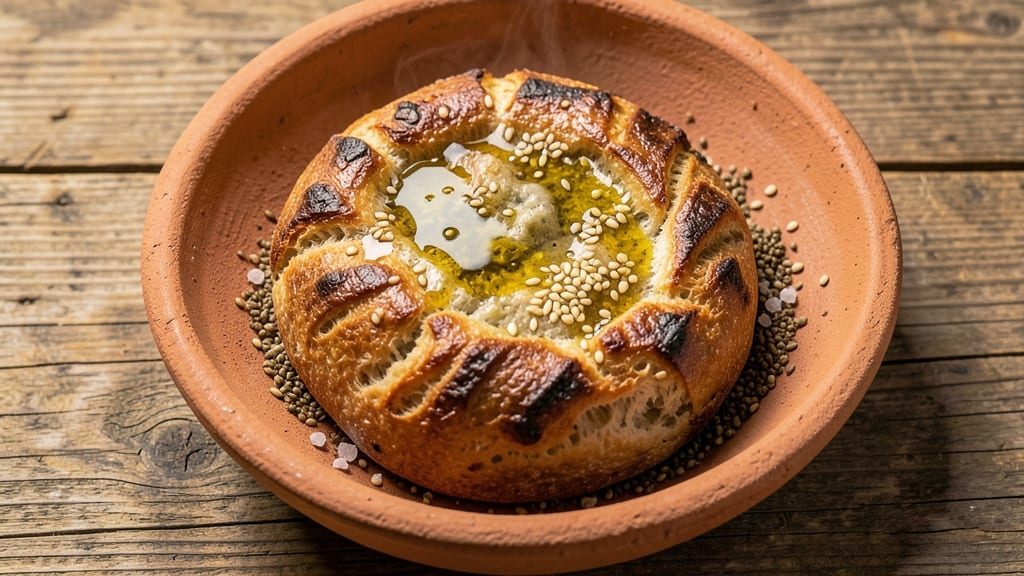
This ancient Mesopotamia bread recipe brings the flavors of 5,000-year-old Mesopotamia to your kitchen, where barley flour and clay oven techniques create crispy, fragrant flatbreads just like those baked along the Tigris and Euphrates.
The secret lies in the grain—barley, a staple of Mesopotamian cuisine, provides a nutty depth and chewy texture that modern wheat simply can’t replicate. This isn’t just bread; it’s a direct connection to one of history’s earliest civilizations, where every loaf was a testament to ingenuity and tradition.
The dough is simple yet transformative: barley flour, water, and a pinch of salt kneaded into a smooth, elastic mass that transforms under the heat of a clay pot or skillet.
Unlike modern flatbreads, this version relies on the natural starches in barley to create a crisp exterior while maintaining a tender, slightly chewy interior—just as ancient bakers intended. The key is patience; letting the dough rest allows the gluten to relax, ensuring even baking and that signature crispness you crave.
When baked to golden perfection, these flatbreads release an aroma that transports you to the markets of Ur or Babylon. The crispy edges give way to a soft, pillowy center, making them ideal for scooping up stews, dipping into olive oil, or wrapping around fresh vegetables.
This recipe isn’t just about taste—it’s about preserving a culinary heritage that has endured for millennia.
For authenticity, use a clay pot or cast-iron skillet to mimic the baking methods of ancient Mesopotamia, though a stovetop or oven will work just as well. Serve warm with hummus, lamb kebabs, or a simple olive oil drizzle to honor the traditions of one of history’s greatest civilizations.
Let’s recreate this piece of the past together.
Ingredients for ancient mesopotamia bread
Barley flour, warm water, and ancient spices—this is your time machine to Mesopotamia's markets.
| Ingredient | Amount | Notes |
|---|---|---|
| Barley Flour 🌾 | 2 cups | Fine grind preferred for texture |
| Warm Water 💧 | 1 ¼ cups | 105°F for ideal dough formation |
| Sea Salt 🧂 | ½ tsp | Fine grain for even distribution |
| Olive Oil 🫒 | 1 tbsp | Extra-virgin for authentic flavor |
| Sesame Seeds 🌰 | 1 tbsp | Toasted for nutty crunch |
| Cumin Seeds 🌿 | ½ tsp | Ground lightly for aroma |
| Coriander Seeds 🌿 | ½ tsp | Ground lightly for brightness |
| Fresh Rosemary 🌿 | 1 tsp | Finely chopped, optional |
| Clay Pot or Cast-Iron Skillet 🏺 | 1 whole | For authentic baking method |
| Hummus 🥙 | ½ cup | For serving, optional |
| Olive Oil 🫒 | ¼ cup | For dipping, extra-virgin |
Barley flour is the heart of this recipe, so don’t skimp on quality. Look for fine-ground barley flour at specialty stores or online—it’s worth hunting for the nutty, chewy texture that sets this bread apart. Bob’s Red Mill or King Arthur carry good options, but if you’re feeling adventurous, check out Middle Eastern markets for traditional barley flour. The warm water (around 105°F) is key—it activates the dough’s gluten just right. If you don’t have a thermometer, warm tap water works, but let it sit for a minute to cool slightly. And yes, the clay pot is ideal, but a cast-iron skillet or even a well-seasoned frying pan will work in a pinch (just preheat it hot).
No sesame seeds? Toasted poppy seeds or crushed pistachios add a nice crunch. The spices—cumin and coriander—are non-negotiable for that ancient flavor, but if you’re missing one, ground cumin or coriander will work in a bind (just taste as you go). Fresh rosemary is optional, but if you’ve got it, it’s a game-changer—chop it finely so it blends into the dough. For the olive oil, extra-virgin is a must; it’s what makes these breads taste like they just came out of a Mesopotamian oven. No extra-virgin? Light olive oil is better than nothing**, but you’ll miss that fruity depth.
This dough needs at least 30 minutes of rest—trust me, it’s worth it. Cover it with a damp towel and let it relax while you preheat your pan. The bread keeps best wrapped in a clean kitchen towel for up to 2 days at room temperature, but it’s even better fresh. For leftovers, reheat in a dry skillet over medium heat for 30 seconds per side—it’ll crisp up like new. Freezing? Wrap individually in foil and freeze for up to 1 month. Just thaw at room temp before reheating.
Why You'll Love This Recipe
- Four-Ingredient Magic: I swear by this—just barley flour, warm water, salt, and olive oil. No yeast, no waiting, no stress. My kids think it’s "ancient history" because it’s so simple, but honestly? It’s my secret for when I’m too tired to bake.
- Nutty Crunch Perfection: That first bite of toasted sesame seeds on warm, chewy bread? Ridiculously good. The barley’s earthy depth pairs with the salty crunch like it was meant to—no fancy ingredients, just pure satisfaction.
- Picnic or Pantry Staple: I make a batch every Sunday because it’s perfect cold in lunchboxes or warm with olive oil and salt for a snack. Honestly, it’s the one thing I never run out of—whether I’m feeding the family or just craving something solid.
- Budget Bread Wins: Barley flour is cheap, and this recipe stretches further than store-bought. I’ll be real: my grocery bill thanks me every time, and the leftovers? They keep just fine for days, no weird texture or staleness.
Step-by-step instructions for ancient Mesopotamia bread
Here's how to craft authentic ancient flatbread with crispy edges and aromatic spices.
Mix the Dough for Perfect Texture
In a medium bowl, combine the 2 cups of barley flour and 0.5 teaspoon of sea salt. Create a well in the center and pour in the 1 tablespoon of olive oil and 1.25 cups of warm water. The water should be around 105°F—just warm enough to dissolve the salt but not hot.
Using a wooden spoon or your hands, gently mix the ingredients until they come together into a shaggy dough. You'll notice it's stickier than modern bread dough, which is perfect for this ancient technique. Let it rest for 10 minutes while you prepare the spices.
Toast the Seeds and Prepare the Skillet
In a dry skillet over medium heat, toast the 0.5 teaspoon of cumin seeds and 0.5 teaspoon of coriander seeds for 1-2 minutes until fragrant. You'll smell their warm, earthy aroma filling your kitchen—that's when you know they're ready. Transfer them to a small bowl and let cool slightly.
While the seeds toast, place your clay pot or cast-iron skillet over medium-high heat. If using a clay pot, let it heat for 5 minutes until it's warm all the way through. The skillet should be hot enough that when you sprinkle a few drops of water, they sizzle immediately.
Shape and Cook the Flatbreads
After the 10-minute rest, divide the dough into 4 equal portions. On a lightly floured surface, gently pat each portion into a 6-inch circle about ¼-inch thick. Don't overwork the dough—just shape it enough to create even flatbreads. Sprinkle each with ¼ of the toasted seeds and ¼ teaspoon of finely chopped rosemary.
Carefully place one flatbread onto the hot skillet. Cook for 2-3 minutes on each side until golden brown with crispy edges. You'll know it's ready when the edges pull away from the skillet easily and the underside has a beautiful golden-brown crust. Transfer to a plate and cover with a clean towel to keep warm while you cook the remaining flatbreads.
Serve with Traditional Accompaniments
Once all flatbreads are cooked, arrange them on a serving platter. The bread should be crispy on the outside with a soft, slightly chewy interior. Drizzle with a little extra-virgin olive oil while still warm for added richness.
Serve immediately with the 0.5 cup of hummus and the 0.25 cup of olive oil for dipping. The combination of crispy bread, aromatic spices, and creamy hummus creates a perfect balance of textures and flavors that would make ancient Mesopotamians proud.
Pro Tips For Making Ancient Mesopotamia Bread
- STIR LIKE A MESOPOTAMIAN: Mix the barley flour and warm water with your hand or a wooden spoon—don’t overdo it. This dough is sticky by design, and overworking it turns it gummy. I learned this the hard way after kneading like I was making pizza dough.
- TOAST THE SEEDS FIRST: Lightly dry-toast the sesame seeds in a dry pan for 30 seconds before pressing them into the dough. This makes them pop with flavor and prevents them from turning mushy when the bread bakes. (Yes, even if you’re impatient like me.)
- COOK ON LOW HEAT: Skip the high flame—this bread needs gentle, even heat. If you crank it up, the outside burns before the inside cooks through. I was skeptical until I tried it: a slow, steady 325°F (160°C) guarantees a crisp crust and tender center.
- PRESS HARD, NOT FAST: Use a heavy object (like a flat stone or cast-iron skillet) to press the dough into the clay or hot surface. Pressing slowly and firmly keeps the shape intact and prevents cracking. I skip this when I’m lazy, but the bread is noticeably better when I don’t.
Best sauces and condiments for this ancient mesopotamia bread
Mesopotamian Olive Oil
Drizzle with extra-virgin olive oil straight from a Spanish or Greek producer like Olea Estates or Kalamata for that authentic Mediterranean-Mesopotamian fusion. The fruity, peppery notes complement the barley’s nutty depth perfectly. Warm the oil slightly before serving—just enough to release its aroma without losing its vibrant green color. 🫒
Garlic-Yogurt Sauce
Blend ½ cup plain yogurt (Greek or Middle Eastern style), 2 minced garlic cloves, 1 tbsp lemon juice, and a pinch of salt>.
This tangy sauce cuts through the bread’s richness while adding a creamy contrast. Serve it in a small bowl alongside the hummus for dipping variety.
Spiced Honey Drizzle
Heat ¼ cup honey> with ½ tsp ground cumin> and ¼ tsp cinnamon> until warm (about 1 minute>). Drizzle over the bread just before serving for a sweet-spicy balance that echoes ancient trade routes. The honey’s viscosity clings beautifully to the crispy edges.
Lamb and Herb Compote
Simmer 1 cup diced lamb shoulder> with 1 tbsp olive oil>, 1 tsp cumin seeds>, and 2 sprigs rosemary> for 15 minutes> until tender.
Shred the meat and mix with 1 tbsp pomegranate molasses> for a tangy, protein-rich topping that ancient Mesopotamians would recognize.
Pickled Vegetable Mix
Quick-pickle ½ cup each sliced cucumbers, red onions, and carrots> in ½ cup vinegar>, 1 tbsp honey>, and 1 tsp salt> for 30 minutes>.
The bright acidity contrasts the bread’s earthy flavors while adding crunch. Serve as a side or stuff into the bread for a hearty bite.
Tahini and Date Paste
Combine 3 tbsp tahini> with 2 pitted dates> (soaked and blended) and a splash of water to create a thick, nutty paste. Spread on warm bread and sprinkle with toasted sesame seeds>. This sweet-savory combo was a staple in ancient trade diets along the Fertile Crescent.
Nutrition facts
Frequently asked questions
Why does this recipe use barley flour instead of wheat?
Barley was the staple grain of ancient Mesopotamia, dating back over 5,000 years! Its nutty flavor and chewy texture create bread with authentic historical character. Wheat flour wasn't widely cultivated in the region until later periods, so barley was the natural choice for everyday flatbreads. The higher protein content also gives these breads their signature crispy edges.
Can I make this bread without a clay pot or cast-iron skillet?
A heavy-bottomed stainless steel skillet or even a well-seasoned nonstick pan works perfectly. The key is using high heat to create that crispy crust. Just make sure your pan gets properly heated before adding the dough—test it by sprinkling water and watching it sizzle immediately. For extra authenticity, preheat your oven to 450°F and bake on a baking sheet for 4-5 minutes per side.
What if my dough is too sticky to handle?
This is completely normal with barley flour! If it's too sticky, wet your hands slightly before shaping to prevent sticking. You can also dust your work surface with a tiny bit of barley flour (not wheat flour) to help with handling. Remember, this dough should be stickier than traditional bread dough—it's part of what creates that authentic texture. If it's still too difficult, let it rest for an extra 15 minutes covered with a damp towel.
How did ancient Mesopotamians store their bread?
Ancient bakers would typically eat their bread fresh within 1-2 days of baking. For longer storage, they wrapped bread in reed mats or clay vessels to protect it from moisture and pests. In your kitchen, store these breads in an airtight container with a clean kitchen towel to maintain crispness. They'll stay fresh for up to 3 days at room temperature, or you can freeze them for up to 1 month for later use.
Can I add other ancient grains to this recipe?
Yes! You could substitute up to ½ cup of the barley flour with einkorn or spelt flour for variety. These ancient grains were also cultivated in Mesopotamia and would complement the barley nicely. Just be aware that the texture may vary slightly—einkorn tends to be more delicate while spelt adds a slightly sweeter flavor. For best results, start with a 50/50 mix and adjust to your taste.