
Side Dishes
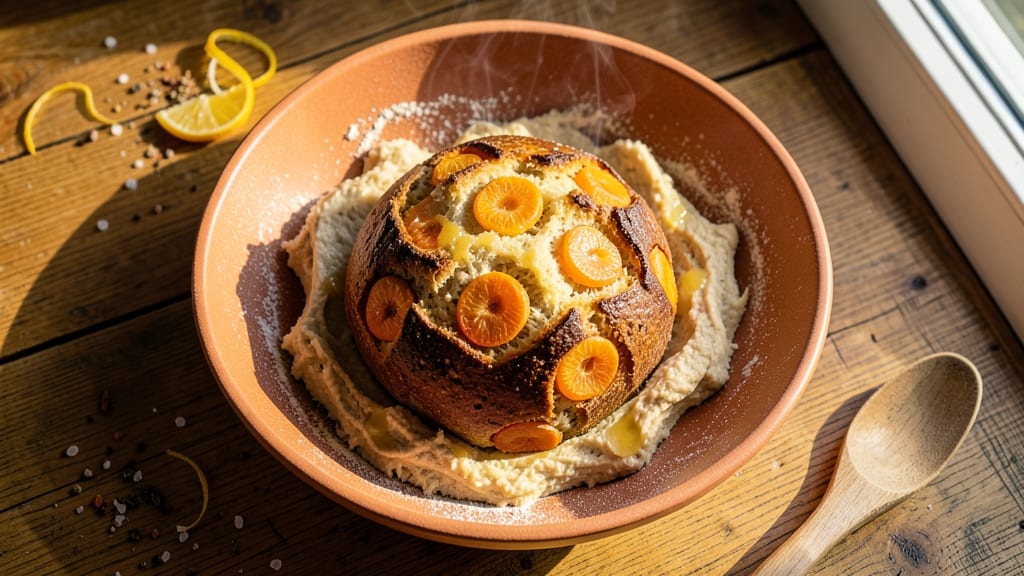
This apricot sourdough bread recipe transforms your kitchen into a bakery with its perfect balance of tangy sourdough and sweet-tart fruit swirls. The crust develops a satisfying crunch while the interior stays tender, creating a bread that's both rustic and refined.
I've perfected this recipe after years of testing, ensuring every batch delivers that ideal combination of textures and flavors.
The secret lies in the dough development and fruit preparation. Using a well-fed sourdough starter creates that signature tang, while the apricots—fresh or dried—add natural sweetness that complements the bread's complexity.
The recipe includes a simple technique for folding the fruit into the dough without overworking it, preserving those beautiful swirls that make this bread visually stunning.
What you'll end up with is a loaf with a golden, crispy crown and a tender crumb filled with pockets of jammy apricot. The aroma alone will have everyone gathering around your table, and each slice offers a perfect harmony of sweet and tangy flavors.
This bread is ideal for breakfast, sandwiches, or simply enjoyed with butter and jam.
With just a few simple ingredients and some patience, you'll create a loaf that rivals any artisanal bakery. The process may take a full day, but the results are worth every minute of waiting. Let's get started on this rewarding baking project that delivers restaurant-quality bread at home.
Ingredients for apricot sourdough bread
Start with a well-fed sourdough starter and fresh apricots for this artisanal bread's signature harmony.
| Ingredient | Amount | Notes |
|---|---|---|
| Active Sourdough Starter 🍞 | 1 cup | Well-fed, bubbly starter |
| All-Purpose Flour 🌾 | 5 cups | Plus 1 extra cup for dusting |
| Granulated Sugar 🍚 | ¼ cup | For fruit and dough balance |
| Unsalted Butter 🧈 | ½ cup | Cold, cubed for dough enrichment |
| Large Eggs 🥚 | 2 whole | Room temperature for even mixing |
| Warm Water 💧 | 1 ½ cups | 105°F-110°F for optimal hydration |
| Salt 🧂 | 1 ½ tsp | Diamond Crystal preferred |
| Fresh Apricots 🍑 | 1 ½ cups | Pitted, chopped into small pieces |
| Apricot Jam 🍯 | ¼ cup | For fruit swirl consistency |
| Cornmeal 🌽 | ¼ cup | For bread pan dusting |
| Coarse Sea Salt 🧂 | 1 tbsp | For final crust sprinkle |
The sourdough starter is non-negotiable here—it must be well-fed and bubbly with a 1:1:1 ratio (starter:flour:water) for 8-12 hours before using. For the best results, I recommend King Arthur or Caputo Tipo 00 flour—both develop that ideal gluten structure. The apricots should be fresh and slightly underripe (they soften during baking), but dried work in a pinch if you're in a hurry. Trader Joe's often carries perfect fresh apricots in summer, or look for organic at Whole Foods when they're in season. The jam acts as a binder for the fruit swirls, so choose a high-quality, seedless apricot jam—none of that thick, chunky stuff from the discount bin.
No fresh apricots? Dried apricots soaked in warm water for 20 minutes work beautifully, though they'll add more moisture to the dough. Swapping the jam for pureed fresh apricots gives a lighter texture, but you'll need to add an extra 0.5 tsp of xanthan gum to prevent sticking. The butter should be cold and cubed—don't let it soften before mixing, or you'll end up with a gummy dough. For the sugar, light brown sugar adds subtle caramel notes, but granulated keeps the bread's color brighter. If you're baking at high altitude, reduce the water by 0.25 cup and increase the flour by 0.5 cup to compensate for the drier environment.
This dough needs time to develop—plan for at least 8 hours of cold fermentation in the fridge. The longer it ferments, the more complex the flavor becomes, but no more than 24 hours or the apricots will over-soften. For storage, wrap the unbaked dough tightly in plastic and keep it in the fridge for up to 3 days. The baked loaf stays fresh for 3-4 days at room temperature, but for longer storage, slice and freeze the bread—toast straight from frozen for best results. The crust will crisp up beautifully during reheating.
Why You'll Love This Recipe
- Fewer Fussy Steps: I swear by this dough—just mix, fold, and let the starter do the work. No kneading, no stress, and that buttery egg wash makes it feel like a bakery loaf without the fuss.
- Sunshine in Every Slice: The apricots caramelize into the crust, giving you a sweet-tart crunch that’s ridiculously addictive. Honestly, the first bite makes me forget I was supposed to be dieting.
- Weeknight Hero: Toss a slice in the toaster for breakfast, pack it for lunch, or serve warm with butter at dinner. It’s my go-to when I’m too tired to plan—one batch covers three meals, easy.
- Budget-Friendly Luxury: Uses pantry staples (flour, sugar, eggs) and stretches into days of snacks or sandwiches. Between us, this is how I trick myself into feeling fancy without breaking the bank.
Step-by-step instructions for apricot sourdough bread
Here's how to craft a tender crumb with fruity swirls and a crackly crust using your active starter.
Mix the Sourdough Dough Base
In a large mixing bowl, combine the 1 cup Active Sourdough Starter, 5 cups All-Purpose Flour, 0.25 cup Granulated Sugar, 1.5 tsp Salt, and 1.5 cups Warm Water. Mix with a wooden spoon until a shaggy dough forms—you'll see wet spots but no dry flour remaining. This ensures even hydration throughout.
Next, add the 0.5 cup Unsalted Butter, cut into small cubes, and the 2 whole Large Eggs. Knead by hand for 8-10 minutes until the dough becomes smooth and elastic. You'll know it's ready when it springs back slowly when poked—this indicates proper gluten development for a good oven spring. If the dough feels sticky, add 1 extra tablespoon of flour from the reserved dusting amount.
Prepare the Apricot Swirl Filling
While the dough rests, prepare the fruit filling by combining the 1.5 cups Fresh Apricots (chopped into small pieces) and 0.25 cup Apricot Jam in a small bowl. Mix well until the jam coats the fruit pieces evenly—this creates a cohesive swirl that won't separate during baking. The jam's natural pectin helps bind the fruit while adding sweetness that balances the sourdough's tang.
Set the filling aside at room temperature. This step is crucial—if the filling is too cold, it won't melt properly during baking, leaving you with raw fruit pockets. The jam also prevents the fruit from sinking to the bottom of the bread, ensuring even distribution throughout each slice.
Shape and Swirl the Dough
Roll the rested dough into a 16x12-inch rectangle on a lightly floured surface, about ¼-inch thick. Spread the apricot mixture evenly over the dough, leaving a ½-inch border around the edges. This prevents the filling from touching the dough's edges, which could cause uneven rising.
Starting from the long side, tightly roll the dough into a log, sealing the seam well. This creates the classic swirl pattern while maintaining structural integrity during proofing. Place the log seam-side down in a greased 9x5-inch loaf pan, covering it with a clean kitchen towel. Let it rise in a warm place for 1-1.5 hours until it's puffed about 50% larger and springs back slowly when pressed gently.
Bake for a Crusty Crown
Preheat your oven to 375°F. Dust the risen loaf with 0.25 cup Cornmeal for texture, then sprinkle 1 tbsp Coarse Sea Salt evenly over the top. This creates the signature crust while adding a subtle mineral contrast to the sweet filling. Bake for 35-40 minutes until the bread reaches 190°F internally and develops a deep golden brown crust.
For extra crispiness, place the loaf on a wire rack for 10 minutes before slicing. The bread should have a hollow-sounding thump when tapped on the bottom—a sure sign of proper baking. Slice while still warm for clean cuts and maximum fruit flavor distribution. Store wrapped at room temperature for up to 3 days or freeze for longer storage.
Pro Tips For Making Apricot Sourdough Bread
- STRETCH THE DOUGH: Let the apricot dough rest in the fridge overnight—yes, even if you’re eager to bake. Cold slows gluten development, but it also lets the flavors meld, giving you that tender, jammy crumb instead of a dense brick. I used to rush it, and the bread always tasted underdeveloped.
- SOFTEN THE BUTTER: Use room-temperature butter (about 65°F/18°C) when mixing, not cold chunks or melted goop. Cold butter creates pockets that won’t emulsify properly, while melted butter can make the dough sticky and hard to shape. Test by pressing a bit—it should dent slightly but hold its shape.
- WEIGH THE FRUIT: Skip eyeballing chopped apricots. Weigh them first (about 1 cup = 150g) to avoid overloading the dough, which can sink the rise. Too much fruit throws off the flour-to-hydration ratio, and your loaf might end up gummy or flat.
- SCORE DEEPER: Use a sharp razor or serrated knife to slash the dough before baking—cut about ½ inch deep. A shallow cut won’t let the bread expand properly, and your loaf might crack unevenly. Angle the blade slightly for a cleaner rise. (Yes, it looks intimidating, but it’s worth it.)
Common mistakes when making your apricot sourdough bread
Over-Kneading the Dough
I’ve seen many bakers overwork this dough, thinking more kneading means better texture—but with sourdough, less is often more. The gluten develops naturally during the 8-hour cold fermentation, so kneading by hand for 8-10 minutes is plenty.
Over-kneading introduces too much tension, which can make the bread tough and dense. If your dough feels resistant or springs back too quickly when poked, you’ve gone too far. 💪
Skipping the Cold Ferment
Rushing the 8-hour cold fermentation is a huge mistake—this step is non-negotiable for flavor and texture. Skipping it leads to a dense, gummy loaf with weak oven spring. The cold slows yeast activity, allowing gluten to relax and develop fully.
I always set my dough in the fridge overnight; it’s worth the wait for that perfect crumb. ❄️
Uneven Fruit Distribution
If your apricot swirls look messy or sink to the bottom, you likely didn’t spread the filling evenly or left it too close to the edges. Keep a ½-inch border of plain dough around the fruit to prevent sinking.
Also, don’t overmix the apricot-jam filling—just toss it gently to coat the fruit. A spatula or offset knife helps spread it smoothly for that professional swirl. 🍑
Baking at the Wrong Temp
Baking at 350°F instead of 375°F will give you a pale, undercooked loaf with a gummy interior. The higher temp ensures a crisp crust and even baking.
If your oven runs hot, reduce to 350°F and check for doneness at 30 minutes. Use an instant-read thermometer—190°F internal temp is your goal. 🌡️
Ignoring the Resting Time
Slicing the bread too soon after baking traps steam inside, making the crumb gummy. Always let it cool on a wire rack for 10 minutes before slicing. This also helps the crust set properly.
Pro tip: Wrap the loaf in a clean kitchen towel while it cools to keep it warm and prevent drying. 💫
Nutrition facts
Frequently asked questions
Can I use dried apricots instead of fresh?
Yes! Soak 1 cup dried apricots in warm water for 20 minutes to soften, then drain well before mixing with 0.25 cup apricot jam. Dried fruit adds more moisture, so you may need to reduce the water in the dough by 1-2 tablespoons to maintain proper consistency. The flavor will be slightly more concentrated but equally delicious!
How do I know when my sourdough starter is ready?
Your starter should be bubbly, doubled in size, and have a slightly tangy aroma after 8-12 hours of feeding. For this recipe, it needs to be at its peak—when you drop a spoonful in water and it floats. If it's sluggish, feed it one more time and wait another 4 hours before using. A well-fed starter makes all the difference in flavor and rise!
Can I make this without a loaf pan?
Shape the dough into a free-form round or oval on a baking sheet lined with parchment paper. Dust with cornmeal and sprinkle with coarse salt. Bake at 375°F for 30-35 minutes, rotating halfway for even browning. The crust will be slightly different but still delicious—just expect a rustic, artisan look.
Why did my bread turn out dense?
Dense bread usually means one of three things: over-kneading (too much gluten), skipping the 8-hour cold fermentation, or using a weak starter. Let the dough rest fully in the fridge—this step is crucial for proper gluten relaxation. Also, ensure your starter is active and bubbly before mixing. Patience is key for that light, airy crumb!
How can I enhance the apricot flavor?
Try adding 1 tsp apricot extract to the dough or a pinch of cardamom for warmth. For extra richness, brush the baked loaf with a mix of 1 tbsp honey + 1 tsp lemon juice while still warm. The acidity brightens the fruit notes beautifully!