
Side Dishes
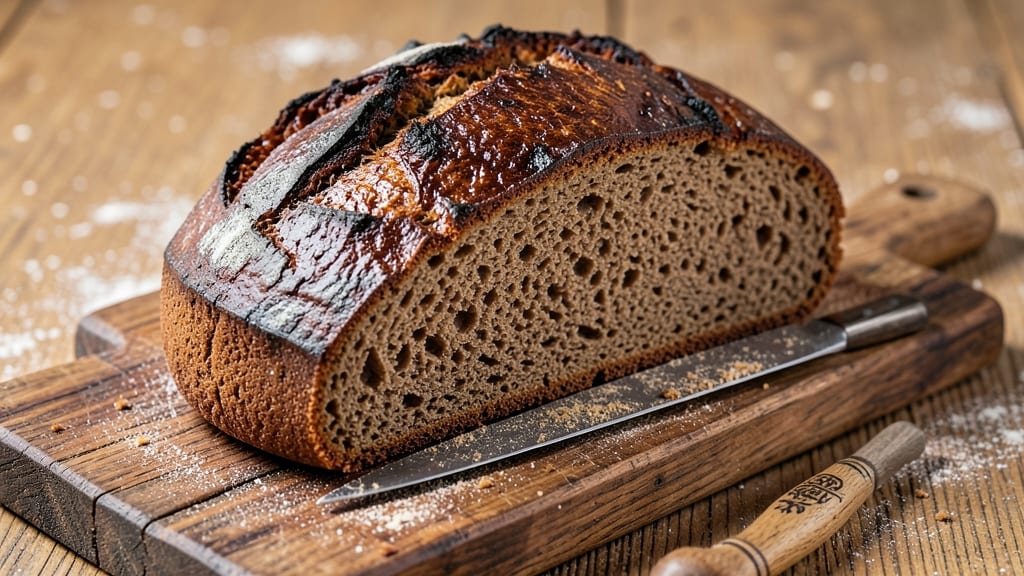
This authentic German pumpernickel bread recipe brings the deep, molasses-rich flavor of traditional German bakeries straight to your kitchen. 🌟 The secret lies in slow fermentation and rye flour, which creates that signature dark crust and dense, hearty texture that's been a staple in German homes for centuries.
Unlike quick breads, this recipe requires patience—each step, from mixing to baking, contributes to its legendary character.
The foundation is a blend of dark rye flour and whole grains, combined with molasses for that signature sweetness and depth. Traditional recipes often skip yeast, relying instead on a natural fermentation process that develops complex flavors over time.
This method ensures the bread stays dense and moist, with a crust that's richly caramelized rather than crisp. The longer it ferments, the more pronounced the flavor becomes—think of it as a slow-cooked experience in bread form.
What you’ll end up with is a loaf that’s authentic in every bite—dark, slightly sweet, and packed with the earthy notes of rye. The texture is dense yet tender, perfect for thick slices of toast or as a side to hearty German dishes like bratwurst or sauerkraut.
This isn’t just bread; it’s a taste of tradition, crafted with care to honor the methods that have been passed down for generations.
The beauty of this recipe is its versatility—you can adjust the molasses for sweetness or add seeds for extra crunch, but the core technique remains the same. Once you’ve mastered the slow fermentation and baking process, you’ll have a loaf that rivals anything you’d find in a German bakery.
Ready to bake the real deal? Let’s get started.
Ingredients for authentic german pumpernickel bread
Here's what you need to craft that legendary German pumpernickel loaf—dark, sweet, and packed with tradition.
| Ingredient | Amount | Notes |
|---|---|---|
| Dark Rye Flour 🌾 | 3 ½ cups | For authentic German flavor |
| Whole Wheat Flour 🌾 | 1 cup | Adds texture and nutrition |
| Unsweetened Molasses 🍯 | ½ cup | Use high-quality, dark molasses |
| Active Dry Yeast 🍞 | ¼ tsp | Or use sourdough starter |
| Warm Water 💧 | 1 ½ cups | 105-115°F for optimal yeast |
| Salt 🧂 | 1 ½ tsp | Kosher or sea salt preferred |
| Honey 🍯 | 1 tbsp | Enhances fermentation |
| Sunflower Seeds 🌻 | ½ cup | Toasted for extra crunch |
| Sesame Seeds 🌿 | 2 tbsp | For traditional German touch |
| Caraway Seeds 🌿 | 1 tsp | Optional for authentic flavor |
| Dark Brown Sugar 🍚 | 2 tbsp | Balances molasses sweetness |
| Vegetable Oil 🫒 | 2 tbsp | For dough elasticity |
| Cornmeal 🌽 | ¼ cup | For dusting and crust |
The rye flour is non-negotiable here—King Arthur or Bob's Red Mill are my go-tos, but any dark rye flour will work. Look for 100% rye flour if you can find it, but the blend of dark rye and whole wheat gets you close. Molasses is the soul of this bread, so grab the darkest, thickest kind you can find—none of that pre-made 'barrel' stuff with additives. The yeast? Traditional German recipes often skip it entirely for a sourdough starter, but active dry yeast gives you a more reliable rise for beginners. If you're feeling adventurous, try a small sourdough starter (just 1 tbsp) instead—it'll take longer but give that authentic tang.
No molasses? Maple syrup or dark corn syrup in a pinch, though the flavor won't be quite the same. Running low on caraway seeds? Skip them entirely—they're traditional but not essential. The sunflower seeds can be swapped for flaxseeds or pumpkin seeds if that's what you've got. For the water, filtered or spring water is ideal—tap water with chlorine can slow fermentation. And if you're worried about the dough being too sticky, add 1 tbsp more flour gradually until it comes together. The dough should be tacky but not wet—this bread needs moisture to develop that signature dense texture.
This dough needs time—at least 8 hours of cold fermentation (overnight is best) for maximum flavor. Store it in an airtight container in the fridge, covered with a damp towel to prevent drying. The longer it ferments, the more complex the flavor becomes, so don't rush it. Once baked, let it cool completely on a wire rack before slicing—patience here prevents a gummy interior. The loaf keeps well at room temperature for 3-4 days wrapped in a clean kitchen towel, or you can freeze slices for up to 3 months. Toast thick slices for that perfect crunchy crust—it's worth the wait.
Why You'll Love This Recipe
- No-Knead Magic: Honestly, this dough is so forgiving—just mix the dark rye flour, whole wheat, and warm water, let it rest, then shape it. My lazy Sundays now include a loaf rising while I sip coffee, no energy required.
- Molasses Depth: That unsweetened molasses? It’s the secret weapon—deep, caramelized sweetness that lingers with every bite. The yeast makes it light enough to toast, but the rye keeps it hearty and satisfying (yes, even for breakfast).
- Weeknight Workhorse: Between us, this bread is my go-to for sandwiches, toast, or even croutons. The texture holds up for days, and I’ve used it for everything from charcuterie boards to quick lunches—no waste, just flavor.
- Budget-Friendly Staple: Dark rye and whole wheat are cheap, and a single batch feeds my family for weeks. Freeze slices for toast later, or stash it in the fridge—this loaf pays for itself in leftovers alone. (My wallet thanks me.)
Step-by-step instructions for authentic German pumpernickel bread
Let's craft this classic German bread with its signature dark crust and molasses depth.
👨🍳 Step 1: Activate the Yeast and Mix the Dough
In a large bowl, combine the 1.5 cups warm water (between 105-115°F) with the 1 tbsp honey and 2 tbsp dark brown sugar. Sprinkle the 0.25 tsp active dry yeast over the top and let sit for 5-10 minutes until foamy. This tells you your yeast is alive and ready to work.
In a separate bowl, whisk together the 3.5 cups dark rye flour, 1 cup whole wheat flour, 1.5 tsp salt, and 1 tsp caraway seeds. Create a well in the center and pour in the yeast mixture along with the 2 tbsp vegetable oil. Mix with a wooden spoon until a shaggy dough forms.
🍳 Step 2: Knead Until Elastic and Smooth
Turn the dough onto a lightly floured surface and knead for 8-10 minutes until smooth and elastic. You'll know it's ready when it springs back slowly when poked. I like to use my hands for this—it gives me better control over the texture. If the dough feels too sticky, add 1 tbsp of dark rye flour at a time until it's manageable.
Real talk: This dough won't be as stretchy as regular bread dough. That's normal—pumpernickel has a denser texture. Once kneaded, shape it into a round loaf and place it back in the bowl. Cover with a damp towel and let rise in a warm place for 1-2 hours or until doubled in size. The molasses will make this rise slower than regular dough, so be patient.
🥘 Step 3: Add Seeds and Shape the Loaf
After the first rise, punch down the dough and transfer it to a clean surface. Gently fold in the 0.5 cup sunflower seeds and 2 tbsp sesame seeds by pressing them lightly into the dough. Don't overmix—just distribute them evenly. Shape the dough into a round loaf about 8 inches in diameter and place it on a baking sheet dusted with 0.25 cup cornmeal.
Here's the thing—pumpernickel develops its best flavor when baked slowly. Preheat your oven to 350°F and let the shaped loaf rise again for 30-45 minutes while the oven heats up. This second rise helps create that classic dense texture. When the dough has puffed up noticeably, it's ready for the oven.
🔥 Step 4: Bake Low and Slow for Deep Flavor
Bake the pumpernickel at 350°F for 45-50 minutes, then reduce heat to 325°F and continue baking for another 45-50 minutes. This slow bake is crucial—it allows the molasses and rye to develop their deep, complex flavors. The crust should be dark brown and almost black when done, with a crackly texture.
For that authentic German touch, I like to brush the crust with a little water after 30 minutes of baking. This helps create a thicker, darker crust. The internal temperature should reach 190-200°F when done. If you tap the bottom and it sounds hollow, it's ready. Let it cool completely on a wire rack before slicing—patience here prevents a gummy texture.
⏰ Step 5: Rest and Slice for Perfect Texture
Once completely cooled, slice the pumpernickel with a serrated knife. The bread should have a dense, moist crumb with visible specks of seeds throughout. For maximum flavor, let it sit at room temperature for 24 hours before slicing—this allows the flavors to fully develop. Store any leftovers wrapped in plastic in the refrigerator for up to 1 week or freeze for 3 months.
This authentic pumpernickel has a perfect balance of sweetness from the molasses, nuttiness from the rye, and crunch from the seeds. The slow baking creates that signature dark crust while keeping the interior moist and flavorful. Serve with butter or use for sandwiches—just don't skip the resting time or you'll miss out on the full flavor experience.
Pro Tips For Making Authentic German Pumpernickel Bread
- Bloom the Yeast First: Skip mixing yeast straight into the flour—dissolve it in warm water (about 105°F/40°C) with a pinch of sugar first, then let it sit for 5-10 minutes until frothy. I learned this the hard way: dry yeast hiding in dense rye flour wakes up sluggish, and your dough will take twice as long to rise. (Yes, even if you're impatient like me.)
- Weigh Your Rye Flour: Rye flour packs differently than wheat—use a kitchen scale for accuracy, not volume. A cup of dark rye flour can vary by 10-15g between brands, and your dough’s consistency will thank you. I was skeptical until I tried it: my loaves finally had that perfect dense-chewy balance.
- Steam the First 20 Minutes: Place a metal tray on the oven rack below your loaf and add 1 cup boiling water when you bake. The steam mimics German bakery ovens and guarantees a thick, crackly crust instead of a dry top. After burning three batches with dry-heat-only baking, I finally figured this out.
- Rest the Dough Overnight: Cover your shaped loaf and refrigerate for 12-24 hours before baking—this slow fermentation develops deeper flavor and easier slicing. Sounds weird, but it works: my first attempt at room-temp proofing left me with a dense brick. (Your future self will thank you.)
Serving suggestions for authentic german pumpernickel bread
Breakfast Pairings
This dense, molasses-rich bread is perfect for a hearty German breakfast. Try it with butter and honey for a simple yet satisfying treat—just spread 1 tbsp unsalted butter on a thick slice and drizzle with 1 tsp wildflower honey.
For a savory option, pair it with scrambled eggs and crispy bacon, or serve it alongside a classic German cheese platter with Emmental and Gouda. The bread's slight sweetness balances the richness beautifully. 🍳
Lunch and Sandwiches
For lunch, use thick slices of pumpernickel as the base for Reuben sandwiches—layer with corned beef, Swiss cheese, sauerkraut, and Russian dressing. The molasses depth complements the tangy flavors perfectly.
Another favorite is the German "Pumpernickel Brot" sandwich with roast beef, horseradish cream cheese, and thinly sliced cucumbers. Toast the bread lightly to enhance its crusty texture. 🥪
Dinner Sides
Serve warm slices alongside classic German dinners like sausages (bratwurst or frankfurters) and sauerkraut. The bread's hearty texture soaks up the juices while adding a subtle sweetness that contrasts the tangy kraut. For a vegetarian option, pair it with mushroom gravy and roasted root vegetables like carrots and parsnips.
The molasses flavor also works beautifully with smoked salmon and cream cheese for a lighter dinner. 🍽️
Dessert Twist
Surprise your guests by serving pumpernickel as a dessert base! Toast thick slices, spread with whipped cream or mascarpone cheese, and top with fresh berries or dark chocolate shavings. The bread's natural sweetness pairs wonderfully with tart fruits like raspberries or blackberries.
For a boozy touch, drizzle with spiced rum caramel or a splash of Kahlúa. This unexpected dessert is a crowd-pleaser! 🍰
Coffee and Tea Companion
No meal is complete without a warm beverage, and pumpernickel pairs exceptionally well with black coffee or German-style tea. The bread's deep, molasses notes complement the bitterness of coffee, while its earthy rye flavor enhances herbal teas like chamomile or peppermint.
For a traditional German touch, serve with glühwein (mulled wine) during the holidays—its spices harmonize beautifully with the bread's rich flavors. ☕
Storage and Serving Tips
To keep your pumpernickel fresh, store it in an airtight container at room temperature for up to 4 days. For longer storage, wrap slices in parchment paper and freeze for up to 3 months.
When serving, let slices cool completely before toasting—they reheat beautifully in a toaster or oven at 300°F for 5-7 minutes. The bread's flavor actually improves over time, so leftovers taste even better the next day! 💫
Nutrition facts
Frequently asked questions
Why does traditional pumpernickel have such a long fermentation time?
The extended fermentation (typically 8-24 hours) is what creates pumpernickel's signature deep flavor and dense texture. During this time, the natural enzymes in the rye break down complex sugars, developing those rich, molasses-like notes. The slow process also improves digestibility and gives the bread its characteristic tang. Think of it like slow-cooking—patience pays off with incredible flavor!
Can I make pumpernickel without molasses?
Yes, but the flavor won't be authentic. Try substituting 1/2 cup maple syrup or dark corn syrup for the molasses, though the taste will be slightly less complex. For a more traditional approach, use 1 tbsp blackstrap molasses plus 1/4 cup honey to mimic the depth. The molasses is key to that signature sweetness and dark color.
What's the best way to achieve that dark crust?
The dark crust comes from baking at 325°F for an extended time (over 1.5 hours45 minutes, brush the crust with water and bake uncovered for another 15 minutes. The longer baking time caramelizes the sugars in the rye and molasses, creating that signature almost-black crust.
Why does my pumpernickel turn out gummy?
Gummy texture usually means the bread didn't dry out enough during baking or was sliced too soon. Always let it cool completely on a wire rack before slicing—at least 2 hours. For extra firmness, bake 10-15 minutes longer at the end. The molasses and honey add moisture, so don't rush the process. Traditional German pumpernickel is dense, not gummy!
Can I use a Dutch oven for baking?
A Dutch oven creates steam, which helps develop a thicker crust and improves oven spring. Place your shaped loaf in the Dutch oven, cover with the lid, and bake at 350°F for 30 minutes, then remove the lid and continue baking as directed. This method gives you that professional bakery-style crust. Just be sure to use a baking sheet underneath to catch any potential spills.