
Desserts
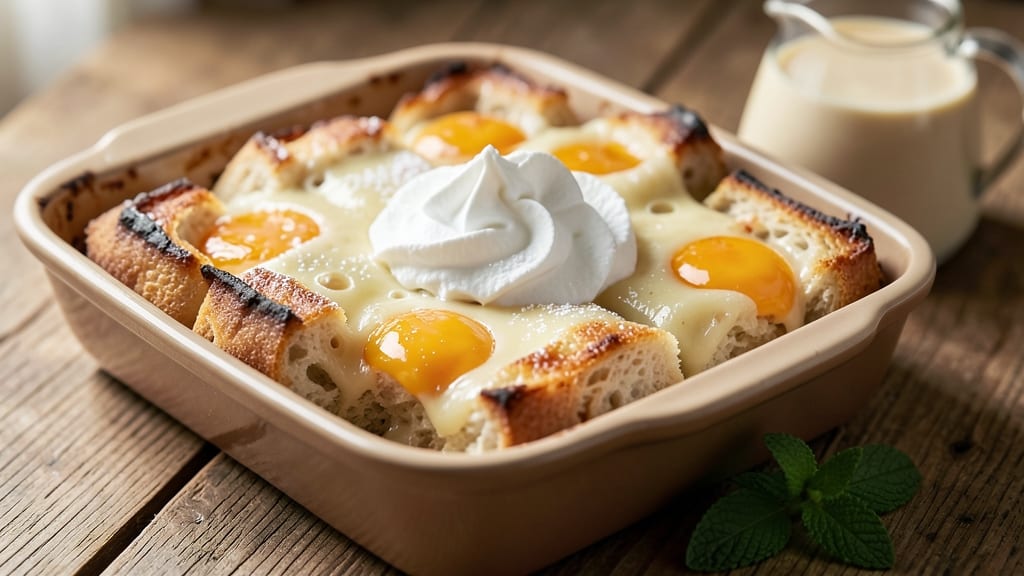
This awesome bread pudding recipe delivers a perfect balance of creamy vanilla custard and a golden, caramelized top that makes every bite irresistible.
The secret lies in soaking stale bread just enough to absorb the custard without turning soggy, then baking it until the edges are crisp and the center stays tender.
I’ve perfected this version over years of testing, ensuring the texture is rich yet light, with a custard core that’s velvety smooth.
The magic happens in the layers—thin slices of bread alternate with custard for even cooking, while a touch of cinnamon and nutmeg deepens the vanilla flavor. A final drizzle of caramel sauce before serving adds that restaurant-worthy finish.
This isn’t your grandmother’s bread pudding; it’s a dessert that feels luxurious yet simple to make, with just a few key steps and 30 minutes of hands-on time.
What you’ll end up with is a dessert that’s foolproof yet impressive—golden on top, creamy inside, and with a custard so rich it feels like a hug in every bite. The caramelized edges add a subtle crunch, while the vanilla custard base ensures every spoonful is pure comfort.
It’s the kind of dessert that disappears quickly, leaving only crumbs and satisfied smiles.
Perfect for feeding a crowd or treating yourself to a cozy dessert night, this recipe scales easily and pairs beautifully with vanilla ice cream or whipped cream. Let’s get baking—this bread pudding is about to become your new favorite.
Ingredients for awesome bread pudding
Here’s what you need to make a bread pudding that’s creamy inside and golden crisp on top.
| Ingredient | Amount | Notes |
|---|---|---|
| Stale White Bread 🍞 | 12 slices | Day-old or lightly toasted |
| Large Eggs 🥚 | 4 whole | Room temperature preferred |
| Vanilla Extract 🌿 | 2 tsp | Pure, high-quality extract |
| Granulated Sugar 🍚 | 1 ½ cups | Or light brown sugar |
| Heavy Whipping Cream 🥛 | 1 ½ cups | Full-fat for creaminess |
| Milk 🥛 | 1 cup | Whole milk preferred |
| Unsalted Butter 🧈 | ½ cup | Cold, cubed for custard |
| Ground Cinnamon 🌿 | 1 ½ tsp | Freshly ground preferred |
| Ground Nutmeg 🌿 | ½ tsp | Freshly grated for depth |
| Salt 🧂 | ½ tsp | Fine sea salt preferred |
| Store-Bought Caramel Sauce 🍯 | ½ cup | For drizzling on top |
| Vanilla Ice Cream 🍦 | 1 cup | Optional for serving |
The bread is everything—stale or lightly toasted slices absorb custard perfectly without getting soggy. I grab a loaf from Trader Joe’s or Whole Foods because their crusty bread holds up best. If you’re using fresh bread, toast it first to mimic that texture. The eggs? Room temperature is key—they’ll blend smoother into the custard. I always use large eggs for that rich, velvety texture, but medium works too if that’s what you’ve got. For the vanilla, pure extract (not imitation) makes all the difference—it’s worth the extra penny.
No heavy cream? Full-fat coconut milk works in a pinch, though the texture won’t be identical. Swapping sugar? Light brown sugar adds subtle caramel notes, but stick with granulated for classic flavor. The caramel sauce can be homemade (simmer sugar + cream until golden), but store-bought is fine—just pick one without artificial flavors. For the spices, freshly ground nutmeg tastes worlds better than pre-ground, but if you’ve only got the jarred kind, it’ll still taste good. And if you’re serving this to a crowd, double the caramel sauce—trust me, you’ll use it all.
This keeps 3 days in the fridge, but honestly, it’s best the day it’s made. For make-ahead magic, assemble the pudding, cover, and refrigerate overnight—the flavors meld even better. Reheat at 350°F for 20 minutes until bubbly. The caramelized top? That’s the star—don’t skip the broiler for 2-3 minutes at the end if you want that golden crust. Leftovers? Slice and reheat with a drizzle of extra caramel sauce—it’s like dessert for breakfast. Freezes for 2 months if you’re planning ahead.
Why You'll Love This Recipe
- No-Waste Magic: I swear by this trick—toss in that stale loaf of bread you’ve been meaning to throw out. The eggs and cream turn it into something so rich, you’ll forget it was ever dry.
- Creamy Vanilla Bliss: That heavy whipping cream and vanilla extract? It’s like dessert hugs you in the best way. Sweet but not cloying, with a custardy center that’s pure comfort.
- Breakfast or Dessert: Honestly, I make this for both. Serve it warm with a drizzle of caramel for dinner, or cold with whipped cream for a lazy Sunday breakfast. The bread soaks up all the flavor either way.
- Budget-Friendly Luxury: Eggs, bread, sugar—these are pantry staples that won’t break the bank. Plus, it reheats beautifully, so you can make a big batch and enjoy it all week without guilt.
Step-by-step instructions for vanilla custard bread pudding
Here's how to transform stale bread into a rich, custardy dessert with a caramelized top.
Prepare the Bread Base
Preheat your oven to 350°F and lightly grease a 9x13-inch baking dish. Tear the 12 slices stale white bread into 1-inch pieces—this ensures even cooking and maximum surface area for soaking up the custard. Arrange the bread pieces in the prepared dish in a single layer, slightly overlapping them to create an even base.
Here's the thing—using day-old bread is crucial. Fresh bread absorbs too much liquid and becomes soggy, while stale bread holds its shape beautifully while soaking up the custard mixture. If you're using fresh bread, lightly toast it first to mimic the texture of stale bread.
Make the Custard Mixture
In a large bowl, whisk together the 4 whole large eggs, 1.5 cups granulated sugar, 1.5 cups heavy whipping cream, 1 cup milk, 2 tsp vanilla extract, 1.5 tsp ground cinnamon, 0.5 tsp ground nutmeg, and 0.5 tsp salt until completely smooth. The mixture should be pale yellow and well combined.
This is where the magic happens—the custard needs to be perfectly smooth to create that silky texture we're after. If you see any lumps, strain the mixture through a fine-mesh sieve to ensure a velvety consistency. The warm spices and vanilla will infuse throughout as it bakes, creating that cozy vanilla custard flavor we all love.
Combine and Bake
Pour the custard mixture evenly over the bread pieces, pressing down gently to ensure everything is saturated. Let it sit for 10 minutes while you prepare the topping. This resting time allows the bread to absorb the custard without becoming waterlogged.
In a small bowl, melt the 0.5 cup unsalted butter until completely liquid. Then, stir in 0.25 cup granulated sugar (reserve the remaining 1.25 cups for later) until the sugar dissolves. Pour this buttery sugar mixture evenly over the custard-soaked bread.
Create the Caramelized Top
Sprinkle the remaining 1.25 cups granulated sugar evenly over the top of the bread pudding. This creates that signature caramelized crust we're after. Bake uncovered for 40-45 minutes until the top is golden brown and the edges are set.
Watch the color carefully—you want a deep golden brown, almost like caramel. If it starts browning too quickly, tent the dish with foil to prevent burning while allowing the center to finish cooking. The internal temperature should reach 160°F when checked with an instant-read thermometer.
Finish and Serve
Remove the bread pudding from the oven and let it cool for 10 minutes before drizzling with the 0.5 cup store-bought caramel sauce. This resting period allows the custard to set slightly, making it easier to slice and serve.
For an extra decadent touch, serve with a scoop of 1 cup vanilla ice cream on the side. The warm bread pudding contrasts beautifully with the cold ice cream, creating the perfect balance of textures and temperatures. Each bite should deliver that creamy custard center with a perfectly caramelized top that's just sweet enough.
Pro Tips For Making Awesome Bread Pudding
- Cube Bread Evenly: Grab a sharp knife and slice the bread into 1-inch cubes—no need to be perfect, but avoid tiny crumbs. I used to toss them in haphazardly, and the pudding would cook unevenly. A quick run through a food processor (pulse, don’t grind) gives consistent cubes without the mess.
- Whisk Eggs Like Mad: Beat those eggs until they’re pale yellow and ribbony—no streaks, no lumps. I learned this the hard way: underwhisked eggs make a dense, rubbery pudding. A hand mixer saves your arm, but elbow grease works too. The cream should ribbon off the whisk when you lift it.
- Skip the Overmixing: Fold in the cream and sugar gently—just until combined. Overmixing incorporates too much air, and your pudding will sink in the middle like a sad soufflé. Think "marry, don’t stir violently." A spatula’s light touch keeps the texture light and custardy.
- Bake Until Golden: Start at 350°F (175°C) for 40 minutes, then crank to 375°F (190°C) for the last 10–15 minutes. This two-step bake gives you a crisp top without burning the edges. I used to walk away too soon—now I wait for that deep golden hue, even if it means staring at the oven like a hawk.
Common mistakes when making this dish
Over-Soaking the Bread
One of the most common mistakes is letting the bread soak too long in the custard mixture. If you pour the custard over the bread and walk away for more than 15 minutes, you’ll end up with a soggy, waterlogged pudding instead of that perfect creamy texture.
The bread should be saturated but not drowning—press down gently after pouring to help it absorb evenly. I’ve ruined more than a few batches by being impatient and letting it sit too long. 🥖
Skipping the Resting Time
After pouring the custard over the bread, it’s tempting to rush straight into the oven. But letting it rest for 10 minutes before baking is crucial. This gives the bread time to absorb just the right amount of liquid without turning mushy.
If you skip this step, your pudding might collapse or develop a watery center. Think of it like making a cake—resting ensures even cooking and better texture.
Uneven Sugar Distribution
The caramelized top is what makes bread pudding special, but uneven sugar can lead to patchy browning. Sprinkle that 1.25 cups granulated sugar evenly over the top—don’t just dump it in the center. Use a fine-mesh sieve for a smoother, more even layer.
I’ve seen too many puddings with one side burnt and the other pale because the sugar wasn’t distributed properly. A quick shake of the pan helps spread it out.
Over-Baking for Crispiness
Yes, you want that golden caramelized top, but over-baking turns the bread pudding dry and tough. The moment the edges pull away from the pan and the top is deep golden brown, it’s done—usually around 40-45 minutes.
If you keep it in too long, the custard will curdle or the bread will turn to cardboard. An instant-read thermometer should read 160°F at the center. Trust the color and temperature, not your hunger! 🍯
Ignoring the Butter-Sugar Topping
That melted butter and sugar mixture isn’t just for flavor—it’s what creates the signature caramelized crust. Skipping it or using too little means you’ll miss out on that rich, buttery depth.
Melt the 0.5 cup unsalted butter and mix it with 0.25 cup sugar until smooth, then spread it evenly over the custard-soaked bread. This step is non-negotiable for that restaurant-quality finish.
Using Fresh Bread
Fresh bread is a rookie mistake. It absorbs way too much liquid and turns to mush, no matter how long you bake it. Stale or lightly toasted bread holds its shape and soaks up the custard just right.
If you’re in a pinch, toast fresh bread until it’s firm—this mimics the texture of stale bread. I’ve learned this the hard way after coming home to find a soggy disaster in my oven. 🚫🍞
Nutrition facts
Frequently asked questions
Can I use any type of bread for this recipe?
Stale white bread works best for that classic texture, but you can experiment! Try brioche for extra richness or sourdough for a tangy twist. Just avoid soft breads like hamburger buns—they’ll turn mushy. For gluten-free options, use gluten-free bread or even gluten-free breadcrumbs mixed with custard.
How do I make this bread pudding ahead of time?
Assemble the pudding in the baking dish, cover tightly, and refrigerate for up to 24 hours before baking. The flavors meld beautifully overnight! For serving later, bake as directed, then reheat at 350°F for 20 minutes until bubbly. Store leftovers in the fridge for 3 days or freeze for 2 months.
Can I add alcohol to the custard?
Swap half the milk for bourbon, rum, or brandy for a boozy twist. For every 1 cup milk removed, add ½ cup alcohol and reduce the custard baking time by 5-10 minutes—alcohol evaporates faster. Start with 2 tablespoons if you're unsure about the strength.
Why did my bread pudding turn out watery?
This usually happens from over-soaking or under-baking. Let the custard sit on the bread for only 10-15 minutes before baking, and check for doneness at 40 minutes. If it’s still jiggly, bake 5 more minutes. For extra insurance, use slightly less milk (¾ cup instead of 1 cup) in the custard.
What’s the best way to reheat leftovers?
Slice the pudding and warm individual portions in the microwave for 30-45 seconds, or bake at 350°F for 15 minutes until heated through. For restaurant-style results, broil for 2-3 minutes to restore that caramelized crust. Add a drizzle of caramel sauce before serving to refresh the flavor.