
Side Dishes
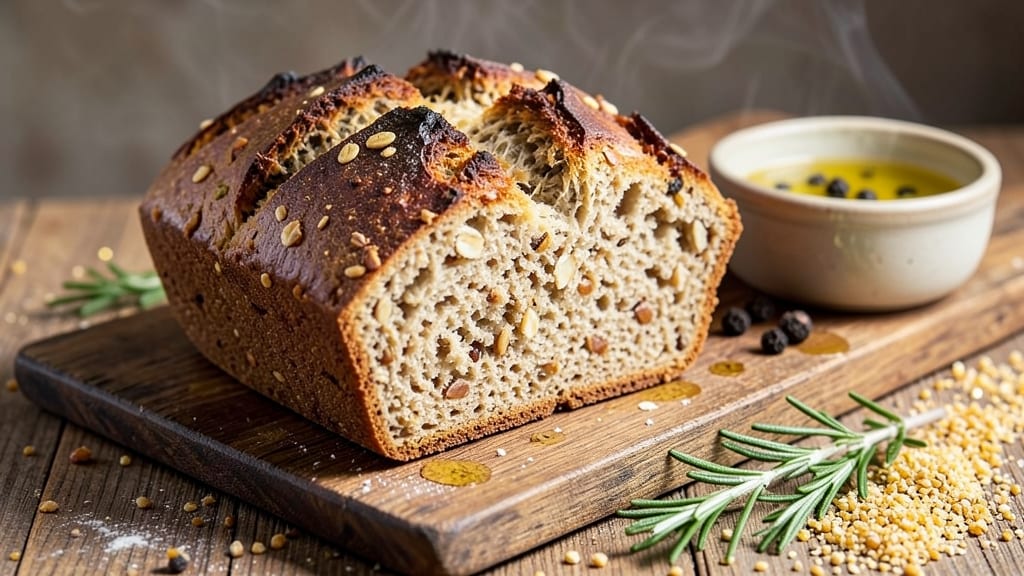
Your bread machine just got an upgrade with this 9-grain flour bread recipe that delivers whole-grain crunch with perfectly chewy centers. 🌾 The secret lies in the blend of nine different whole grains—each bringing unique texture and nutrition—transformed into a loaf that’s heartier than standard white bread but still wonderfully tender.
This recipe is designed specifically for bread machines, eliminating guesswork while maximizing flavor and texture.
What sets this recipe apart is the balanced approach to hydration and kneading time, which prevents dense results while preserving the nutty complexity of whole grains. The bread machine handles all the heavy lifting—mixing, kneading, and baking—while you focus on gathering ingredients.
Unlike traditional whole-wheat bread, this version stays moist longer and has a satisfying crunch that disappears with each bite.
The result is a nutrient-packed loaf with a golden crust and an interior that’s soft yet resilient—ideal for sandwiches, toast, or simply enjoying with butter. The nine-grain blend not only enhances flavor but also boosts fiber and protein content, making it a healthier choice without sacrificing taste.
Whether you're a bread machine novice or a seasoned baker, this recipe delivers restaurant-quality texture with minimal effort.
Ready in just 3 hours (including machine cycles), this bread is perfect for meal prep or satisfying weekend baking cravings. The recipe includes troubleshooting tips to ensure success, so you’ll avoid common pitfalls like over-kneading or uneven baking.
Let’s get started on your first loaf of naturally sweet, wholesome bread—no yeast headaches or dough disasters in sight.
Ingredients for 9 grain flour bread machine
Nine whole grains blend with classic bread essentials for restaurant-quality texture in your bread machine.
| Ingredient | Amount | Notes |
|---|---|---|
| All-Purpose Flour 🌾 | 2 cups | Standard white flour for structure |
| Whole Wheat Flour 🌾 | 1 cup | King Arthur preferred for nutrition |
| Rye Flour 🌾 | ½ cup | Dark rye for deep flavor profile |
| Oat Flour 🌾 | ½ cup | Blended from rolled oats |
| Cornmeal 🌽 | ¼ cup | Fine grind for texture contrast |
| Spelt Flour 🌾 | ¼ cup | Lightly toasted for nuttiness |
| Buckwheat Flour 🌾 | ¼ cup | Rich, earthy flavor base |
| Amaranth Flour 🌾 | ¼ cup | High-protein alternative |
| Quinoa Flour 🌾 | ¼ cup | Complete protein addition |
| Active Dry Yeast 🍞 | 2 ¼ tsp | Freshly opened for viability |
| Granulated Sugar 🍚 | ¼ cup | White sugar for fermentation |
| Unsalted Butter 🧈 | ¼ cup | Softened to room temperature |
| Warm Water 💧 | 1 ¼ cups | 110°F for optimal yeast activation |
| Honey 🍯 | 1 tbsp | Wildflower preferred for flavor |
| Salt 🧂 | 1 ½ tsp | Diamond Crystal kosher preferred |
The grain selection determines texture and nutrition—King Arthur flours deliver consistent quality for whole wheat and rye, while Bob's Red Mill offers excellent pre-ground options for oat and buckwheat. For spelt and amaranth, local health food stores often carry specialty flours that provide better flavor depth than supermarket brands. Toast your grains lightly before grinding if possible—5 minutes in a dry pan enhances nuttiness. The quinoa flour adds protein without altering the dough's elasticity, making it ideal for bread machine recipes. Store your specialty flours in airtight containers to prevent moisture absorption, which can degrade quality over time.
Substitutions should maintain the grain-to-flour ratio. Substitute white whole wheat flour for regular whole wheat at a 1:1 ratio if needed—it has a milder taste but similar texture. For cornmeal, polenta or fine-ground grits work in a pinch, though texture will differ slightly. If you're missing buckwheat or amaranth, increase the rye flour by 0.25 cup total to compensate for flavor depth. The honey can be replaced with maple syrup at equal volume, though it may slightly darken the crust. For yeast, instant yeast can be used at the same amount, but active dry yeast requires pre-dissolving in warm water first. Always measure your flours by weight if possible—1 cup of different flours varies dramatically in ounces.
This dough requires 30 minutes of rest after mixing before starting the bread machine cycle to allow gluten development. Store completed loaves in a paper bag at room temperature for up to 5 days to maintain freshness—plastic bags trap moisture and accelerate staling. For longer storage, wrap tightly in foil and freeze for up to 3 months. Toast slices directly from frozen for best texture. The butter should be softened but not melted—microwave for 20 seconds if needed—to ensure proper incorporation without making the dough too sticky. Pre-portion your flours in sealed bags to streamline future baking sessions.
Why You'll Love This Recipe
- No-Fuss Machine Magic: I swear by the bread machine for this—just toss in the flours (all-purpose, whole wheat, rye, oat, and a sprinkle of cornmeal for texture), add water and yeast, and let it do the work. No kneading, no stress, just hands-off baking while you sip coffee or scroll.
- Earthy, Nutty Crunch: That mix of rye and oat flour? It’s ridiculously good—warm, slightly sweet, with a subtle bite from the cornmeal crust. Honestly, it’s the kind of bread that makes store-bought loaves feel boring.
- Weeknight Wonder: This bread is my go-to for sandwiches, toast, or even French toast—no one questions why I’m making it when it’s so darn versatile. (Yes, even on a Tuesday night when I’m too tired to plan.)
- Budget-Friendly Staple: Using pantry staples like whole wheat and rye cuts costs, and a single loaf lasts me all week. Freeze extras for toast or croutons—no waste, all flavor. My wallet and my taste buds thank me.
Step-by-step instructions for 9-Grain flour bread machine recipe
The bread machine handles the heavy lifting, but these precise steps ensure your multi-grain loaf develops that signature chewy interior with a satisfying crunch.
👨🍳 Step 1: Combine Dry Ingredients in the Bread Pan
In a medium bowl, whisk together all the dry ingredients: the 2 cups all-purpose flour, 1 cup whole wheat flour, 0.5 cup rye flour, 0.5 cup oat flour, 0.25 cup cornmeal, 0.25 cup spelt flour, 0.25 cup buckwheat flour, 0.25 cup amaranth flour, and 0.25 cup quinoa flour. Sift the mixture lightly to aerate the flours and break up any lumps.
This blend of flours creates the signature texture—each grain contributes differently: the oat flour adds slight grit, the buckwheat brings earthiness, and the quinoa provides structure. The cornmeal will give that subtle crunchy contrast you're after. Transfer the combined dry ingredients directly into your bread machine pan.
🍳 Step 2: Mix Wet Ingredients and Activate the Yeast
In a separate bowl, combine the 1.25 cups warm water (about 110°F), 1 tbsp honey, and 0.25 cup granulated sugar. Stir until the honey and sugar dissolve completely. This creates an ideal environment for yeast activation.
Add the 2.25 tsp active dry yeast to the wet mixture and let it sit for 5-10 minutes until you see frothy bubbles forming on the surface. This confirms your yeast is alive and ready to work. If no bubbles appear after 10 minutes, your yeast may be inactive—start fresh with a new packet.
🥘 Step 3: Add Wet Mixture and Butter to the Pan
Pour the yeast mixture into the bread pan with dry ingredients. Add the 0.25 cup softened unsalted butter and the 1.5 tsp salt, then use a rubber spatula to mix everything together until just combined. The dough should be shaggy but cohesive—don't overmix or you'll develop too much gluten.
Here's the thing—this dough is dense from all those whole grains. The butter adds richness and helps create that tender crumb. The salt will balance the sweetness from the honey while enhancing the flavors of each grain. Scrape down the sides of the pan to ensure even distribution.
⏰ Step 4: Select the Basic Bread Setting
Close the bread machine lid and select the "Basic" bread setting. The machine will automatically knead the dough for 5-10 minutes, then allow it to rise for 1.5-2 hours at 110-115°F. This long fermentation develops complex flavors and that signature chewy texture.
While the machine works, resist the urge to peek at the dough—each time you open the lid, you release heat and moisture, potentially throwing off the fermentation process. The machine will handle everything from kneading to proofing to baking automatically.
🔥 Step 5: Remove and Cool for Optimal Texture
When the cycle completes, remove the loaf from the pan and transfer it to a wire rack. Let it cool completely for at least 1 hour before slicing. This resting period allows the internal structure to set properly, preventing a gummy crumb.
The bread will have a dense, rustic appearance with a slightly cracked top—this is normal and indicates proper fermentation. Once fully cooled, slice to reveal the layers of texture: the exterior crust should be crisp, the middle chewy, and the interior slightly dense from the whole grains. Store wrapped at room temperature for up to 3 days or freeze for longer storage.
Pro Tips For Making 9 Grain Flour Bread Machine
- Weigh Your Flours: I learned this the hard way—measuring flours by volume with cups leads to inconsistent results, especially with dense mixes like rye and oat flour. Use a kitchen scale for precision; your bread machine’s kneading will thank you for it.
- Add Warm Water: Cold water makes the dough sluggish, and this recipe’s mix of whole grains and rye needs a little help getting lively. Use water at 85°F (29°C)—just warm enough to touch, not scalding—to jumpstart fermentation without overworking the gluten.
- Skip the Extra Yeast: This blend of whole grains and rye is heavier than white flour, so it doesn’t need extra yeast to rise. Stick to the recipe’s amount; overdoing it can make the bread taste bitter or collapse during baking.
- Toast the Cornmeal: Dry-toast the cornmeal in a skillet for 2–3 minutes until it smells nutty. This small step adds depth to the bread’s flavor and prevents a raw, gritty texture—trust me, it makes a real difference.
Troubleshooting great 9 grain flour bread machine
Dense Dough Issues
If your dough feels too thick or sticky after mixing, you're likely dealing with over-hydration from the whole grains. Reduce the warm water by 2 tablespoons and add 1 extra tablespoon of all-purpose flour to balance the texture.
The nine-grain blend absorbs moisture differently than standard flour—this adjustment prevents a gummy loaf. Always let the dough rest for 10 minutes after mixing to help gluten relax. 🌾
Uneven Baking
Hot spots in your loaf? This usually means your bread machine isn't distributing heat evenly. Try preheating the pan for 5 minutes before starting the cycle, or place a ½ cup water in the bottom of the pan to create steam during baking.
For older machines, consider using the "Light Crust" setting instead of "Basic" to reduce oven temperature slightly. Rotate the pan halfway through baking if your machine allows it. ⚡
Flat or Puffy Top
A flat loaf indicates underproofed dough, while a puffy top suggests overproofing. For this dense grain blend, aim for a 1.5-hour rise time at 110°F. If your machine doesn't have temperature controls, use the "Whole Wheat" setting which typically has longer fermentation times.
For extra lift, add ½ tsp xanthan gum to the dry ingredients—it mimics gluten development in whole grain doughs. 💡
Grainy Texture
If your bread has noticeable grit, your flour blend likely contains too many coarse particles. For best results, pulse all grains in a food processor for 10-15 seconds before measuring to create a finer texture.
Pre-ground flours like Bob's Red Mill versions work best. The cornmeal and oat flour are the main culprits—reduce these by 1 tablespoon each if you prefer a smoother crumb. 🌾
Yeast Problems
Slow fermentation or failed rises? Your yeast may be inactive or the water temperature could be off. Always use 110°F water—test with your finger (should feel warm but not hot).
For stubborn yeast issues, try 1 extra ¼ tsp yeast or let the wet ingredients sit for 15 minutes before mixing. Store your yeast in the freezer for longer shelf life—it stays viable for up to 6 months this way. 🍞
Stale Bread Fast
Whole grain bread dries out quicker due to its higher fiber content. To combat this, store your loaf in a paper bag at room temperature rather than plastic. For longer freshness, slice and freeze individual portions—microwave for 15-20 seconds with a damp paper towel to restore moisture.
Adding 1 extra tablespoon honey to the recipe also helps preserve freshness by up to 2 days. ❄️
Nutrition facts
Frequently asked questions
Can I substitute any of the specialty flours in this recipe?
Yes, but maintain the grain-to-flour ratio for best texture. For example, replace 1:1 with white whole wheat flour if needed, or swap 0.25 cup cornmeal for fine-ground grits. The buckwheat and amaranth add unique flavors—omit them only if you prefer a milder taste. Always use pre-ground flours like Bob's Red Mill for consistent results.
Why does my bread machine dough look too wet or too dry?
The nine-grain blend absorbs moisture differently than regular flour. If too wet, reduce warm water by 2 tbsp and add 1 tbsp all-purpose flour. If too dry, add 1 tbsp extra water and let rest 10 minutes before starting the cycle. The butter helps balance hydration—ensure it's softened but not melted.
How do I know when my bread is fully baked?
Your bread is done when it reaches an internal temperature of 190°F and sounds hollow when tapped on the bottom. The crust should be deep golden brown with a slightly cracked top. If unsure, check after 5 minutes of the machine's bake time—whole grain breads often need extra time. Let cool 1 hour before slicing to prevent gumminess.
Can I make this recipe without a bread machine?
Yes, but expect more hands-on work. Mix ingredients by hand, knead for 8-10 minutes (the grains make dough stiffer), then let rise 1.5 hours in a warm place. Shape into a loaf, place in a greased pan, and bake at 375°F for 35-40 minutes. A Dutch oven creates better crust. The bread machine's controlled environment handles the tricky fermentation better for whole grains.
What's the best way to store this bread to keep it fresh?
Store wrapped in a paper bag at room temperature for 3-4 days—plastic traps moisture and speeds staling. For longer storage, slice and freeze portions. Toast directly from frozen for best texture. The honey in the recipe naturally preserves freshness better than sugar. If bread dries out, sprinkle with water and microwave 10 seconds to revive.