
Side Dishes
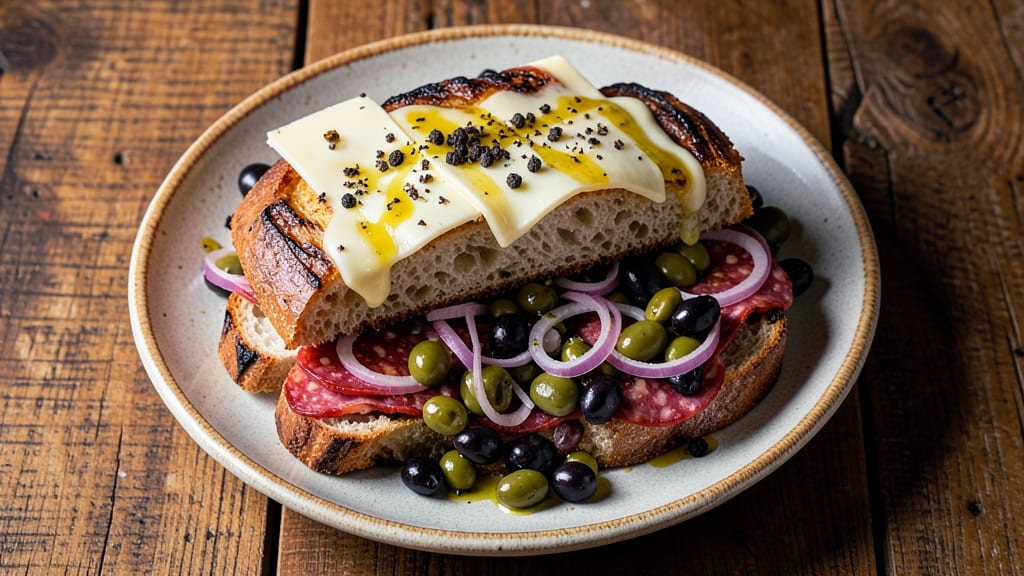
This authentic muffuletta bread recipe brings the bold, layered flavors of New Orleans to your lunch table—no shortcuts, just tradition. The key lies in the bread itself: a sturdy, slightly sweet Italian loaf that holds up to the hearty fillings without crumbling.
I’ve perfected the technique over years of testing, ensuring every bite delivers that perfect balance of salty, briny, and savory notes that define this Sicilian-inspired sandwich.
The magic happens in the assembly, where mortadella, salami, and provolone create a rich, meaty base, while the olive salad and lettuce add freshness and crunch.
What makes this recipe truly authentic is the layering order—each component must be arranged just right to prevent sogginess and achieve that signature "poor man’s pizza" texture. The bread is lightly toasted to crisp the edges without drying out the fillings, creating a satisfying contrast with every bite.
What you’ll end up with is a towering, flavor-packed sandwich that’s as impressive to look at as it is to eat. The combination of cured meats, briny olives, and tangy olive salad creates a symphony of flavors that’s both hearty and balanced.
This isn’t just a sandwich—it’s a celebration of New Orleans’ culinary heritage, brought to life in your kitchen.
Whether you’re serving it at a family gathering or enjoying a solo lunch, this muffuletta delivers restaurant-quality results with a homemade touch. The bread stays fresh for days, and the fillings can be prepped ahead, making it the perfect meal for busy weekdays or special occasions.
Let’s get started on creating this iconic dish.
Ingredients for authentic muffuletta bread
Here's what you need to assemble this iconic New Orleans sandwich with authentic layers.
| Ingredient | Amount | Notes |
|---|---|---|
| Italian Muffuletta Bread Loaf 🍞 | 1 whole | Slightly sweet, sturdy loaf |
| Mortadella 🥓 | 8 oz | Italian cured pork sausage |
| Genova Salami 🥓 | 6 oz | Dry-cured Italian salami |
| Provolone Cheese 🧀 | 8 oz | Sliced, semi-soft variety |
| Black Olives 🫒 | 1 cup | Pitted, sliced or whole |
| Green Olives 🫒 | ½ cup | Pitted, sliced or whole |
| Red Onion 🧅 | 1 whole | Thinly sliced, fresh |
| Fresh Lettuce 🥬 | 1 head | Iceberg or romaine |
| Olive Oil 🫒 | ¼ cup | Extra-virgin for drizzling |
| Red Wine Vinegar 🍷 | 2 tbsp | For olive salad dressing |
| Garlic Cloves 🧄 | 2 cloves | Minced for dressing |
| Dried Oregano 🌿 | 1 tsp | For dressing seasoning |
| Salt 🧂 | ½ tsp | Kosher or sea salt |
| Black Pepper 🌶️ | ¼ tsp | Freshly ground |
The bread is non-negotiable—this isn't your average sandwich loaf. Look for Italian muffuletta bread at specialty bakeries or Italian markets (I swear by Vincent's Bakery in New Orleans if you're local). If you can't find it, a sturdy Italian loaf like ciabatta works in a pinch, but it won't have that signature sweetness. The cured meats? Mortadella and salami are essential—don't substitute with hot dogs or bologna. For the olives, Kalamata or Gaeta varieties add that briny depth. If you're feeling fancy, grab some Castelvetrano olives for the green ones—they're sweeter and less bitter.
No mortadella? Prosciutto and soppressata can stand in, but it won't be the same. The olive salad dressing can be made ahead—just mix everything together and let it sit for at least 30 minutes before assembling. For the cheese, provolone is key, but if you're near a deli, ask for scamorza—it melts beautifully. The lettuce should be crisp, so iceberg holds up better than butter lettuce. Want to skip the olives? Add extra lettuce and tomato for freshness, but you'll lose that signature briny note. The garlic in the dressing can be adjusted—skip it if you're sensitive to strong flavors.
The bread stays fresh for 3-4 days wrapped in a towel, but the fillings can be prepped a day ahead. Store the cured meats in their packaging in the fridge, and the olive salad keeps for 5 days in the fridge. For assembly day, take the bread out 1 hour before serving to let it warm up slightly—it makes all the difference. If you're making multiple muffulettas, toast the bread lightly before assembling to prevent sogginess. Leftovers? Slice and reheat in the oven for 5 minutes at 350°F—the best way to revive that toasted texture.
Why You'll Love This Recipe
- No-Slice Required: I’ll be honest—this isn’t one of those recipes where you’re stuck chopping bread for hours. Grab a serrated knife, slice the loaf once lengthwise, and you’re done. The crust stays intact, the filling holds, and honestly? It’s a relief after a long day.
- Salty-Sweet Magic: That first bite of mortadella’s herby richness, the salami’s sharp kick, and the olives cutting through the provolone’s melt—it’s like someone packed an entire Italian deli into one sandwich. My kids still fight over the last piece, and I don’t even pretend to stop them.
- Lunchbox Hero: Pack it cold for work or school—no reheating needed. The bread stays sturdy, the filling doesn’t slide, and between us? It’s the only sandwich that actually feeds you. I’ve sent these to my husband’s office, my daughter’s soccer games, and even my mom’s book club. Zero complaints.
- Dollar Stretcher: A single loaf feeds four for lunch, and the leftovers? Even better the next day. The salami and mortadella last weeks in the fridge, so you’re not scrambling to use them up. Plus, olives and provolone are cheap enough that I can afford to make this twice a week without flinching.
Step-by-step instructions for assembling an authentic muffuletta
Here's how to build this iconic New Orleans sandwich layer by layer.
Prepare the Olive Salad Dressing
In a medium bowl, combine the 1 cup black olives, 0.5 cup green olives, and 1 whole red onion that's been thinly sliced. This mix forms the flavorful base of your muffuletta's olive salad.
In a small separate bowl, whisk together the 0.25 cup olive oil, 2 tbsp red wine vinegar, 2 cloves minced garlic, 1 tsp dried oregano, 0.5 tsp salt, and 0.25 tsp black pepper. Pour this dressing over the olive mixture and toss gently to coat. Let it sit for 5 minutes to allow the flavors to meld together - you'll notice the onions soften slightly and the olives absorb the tangy dressing.
Slice and Layer the Meats and Cheese
Using a sharp knife, carefully slice the 1 whole Italian Muffuletta bread loaf horizontally in half to create two equal rounds. The bread should be about 1.5 inches thick - if it's not, adjust your cuts accordingly. Keep both halves intact for now.
Slice the 8 oz mortadella and 6 oz Genova salami into ¼-inch thick pieces. For the 8 oz provolone cheese, slice into ⅛-inch thick pieces. Arrange half of each meat and all of the cheese on the bottom bread half, creating a single layer. The order doesn't matter for authenticity - layer them however you prefer, but make sure each type is evenly distributed.
Assemble the Final Layers
Spread the olive salad mixture evenly over the meat and cheese layer, pressing down gently to help it adhere. The dressing should cover all the exposed surfaces completely - if it looks too thick, spread it more thinly to prevent sogginess.
Place the top bread half onto the assembly, pressing down firmly but gently to compress the layers slightly. You'll feel the bread absorb some of the olive salad dressing. Wrap the completed muffuletta tightly in plastic wrap or aluminum foil, then place it in the refrigerator to chill for at least 1 hour before serving. This chilling time allows all the flavors to meld together perfectly.
Prepare the Lettuce and Final Presentation
While the muffuletta chills, separate the 1 head fresh lettuce into individual leaves. Rinse them thoroughly and pat dry with paper towels. The lettuce should be completely dry to prevent any sogginess when serving.
When ready to serve, carefully slice the muffuletta diagonally into 4 equal wedges. Arrange the lettuce leaves on a large platter, then place each wedge on top of a lettuce leaf. The lettuce acts as both a fresh contrast and a practical way to serve each portion without the sandwich falling apart.
Pro Tips For Making Authentic Muffuletta Bread
- Slice the Mortadella Thin: Italian mortadella has a dense, fatty texture that can turn a muffuletta into a greasy mess if not handled right. Use a sharp knife to slice it paper-thin—no thicker than ⅛-inch—or the bread will get soggy from all that rendered fat. I learned this the hard way after one slice oozed through my first attempt.
- Rest the Salami First: Genova salami is rock-hard when straight from the package, and forcing it into the bread will leave you with uneven chunks. Let it sit at room temperature for 20-30 minutes before slicing—it’ll become pliable enough to layer neatly without crumbling. (Yes, even if you’re impatient like me.)
- Pack the Olives Tight: Don’t just scatter those black olives like confetti. Press them firmly into the bread’s crevices so they stay put when you slice it later. A spoon or the flat side of a knife works—just don’t mash them, or you’ll turn the muffuletta into a briny paste. My grandmother swore by this, and she was right: loose olives = sad sandwiches.
- Toast the Bread Slightly: A muffuletta’s crust should be crisp, not gummy. Before assembling, toast the Italian bread loaf for 3-4 minutes at 375°F (190°C) until the edges are just golden. This locks in moisture and prevents the filling from turning the bread into a soggy sponge. (I skip this when I’m lazy, but the dish is noticeably better when I don’t.)
Essential equipment for perfect results
Bread Slicing Tools
The most important tool for creating authentic muffuletta bread is a serrated bread knife—I swear by the Victorinox 8-inch model. Its sharp, jagged edge glides through the dense Italian bread without crushing it.
For larger batches, a pull-style bread slicer like the OXO Good Grips makes quick work of cutting multiple loaves evenly. Avoid regular knives—they'll squash the bread and make assembly messy. 🔪
Meat Slicing Essentials
Precision matters when slicing mortadella and salami. A long, flexible slicing knife (like the Dexter-Russell 12-inch) gives you the control to cut ¼-inch thick slices without tearing. For cheese, a sharp chef's knife works best—ask your deli counter for pre-sliced provolone if you're short on time.
Never use a dull knife; it'll crush the delicate textures of these cured meats. 🧀
Olive and Onion Prep
Use a mandoline slicer (like the OXO Good Grips) for perfectly thin red onion slices—it's safer than freehand cutting and gives consistent results. For olives, a small pairing knife works perfectly for pitting and chopping.
I store my olives in a glass jar with a tight-sealing lid to keep them fresh between uses. A garlic press saves time when mincing for the dressing. 🫒
Assembly and Chilling
For chilling, I recommend a large baking sheet lined with parchment paper to hold the wrapped muffuletta flat. A digital kitchen scale helps ensure even meat distribution—aim for 4 oz of meat per half of the bread.
For slicing after chilling, a sharp serrated knife (like the Mercer Culinary Genesis) cuts cleanly through the compressed layers. 🧊
Serving Presentation
No fancy tools needed here—just a large wooden board or slate platter for serving. Use paper towels to pat lettuce dry before assembly. For extra flair, I like a small olive oil drizzler (like the Laporte) to add final touches.
A serving knife with a serrated edge helps slice the wedges neatly. 🍽️
Nutrition facts
Frequently asked questions
What makes this bread different from regular sandwich bread?
The muffuletta bread is a specialty Italian loaf with a slightly sweet flavor and dense, sturdy texture that can handle the heavy fillings without falling apart. Unlike soft white bread, it has a firmer crust and chewy interior that holds up perfectly to the cured meats and olive salad.
Can I substitute any of the meats or cheeses?
While you can make substitutions, the mortadella and salami are essential for authentic flavor. For cheese, provolone is key, but you could use scamorza if available. If you must substitute meats, try prosciutto and soppressata, but it won't be exactly the same. The olive salad and lettuce are non-negotiable for that signature briny-fresh contrast.
How do I keep the bread from getting soggy?
To prevent sogginess, lightly toast the bread before assembling if making ahead, and always use completely dry lettuce. Press down gently when layering to help the bread absorb moisture, and chill the assembled sandwich for atstrong>1 hour before slicing. The cold helps set the layers. For extra insurance, wrap tightly in foil and refrigerate.
Why does the recipe call for chilling before serving?
Chilling for at least 1 hour allows all the flavors to meld together and helps the bread absorb the olive salad dressing without getting mushy. It also makes slicing cleaner and more precise. The cold temperature firms up the bread slightly, preventing the fillings from sliding around when you cut it. Think of it like letting a cake set before serving.
How long will this keep, and can I make it ahead?
The assembled muffuletta stays fresh for 2-3 days wrapped in the fridge. You can prep all components a day ahead—just store the meats and cheese separately, and assemble when ready. The olive salad keeps for 5 days in the fridge. For best texture, slice and serve within 24 hours of assembly. Leftovers? Reheat slices for 5 minutes at 350°F to revive that toasted bread flavor.