
Main Courses
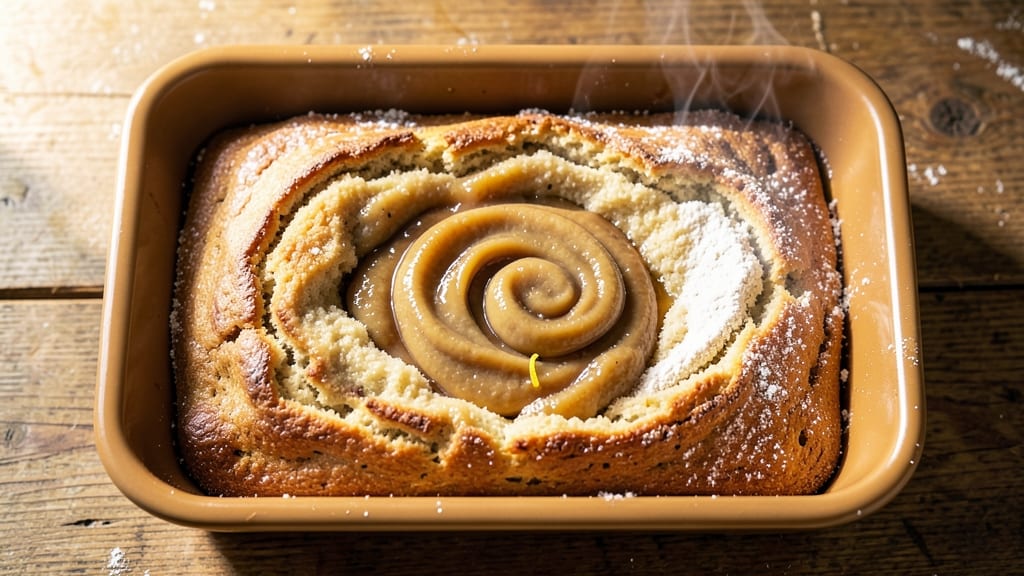
This banana bread recipe calls for 3/4 cup butter to create the rich, moist crumb that makes every slice irresistible. The secret lies in the butter's role—it tenderizes the flour while creating pockets of air that give the bread its signature softness. I've baked this version countless times, and the buttery depth is what transforms it from good to unforgettable.
What sets this recipe apart is the balance of spices—cinnamon, nutmeg, and allspice—infused into the batter while warm. These aromatics wake up the flavors, making each bite taste like a cozy kitchen memory. The butter also helps bind the bananas and eggs, ensuring the bread stays tender even after cooling.
By the time it emerges from the oven, you'll have a loaf with a golden crust and a moist interior that crumbles just slightly at the edges. The butter's richness carries through every slice, making it perfect for breakfast or an afternoon treat.
This isn't just banana bread—it's the kind that becomes a household staple.
For extra indulgence, fold in walnuts or chocolate chips, but the classic version with just butter, bananas, and spices delivers on its own. The recipe is foolproof, with a 50–60 minute bake time at 350°F that guarantees consistent results. Let's make it—your kitchen will smell like comfort in minutes.
Ingredients for a banana bread recipe calls for 3/4 cup butter
Rich butter and ripe bananas create the signature moist crumb—no substitutes needed for this classic.
| Ingredient | Amount | Notes |
|---|---|---|
| Unsalted Butter 🧈 | ¾ cup | Room temperature for mixing |
| Ripe Bananas 🍌 | 3 medium | Mashed to 1.5 cups |
| Granulated Sugar 🍚 | 1 cup | Light brown preferred |
| All-Purpose Flour 🌾 | 2 cups | Sifted for light texture |
| Large Eggs 🥚 | 2 whole | Room temperature |
| Baking Soda 🧂 | 1 tsp | Freshly measured |
| Ground Cinnamon 🌿 | 2 tsp | Toasted for depth |
| Ground Nutmeg 🌿 | ½ tsp | Freshly grated preferred |
| Ground Allspice 🌶️ | ½ tsp | For warmth |
| Salt 🧂 | ½ tsp | Kosher or sea salt |
| Vanilla Extract 🍯 | 1 tsp | Pure vanilla preferred |
| Milk 🥛 | ½ cup | Any variety works |
The butter is non-negotiable here. Land O'Lakes unsalted or Organic Valley both work perfectly, but avoid salted—it throws off the balance. Room temperature butter mixes better, so take it out 30 minutes before baking. For bananas, 3 medium ripe ones (black spots, squishy) give that perfect sweetness. If you're using Costco's organic bananas, they're usually riper faster than grocery store ones. The spices? Penzeys brand if you want to splurge, but the regular grocery store stuff is fine—just make sure they're fresh (no musty smell).
No vanilla extract? 1 tsp vanilla sugar (from a jar) works in a pinch, though it's not the same. Short on milk? Greek yogurt or buttermilk adds richness, but adjust the baking soda to 1.5 tsp if using yogurt. The sugar can be swapped for turbinado or coconut sugar, but granulated dissolves most evenly. For extra moisture, add 2 tbsp sour cream to the batter. And if you're worried about overmixing, don't—banana bread is forgiving. The flour? King Arthur or Gold Medal brands are my go-tos for consistent results.
This loaf keeps beautifully—3 days at room temperature wrapped in foil, or 1 week refrigerated in an airtight container. For longer storage, slice and freeze portions for up to 3 months. I like to toast slices the next day—the butter flavor really sings when reheated. The batter can be made ahead and refrigerated for 24 hours before baking, though it might need an extra 5-10 minutes in the oven. And if you're making two loaves? Double the butter and bananas—this recipe scales perfectly.
Why You'll Love This Recipe
- Butter-Kissed Richness: That ¾ cup of unsalted butter? It’s what turns this from good to ridiculously good—moist, tender crumb with just the right melt-in-your-mouth fat. I’ll be real: I’ve tried lighter versions, but this one? It’s the kind of banana bread that makes you pause mid-slice to savor it.
- No-Fuss Mixing: Honestly, this recipe is the opposite of fussy. Mash those bananas, cream the butter and sugar, toss in the dry ingredients—no food processor, no fancy techniques. The eggs bind it all together while you’re still scraping the bowl. Fifteen minutes of active work, tops.
- Breakfast or Snack Hero: Between us, this bread is my go-to for anything. Toast it for breakfast with a smear of peanut butter, pack slices for lunch, or serve it at brunch when you’re too tired to bake from scratch. The flour-butter ratio keeps it sturdy enough to handle travel mugs but soft enough to eat straight from the pan.
- Pantry Goldmine: Here’s what sold me—this recipe uses staples you already have. No weird ingredients, no last-minute grocery runs. And the leftovers? They last forever in the fridge, or you can freeze slices for when you’re too lazy to reheat. Plus, butter and bananas are cheap—this is the kind of treat that doesn’t break the bank.
Step-by-step instructions for banana bread with buttery depth
Here's how to create a perfectly moist, rich banana bread with that signature buttery flavor.
Cream the Butter and Sugar Together
In a large mixing bowl, combine the 0.75 cup unsalted butter (at room temperature) with the 1 cup granulated sugar. Using an electric mixer on medium speed, beat these ingredients together for 3-4 minutes until light and fluffy. You'll notice the mixture nearly doubles in volume and takes on a pale, creamy texture.
This creaming process is crucial—it incorporates air into the batter, which creates that tender crumb we're after. If your butter isn't softened enough, the mixture will look greasy rather than light. To check, press your finger into the butter—it should leave a slight indentation but hold its shape. If it's too soft, chill the bowl for 10 minutes before proceeding.
Mix in the Bananas and Eggs
Add the 3 medium ripe bananas (mashed to 1.5 cups) to the butter-sugar mixture. Mix on low speed until fully combined, then add the 2 whole large eggs one at a time, mixing just until each is incorporated. Finally, stir in the 1 tsp vanilla extract and 0.5 cup milk. The batter should be smooth with a thick, custard-like consistency.
I always use ripe bananas for this recipe—they're sweeter and mash more easily. If your bananas are too firm, let them sit at room temperature for 15-20 minutes before mashing. The milk helps balance the richness of the butter while keeping the crumb tender. Don't overmix at this stage—just combine until everything is evenly distributed.
Combine Dry Ingredients and Fold Gently
In a separate bowl, whisk together the 2 cups all-purpose flour, 1 tsp baking soda, 2 tsp ground cinnamon, 0.5 tsp ground nutmeg, 0.5 tsp ground allspice, and 0.5 tsp salt. Sift the flour mixture directly into the wet ingredients, then gently fold with a spatula until just combined. Be careful not to overmix—you should still see some flour streaks in the batter.
The spices here create that classic banana bread warmth. I recommend toasting the cinnamon lightly in a dry pan for 1-2 minutes before grinding to deepen its flavor. The baking soda provides lift while keeping the texture tender. Once combined, the batter will be thick but pourable. If it seems too stiff, add 1-2 tablespoons of milk to help it flow more easily into your pan.
Bake to Golden Perfection
Preheat your oven to 350°F and grease a 9x5-inch loaf pan thoroughly with butter or line it with parchment paper. Pour the batter into the prepared pan and smooth the top with a spatula. Bake for 50-60 minutes, or until a toothpick inserted in the center comes out clean with just a few moist crumbs clinging to it.
The bread is done when the top is deep golden brown and springs back slightly when pressed. I like to tent the pan with foil after 30 minutes to prevent over-browning if my oven runs hot. For extra moisture, you can also pour 2 tablespoons of water into the bottom of the pan before adding the batter. Let the bread cool in the pan for 10 minutes, then transfer to a wire rack to cool completely before slicing.
Rest and Serve for Maximum Moisture
While the bread cools, here's the secret to keeping it moist: wrap the cooled loaf tightly in plastic wrap and refrigerate for at least 2 hours or up to 2 days. This step prevents the bread from drying out. When ready to serve, slice with a serrated knife and enjoy warm with a pat of butter or as part of a breakfast spread.
The bread will keep well at room temperature for 2 days or in the refrigerator for up to 5 days. For longer storage, freeze slices wrapped in plastic for up to 3 months. The buttery richness and moist texture come from that perfect balance of butter, bananas, and proper baking technique—don't skip any of these steps if you want that bakery-quality result.
Pro Tips For Making A Banana Bread Recipe Calls For 3/4 Cup Butter
- SOFTEN THE BUTTER FIRST: I learned this the hard way—measuring cold butter straight from the fridge means you’re mixing in lumps, and your batter will fight you. Take that ¾ cup out 30 minutes before you start, let it sit at room temp until it’s just yielding when pressed, not melted. That way, it blends smoothly with the sugar and bananas, giving you a lighter crumb instead of a dense brick.
- MASH THE BANANAS WELL: Skip the chunky bits—this isn’t banana bread smoothie. Use a fork to really break down those bananas until there’s no resistance left, almost like a thick purée. I used to leave streaks, and the texture suffered. If you’re lazy (like me), pop them in a food processor for 10 seconds—just enough to make them disappear.
- DON’T OVERMIX THE BATTER: Once you fold in the flour, stop after one turn of the spoon. Overmixing develops the gluten, and your banana bread turns out tough instead of tender. The batter should look shaggy, not smooth. Trust me, your future self will thank you when you cut into a moist, cakey loaf instead of a floury wall.
- USE A LIGHT HAND WITH SUGAR: That ¾ cup butter is rich enough—don’t drown it in sugar. If your recipe calls for 1 cup of granulated sugar, consider swapping half of it for brown sugar or even honey (just ¼ cup). The butter’s flavor shines better, and the bread stays moist longer. I used to go heavy on the sugar, and the result was more cake than bread. Less is more here.
Essential equipment for a banana bread recipe calls for 3/4 cup butter
Butter Tools Matter
The 0.75 cup unsalted butter is non-negotiable for that signature richness, so invest in quality tools. I swear by a stainless steel mixing bowl (like OXO Good Grips) for creaming—it conducts heat evenly and prevents butter from melting too fast.
A hand mixer with a paddle attachment (I use KitchenAid KHM5221) is ideal for achieving that light, fluffy texture without overworking the batter.
For measuring, a liquid measuring cup (like Pyrex) ensures precision—pack the butter in firmly to reach 0.75 cup.
A butter dish with a lid (such as Le Creuset) keeps it at room temperature perfectly for mixing, while a spatula with a flexible edge helps scrape every last bit from the bowl. These tools make the difference between homemade and bakery-quality results. 🧈
Pan Prep Essentials
A 9x5-inch loaf pan (preferably USA Pan) is your best bet—it holds heat well and ensures even baking. Grease it thoroughly with Land O'Lakes unsalted butter or line it with parchment paper to prevent sticking.
I also recommend a small offset spatula (like Meridian) for smoothing the batter evenly—this creates a domed top that bakes beautifully.
For extra insurance, I keep a toothpick nearby to test doneness—it should come out with moist crumbs but no wet batter. A wire cooling rack (like OXO Good Grips) is also essential for proper airflow as the bread cools, preventing a soggy bottom.
These tools work together to deliver that perfect golden crust and moist interior.
Spice Storage Tips
The spices—cinnamon, nutmeg, and allspice—are key to the flavor, so store them properly. I keep my Penzeys spices in amber glass jars (like Weck) to block light, which preserves freshness.
A mortar and pestle (such as Kuhn Rikon) helps grind whole spices for maximum aroma, while a small measuring spoon set ensures accurate 0.5 tsp portions.
For the baking soda, I always use a fresh container—old baking soda loses potency. A fine-mesh sieve (like OXO Good Grips) helps sift the flour evenly, preventing lumps.
These tools ensure your spices and dry ingredients are measured and mixed perfectly for that classic banana bread warmth. 🌿
Mixing Must-Haves
A large mixing bowl (at least 5-quart capacity) gives you room to combine all ingredients without spills. I use a rubber spatula (like Meridian) for folding in the dry ingredients—its flexible edge helps lift and turn the batter gently.
For the bananas, a fork or potato masher works best to avoid lumps, while a small whisk keeps the dry ingredients light and airy.
If you're making this frequently, consider a stand mixer (like KitchenAid Artisan) for larger batches. For smaller batches, a hand mixer (such as Black+Decker) is perfect.
These tools make mixing effortless and ensure a smooth, lump-free batter every time. The right tools turn a simple recipe into a stress-free baking experience. ✨
Nutrition facts
Frequently asked questions
Why does this banana bread recipe call for 3/4 cup butter instead of oil?
The butter creates that signature rich, moist texture that oil can't replicate. The fat content from butter tenderizes the flour while creating air pockets that give classic banana bread its signature soft crumb. For best results, use unsalted butter at room temperature—it mixes more smoothly and ensures even distribution throughout the batter.
Can I substitute butter with something else if I'm avoiding dairy?
Yes! You can use vegetable oil or melted coconut oil in a 1:1 ratio, though the texture will be slightly denser. For a closer match, try Earth Balance vegan butter (use 3/4 cup packed). The flavor won't be identical, but it'll still be delicious. Just be aware the bread may stay moist longer and not brown as beautifully.
What happens if I accidentally use salted butter instead of unsalted?
Your bread won't be ruined, but the flavor balance will shift slightly. To compensate, reduce the added salt to 1/4 tsp (instead of 1/2 tsp). The extra sodium will make the spices and banana flavors stand out more, so adjust to taste. For future batches, always stick with unsalted butter—it gives you complete control over the seasoning.
How do I know when my butter is at the right temperature for mixing?
Press your finger gently into the butter—it should leave a slight indentation but still hold its shape. If it's too soft and spreads easily, chill the bowl for 10-15 minutes. If it's too firm, let it sit at room temperature for another 15-20 minutes. Room temp butter (around 65-68°F) mixes best for that light, fluffy texture we want.
Can I make this recipe with less butter to reduce calories?
I don't recommend it—reducing butter affects both flavor and texture. The butter is what makes this banana bread special! If you're watching calories, try using light butter (like Land O'Lakes Light) or reducing by 1-2 tablespoons at most. For every 1 tbsp butter removed, add 1 tbsp unsweetened applesauce to maintain moisture.