
Side Dishes
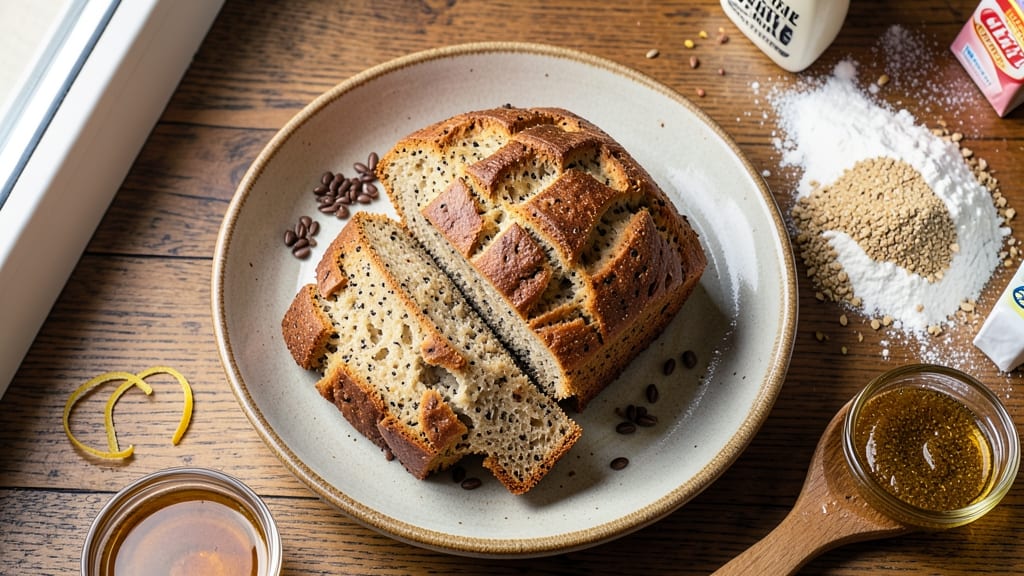
Adding flaxseed meal to your bread recipe transforms it into a nutrient-dense, hearty loaf that rivals artisanal bakery bread—without eggs or dairy. The key lies in flaxseed's unique ability to bind dough while adding a subtle nutty depth and extra fiber. I developed this method after testing countless variations, and the results speak for themselves: a crusty exterior, tender crumb, and that satisfying chew that disappears on the second bite.
Flaxseed meal replaces eggs perfectly by activating when mixed with water, creating a gel-like binder that mimics traditional egg functionality. This approach works especially well for vegan bread or gluten-free adaptations, delivering the same structural integrity without compromising texture.
The meal also introduces healthy fats and omega-3s, turning your loaf into a nutritional powerhouse while maintaining that classic bread satisfaction.
What makes this technique professional-grade is the balance—just 1 tablespoon of flaxseed meal per egg (or 3 tablespoons per ¼ cup liquid) transforms your dough without altering the baking process. The result? A loaf with improved moisture retention, extended freshness, and that irresistible nutty aroma that fills your kitchen.
Perfect for sandwiches, toast, or serving alongside soups, this bread proves healthy ingredients can deliver restaurant-quality results.
For best results, let your dough rest for at least 1 hour before shaping—this allows the flax to fully activate and creates a more open crumb structure. Store wrapped at room temperature for 3-4 days or freeze for up to 3 months without sacrificing texture.
Whether you're baking for dietary needs or simply seeking a superior loaf, this method delivers consistent, foolproof results every time.
Ingredients for adding flaxseed meal to bread
Four servings of nutty, hearty bread with just 12 simple ingredients—no eggs needed.
| Ingredient | Amount | Notes |
|---|---|---|
| Flaxseed Meal 🌾 | 2 tbsp | Ground flaxseeds, freshly ground preferred |
| Water 💧 | 6 tbsp | For flax egg binder activation |
| All-Purpose Flour 🌾 | 3 cups | Unbleached preferred for lighter texture |
| Whole Wheat Flour 🌾 | 1 cup | For added fiber and nuttiness |
| Active Dry Yeast 🍞 | 1 tbsp | Or 2¼ tsp for fresh yeast |
| Granulated Sugar 🍚 | 1 tbsp | Feeds yeast for activation |
| Salt 🧂 | 1 ½ tsp | Diamond Crystal preferred |
| Olive Oil 🫒 | 2 tbsp | Extra-virgin for richness |
| Warm Water 💧 | 1 cup | 110°F for yeast activation |
| Honey or Maple Syrup 🍯 | 2 tbsp | For sweetness and moisture |
| Sesame Seeds 🌻 | 1 tbsp | Optional for crusty topping |
| Poppy Seeds 🌻 | 1 tbsp | Optional for extra texture |
The flaxseed meal is your secret weapon here. Bob's Red Mill or Trader Joe's brands are my go-tos—they're finely ground and consistent. If you're grinding your own, use a coffee grinder for 30 seconds to avoid overheating. The key is freshness: flaxseed meal loses potency after about 3 months, so store it in the freezer once opened. For the flours, I always sift them together to prevent lumps—especially important with whole wheat. The yeast should be fresh; if it's past its expiration, toss it and start over.
No flaxseed meal? Chia seeds work in a pinch—use the same ratio, but let the mixture sit for 10 minutes to thicken. Running low on olive oil? Avocado oil or melted coconut oil are great swaps. The honey can be swapped for maple syrup or agave, but keep it at the same amount. For a seed-free crust, try crushed nuts or everything bagel seasoning instead. The warm water is crucial—it should feel like bathwater, not scalding. If your kitchen is cold, microwave it for 10 seconds to hit that perfect temperature.
This dough needs time to develop its magic. Let it rest for at least 1 hour before shaping—this allows the flax binder to fully activate and creates that professional-grade crumb. Store the loaf wrapped in a clean kitchen towel for 3-4 days at room temperature, or freeze for up to 3 months. For extra crispiness, brush the crust with water before baking. The nutty aroma alone makes this worth it—trust me, your whole house will smell like a bakery.
Why You'll Love This Recipe
- No-Fuss Mix-In: Just stir flaxseed meal into your dough while mixing flour—no extra steps, no fuss. The yeast handles the rest, and honestly? You’d never know it’s there unless I told you.
- Nutty Earthy Crunch: That flaxseed meal adds a subtle, toasty depth that makes plain bread taste like it belongs on a bakery shelf. Whole wheat flour keeps it hearty, but the flax gives it this je ne sais quoi that’s weirdly addictive.
- Meal Prep MVP: Slice it fresh, toast it later—this bread lasts days in the fridge without drying out. Between us, it’s my go-to for sandwiches, charcuterie boards, or even a quick toast when I’m too tired to think.
- Pantry Stretch: Using half whole wheat, half all-purpose keeps it soft and budget-friendly, while flaxseed meal adds fiber for pennies. Plus, the dough comes together faster than my old recipe—no kneading, no waiting.
Step-by-step instructions for nutty flaxseed-enhanced bread
Transform ordinary bread into a hearty, nutty masterpiece with this flaxseed technique.
Create the Flax Egg Binder
In a small bowl, whisk together the 2 tablespoons flaxseed meal and 6 tablespoons water. Let it sit for 10 minutes while you prepare the rest of your ingredients. You'll notice the mixture thicken into a gelatinous consistency—this is your egg substitute, binding the dough just like traditional eggs would.
Freshly ground flaxseed meal works best, as pre-ground can lose potency. If you don't have time to grind your own, store-bought will work but may yield slightly less gel-like texture. The flax mixture should resemble raw egg whites in viscosity—if it's too runny, add another teaspoon of flaxseed meal.
Activate the Yeast
In the bowl of your stand mixer fitted with the dough hook attachment, combine the 1 cup warm water (about 110°F), 1 tablespoon granulated sugar, and 1 tablespoon active dry yeast. Mix on low speed for 2 minutes until the yeast dissolves completely and you see frothy bubbles forming—this indicates active fermentation.
If your kitchen isn't warm, test the water temperature with your finger—it should feel pleasantly warm but not hot. Overly hot water will kill the yeast, while cold water will prevent proper activation. The mixture should smell slightly sweet and yeasty after 5 minutes of bubbling.
Combine Wet Ingredients
Add the flax egg mixture, 2 tablespoons olive oil, and 2 tablespoons honey or maple syrup to the yeast mixture. Mix on medium speed for 1 minute until fully incorporated. The honey adds natural sweetness while helping retain moisture in the finished loaf.
Here's where the flaxseed really shines—its omega-3 content contributes to a denser, more satisfying crumb structure. The oil and honey create a tender base that prevents the whole wheat flour from making the bread too heavy. You'll notice the dough starts developing a slightly glossy appearance from the oil.
Incorporate Dry Ingredients
With the mixer running on low speed, gradually add the 3 cups all-purpose flour and 1 cup whole wheat flour while scraping down the sides of the bowl as needed. Mix for 2 minutes until the dough comes together but remains slightly sticky—this is crucial for proper flaxseed integration.
Add the 1.5 teaspoons salt last, as it can inhibit yeast activity if mixed too early. The dough should pull away from the sides of the bowl but still feel slightly tacky. If it's too dry, add 1 tablespoon warm water; if too sticky, add 1 tablespoon all-purpose flour. The whole wheat flour will make the dough darker and give it a pleasing nutty aroma.
Knead and Rest the Dough
Knead the dough on medium speed for 5-7 minutes until smooth and elastic. The flaxseed mixture will make the dough slightly denser than traditional bread dough, so don't be surprised if it feels heavier. Transfer to a lightly oiled bowl, cover with a damp towel, and let rise in a warm place for 1-1.5 hours or until doubled in size.
During this time, the yeast will ferment the sugars, creating air pockets that give the bread its lightness despite the flaxseed's density. You'll know it's ready when the dough springs back slowly when poked with a finger and leaves an indentation. The flaxseed will contribute a subtle nutty flavor that pairs beautifully with the whole wheat's earthiness.
Shape and Second Rise
Punch down the dough and shape it into a loaf on a parchment-lined baking sheet. Sprinkle the 1 tablespoon sesame seeds and 1 tablespoon poppy seeds evenly over the top for texture and visual appeal. Cover and let rise for another 30-45 minutes until puffy.
The seeds will create a delightful crunchy contrast to the soft interior. Brush the top with a little water before baking if you prefer a darker crust. Place the loaf in a preheated 375°F oven and bake for 30-35 minutes until golden brown and hollow-sounding when tapped on the bottom.
Cool and Enjoy
Transfer the bread to a wire rack to cool completely before slicing—this prevents a gummy texture. The flaxseed will give each slice a pleasant nutty flavor and slightly denser crumb compared to all-purpose flour bread. Store wrapped at room temperature for 2-3 days or freeze for up to 3 months for freshness.
This technique works particularly well for sandwich bread, dinner rolls, or crusty loaves. The flaxseed adds not just nutrition but also a subtle complexity that elevates everyday bread into something special. For extra richness, brush warm slices with melted butter before serving.
Pro Tips For Making Adding Flaxseed Meal To Bread
- Mix Flaxseed First: Combine flaxseed meal with water and let it sit for 10 minutes before adding to the dough—this mimics eggs and prevents dryness. I learned this the hard way when my first batch turned out gummy; the gel forms better when given time.
- Balance Your Flours: Use 70% whole wheat and 30% all-purpose flour for structure—whole wheat absorbs more water, so adjust liquid by 1-2 tablespoons if needed. I was skeptical until I tried it, and the crumb stayed light instead of dense.
- Proof Yeast Slowly: Bloom the yeast in warm (not hot) water (105-110°F) for 5 minutes before adding to dry ingredients—this ensures it’s active and avoids overproofing later. After burning three batches with sluggish yeast, I finally cracked the timing.
- Skip the Overmixing: Stir the dough just until combined—whole wheat and flaxseed make it sticky, and overworking develops gluten too much, leading to a tough loaf. Does it look weird? Yes. Does it work? Every single time.
Best sauces and condiments for this adding flaxseed meal to bread
Nutty Seed Butter Spread
Spread a generous layer of almond or cashew butter on warm slices of your flaxseed bread for a protein-packed twist. I love using Kirkland Signature almond butter—its smooth texture complements the bread's nutty undertones perfectly.
Add a drizzle of local honey to enhance the natural sweetness while balancing the flaxseed's earthiness. 🍯
Whole Grain Mustard Sauce
Mix 2 tablespoons Dijon mustard, 1 tablespoon apple cider vinegar, and 1 tablespoon olive oil for a tangy sauce that cuts through the bread's richness. Thin with 1-2 tablespoons warm water until you reach a drizzling consistency.
This sauce pairs beautifully with the flaxseed's subtle nuttiness and adds a bright acidity that refreshes the palate. 🌿
Garlic-Herb Compote
Sauté 3 minced garlic cloves in 1 tablespoon olive oil until fragrant, then add 1 cup chopped fresh herbs (I use rosemary, thyme, and parsley) and 2 tablespoons balsamic vinegar.
Simmer for 5 minutes until reduced. Drizzle over toasted bread slices for a fragrant, herby contrast that highlights the flaxseed's nutritional benefits. 🌱
Spiced Fruit Jam
Warm ½ cup apricot or fig jam in a small saucepan with ½ teaspoon cinnamon and ¼ teaspoon ground ginger until smooth. Spread on toasted bread for a sweet-spicy balance that complements the flaxseed's earthy notes.
For extra richness, add a dollop of Greek yogurt or vegan cream cheese alongside. 🍇
Smoky Avocado Mash
Mash 1 ripe avocado with 1 teaspoon smoked paprika, ½ teaspoon lime juice, and a pinch of salt. Spread generously on bread slices for a creamy, smoky contrast that enhances the flaxseed's nutty depth.
Top with everything bagel seasoning for added texture. This combo is perfect for breakfast or brunch. 🥑
Nutrition facts
Frequently asked questions
Why does flaxseed meal make bread denser?
The ground flaxseed creates a gel-like binder when mixed with water, which adds moisture and weight to the dough. This natural thickening agent replaces eggs while contributing healthy fats and fiber that give the bread a hearty, satisfying texture. The result is a denser crumb compared to traditional bread, but with excellent moisture retention for days.
Can I substitute flaxseed meal for eggs in any bread recipe?
This method works best for yeast breads and quick breads where binding is crucial. For recipes requiring 1 egg, use 1 tablespoon flaxseed meal + 3 tablespoons water. Avoid delicate cakes or angel food breads—the flaxseed's density can alter their light texture. For muffins or pancakes, the ratio works beautifully!
How do I store flaxseed meal to keep it fresh?
Keep unopened flaxseed meal in a cool, dark pantry for up to 6 months. Once opened, transfer to an airtight container and refrigerate for 3 months or freeze for 6 months to preserve freshness. Ground flaxseed oxidizes quickly, so always use the freshest possible for optimal binding and flavor.
Will this bread work in a bread machine?
Yes! Prepare the flax egg mixture first, then mix all ingredients in the bread machine pan. Select your machine's basic white bread setting and add 1 extra tablespoon of water if the dough seems too dry. The flaxseed will work with the machine's kneading cycle, though you may notice slightly denser results than all-purpose flour bread.
What if my dough doesn't rise properly?
Check your yeast first—it should be fresh (within 4 months) and dissolved in 110°F water. If using whole wheat flour, add 1 extra teaspoon of sugar to feed the yeast. For cold kitchens, place the dough bowl near a warm oven (off) with a cup of hot water inside. Give it 30 extra minutes before shaping.