
Side Dishes
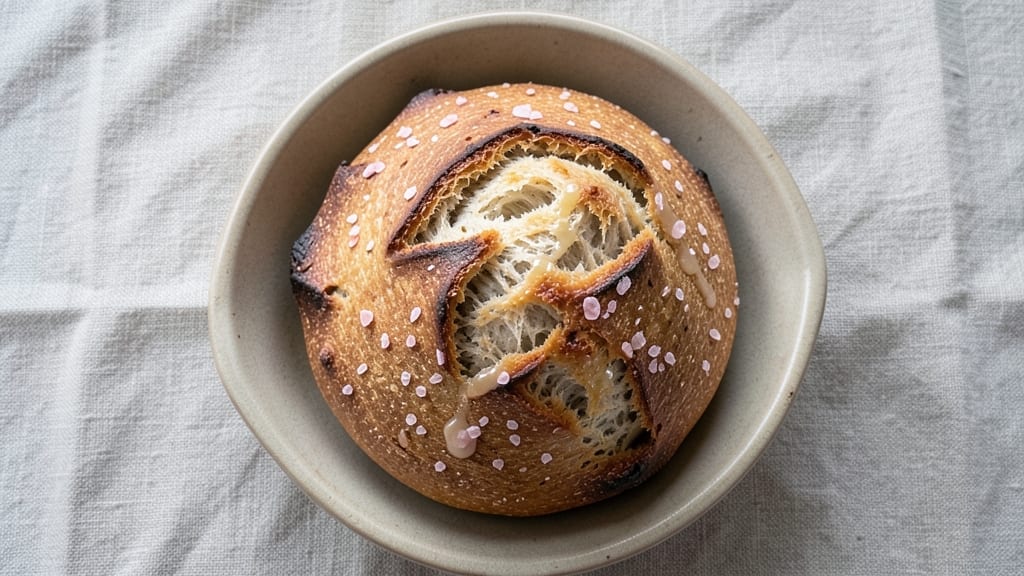
This AIP sourdough bread recipe delivers all the tangy depth and satisfying chew of traditional sourdough without gluten, grains, or dairy. The secret lies in a blend of almond flour, coconut flour, and psyllium husk—creating a structure that rises beautifully while staying compliant with strict dietary needs.
I developed this after years of experimenting with AIP baking, and it finally achieves that perfect balance of airy crumb and crisp crust.
The fermentation process is where the magic happens—just like traditional sourdough, but with a vegan starter made from filtered water and psyllium husk. This creates the signature tang while maintaining a light, fluffy texture.
The bread bakes up golden-brown with a satisfying crunch, proving that AIP baking can be just as rewarding as conventional recipes.
What makes this recipe work is the precise ratio of flours and the careful fermentation timing. No special equipment is needed beyond a loaf pan, and the dough comes together in under 10 minutes.
The result? A gluten-free loaf with the same satisfying pull-apart texture and rich flavor that makes sourdough so beloved.
Perfect for toast, sandwiches, or simply enjoyed with butter (or AIP-compliant alternatives), this bread stays fresh for days when stored properly. The tangy depth comes through in every slice, making it a game-changer for AIP bakers who've missed traditional sourdough.
Ingredients for aip sourdough bread
Precision flours and fermentation create this AIP sourdough’s signature tang and texture without gluten or grains.
| Ingredient | Amount | Notes |
|---|---|---|
| Almond Flour 🌰 | 3 cups | Finely ground, unsweetened |
| Coconut Flour 🥥 | ½ cup | Sifted for even distribution |
| Psyllium Husk Powder 🌿 | ¼ cup | Pure, unsweetened |
| Filtered Water 💧 | 1 ½ cups | Room temperature preferred |
| Apple Cider Vinegar 🍎 | 1 tbsp | Raw, unfiltered preferred |
| Himalayan Pink Salt 🧂 | 1 ½ tsp | Fine grain preferred |
| Xanthan Gum 🧪 | ½ tsp | Ensures proper structure |
| Baking Soda 🍞 | ½ tsp | Aluminum-free preferred |
| Tapioca Starch 🌾 | ¼ cup | For improved texture |
| Coconut Oil 🥥 | ½ cup | Melted, not solid |
| Coconut Milk (Full-Fat) 🥛 | ¼ cup | For moisture and richness |
| AIP-Compliant Egg Replacer 🍳 | ½ cup | Flax eggs or chia gel |
The almond flour is non-negotiable—Bob’s Red Mill brand delivers the finest grind for optimal rise. Coconut flour absorbs moisture aggressively, so measure it by weight if possible—spooning leads to overestimation. Psyllium husk powder must be pure; NOW Foods offers a reliable option. For the starter, use filtered water to avoid mineral interference with fermentation. Apple cider vinegar adds tang—raw, unfiltered brands like Bragg contain beneficial enzymes. Store these dry ingredients in airtight containers away from light to preserve freshness for up to 6 months.
No almond flour? Sunflower seed flour works as a 1:1 substitute, though texture will differ slightly. Coconut flour shortages? Tapioca starch at double the amount mimics some binding properties. For the egg replacer, flax eggs (1 tbsp ground flaxseed + 3 tbsp water = 1 egg) create the necessary structure. The coconut milk should be full-fat—canned brands like Thai Kitchen provide the best creaminess. Xanthan gum is critical for gluten-free structure; avoid substitutes as they compromise texture. Pre-mix dry ingredients in a bowl with the salt and baking soda to streamline the process later.
Store the dry flour blend in an airtight container for up to 3 months—the psyllium husk maintains freshness longer than most flours. The starter mixture keeps in the fridge for 5 days if not used immediately, though fresh is always better. Baked loaves stay fresh for 4 days when wrapped in a clean kitchen towel, or freeze for 3 months for long-term storage. For reheating, wrap cooled loaves in foil and warm at 300°F for 10 minutes to restore crispness without drying.
Why You'll Love This Recipe
- No-Knead, No-Fuss Rise: I swear by the psyllium husk—it’s the secret weapon here. Mix, let it sit, and boom, you’ve got a sourdough texture without the hours of waiting or the elbow grease. My loaves are ready to eat in under 24 hours, not days.
- Nutty-Creamy Crunch: Almond and coconut flours team up for a bread that’s got character—tender inside, slightly crispy crust, and that faint tang from the apple cider vinegar. Honestly, it’s the kind of flavor that makes you forget it’s AIP.
- Meal Prep MVP: Slice it, toast it, or pack it—this bread holds up for days. I keep a batch in the freezer for lazy mornings or last-minute sandwiches. No sad, stale bread here; it stays fresh like it’s fresh-baked.
- Budget-Friendly Staple: Psyllium husk and flours might sound fancy, but they stretch further than wheat flour. Between us, this recipe costs me half what store-bought AIP bread does—and tastes way better. Win-win.
Step-by-step instructions for AIP sourdough bread
AIP sourdough requires precision and patience, but this method delivers a light, tangy loaf with proper rise and texture.
Mix the Wet Ingredients
In a medium bowl, combine the 1.5 cups filtered water, 1 tbsp apple cider vinegar, and 0.5 cup melted coconut oil. Stir until fully emulsified—the mixture should look smooth and slightly thickened. The vinegar adds tang while the coconut oil provides moisture and richness.
Next, whisk in the 0.5 cup AIP-compliant egg replacer (flax or chia gel) and 0.25 cup coconut milk (full-fat). The egg replacer mimics the binding properties of traditional eggs, while the coconut milk adds subtle creaminess. Let this mixture sit for 5 minutes to thicken slightly before proceeding.
Combine Dry Ingredients
In a separate large bowl, sift together the 3 cups almond flour, 0.5 cup coconut flour, 0.25 cup psyllium husk powder, 0.25 cup tapioca starch, 1.5 tsp Himalayan pink salt, 0.5 tsp xanthan gum, and 0.5 tsp baking soda. The psyllium husk is critical—it creates structure and elasticity in gluten-free bread.
Make a well in the center of the dry ingredients and pour in the wet mixture. Using a silicone spatula, gently fold until just combined—overmixing develops gluten-like proteins, which we want to avoid. The dough will be thick and sticky, resembling wet sand more than traditional bread dough.
Rest and Shape the Dough
Cover the bowl with a damp towel and let the dough rest at room temperature for 30 minutes. This allows the psyllium husk to hydrate fully and the flours to absorb moisture. The dough should become slightly more pliable but remain cohesive.
After resting, transfer the dough to a lightly oiled baking sheet. Using wet hands, gently shape it into a 9x5-inch loaf pan or freeform boule. Wet hands prevent sticking and help create a smooth surface. Tap the pan gently on the counter to remove any air bubbles.
Proof the Dough
Cover the shaped dough with a damp towel and let it proof at room temperature for 1.5 to 2 hours, or until it has risen by about 25-30%. The proofing time is critical—too short and the bread will be dense, too long and it may collapse. Look for a slight dome and small cracks on the surface.
Preheat your oven to 350°F while the dough proofs. The oven should be fully heated before baking—this ensures even rise and proper texture. Line a baking sheet with parchment paper for easy removal after baking.
Bake to Golden Perfection
Transfer the proofed dough to the preheated oven and bake for 45-50 minutes, or until the internal temperature reaches 205°F and the top is golden brown. The bread should sound hollow when tapped on the bottom. If the top browns too quickly, tent loosely with foil.
Remove from the oven and let the bread cool on a wire rack for at least 1 hour before slicing. This resting period allows the crumb to set properly. The final loaf should have a crisp crust, a light crumb, and that signature tangy depth from the apple cider vinegar.
Pro Tips For Making Aip Sourdough Bread
- Mix Psyllium Early: Mix the psyllium husk powder with all the water first—let it sit for 5 minutes until it turns into a thick, gel-like paste. I learned this the hard way: skipping this step means your dough will be sticky, uneven, and harder to shape, no matter how much you knead.
- Weigh Your Flours: Use a kitchen scale for almond and coconut flour—scooping leads to inconsistent batches. A single tablespoon too much coconut flour will make your bread dense, while too little almond flour weakens the structure. (Yes, even if you’re impatient like me.)
- Steam the Loaf: Place a metal bowl of boiling water on the oven rack before baking—this adds steam for the first 10 minutes. Without it, the crust forms too fast, leaving the inside gummy. Sounds weird, but it works: your bread will rise evenly and have that perfect chew.
- Rest the Dough Longer: Let the dough rest at least 2 hours (or overnight) after mixing. I was skeptical until I tried it: the psyllium needs time to fully hydrate and develop gluten-like elasticity. Skip this, and your bread will crack unpredictably during baking. (Your future self will thank you.)
Best sauces and condiments for this recipe
Tangy AIP Compotes
Brighten every slice with a strawberry-balsamic compote—simmer 1 cup sliced strawberries, 1 tbsp raw apple cider vinegar, and 1 tbsp coconut sugar for 10 minutes until thickened. The acidity mirrors the bread's tang while adding natural sweetness.
For a savory twist, try a roasted tomato jam with 1 cup diced tomatoes, 1 tsp dried oregano, and ½ tsp sea salt cooked down to a paste. 🍓
Rich Nut Butters
Spread almond butter or sunflower seed butter on warm slices for a protein-packed alternative to traditional butter. I recommend Primal Kitchen almond butter—its smooth texture and mild sweetness complement the bread's depth.
For extra richness, blend ½ cup cashews, 2 tbsp coconut oil, and 1 tsp vanilla extract into a creamy butter. Store in an airtight container for up to 2 weeks.
Herbed Olive Oil
Drizzle herbed olive oil over toasted slices for a Mediterranean-inspired finish. Mix ¼ cup extra-virgin olive oil with 1 tsp dried rosemary, 1 tsp dried thyme, and a pinch of Himalayan pink salt.
Let it infuse for 10 minutes before using. For a spicy kick, add ½ tsp red pepper flakes to the blend. This adds moisture and elevates the bread's natural flavors.
Fermented Condiments
Pair with AIP-compliant fermented condiments like sauerkraut juice or ginger-carrot pickle relish. The probiotics enhance digestion while adding complexity.
For the relish, blend 1 cup shredded carrots, 2 tbsp apple cider vinegar, 1 tbsp grated ginger, and ½ tsp sea salt, then ferment for 3 days. The tangy crunch cuts through the bread's richness beautifully. ✨
Sweet Toppings
Dulce de leche lovers can use coconut milk caramel—simmer 1 can full-fat coconut milk with ¼ cup coconut sugar until thickened. For a lighter option, mash ripe banana slices with 1 tsp cinnamon and warm briefly.
These toppings balance the bread's tang while keeping it AIP-compliant. Store caramel in an airtight container for 1 week.
Savory Spreads
Create a smoky avocado mash by blending 1 ripe avocado, 1 tbsp coconut milk, ½ tsp smoked paprika, and salt to taste. The creaminess contrasts the bread's crisp crust.
For a protein boost, mix 2 tbsp collagen peptides (AIP-approved) into the mash. This spread adds heartiness without overpowering the bread's delicate flavor. 💪
Nutrition facts
Frequently asked questions
Can I make this AIP sourdough without psyllium husk?
Psyllium husk is essential for structure and rise in this recipe—it mimics gluten's elasticity. Without it, the bread will be dense and crumbly. For a substitute, try 1 tbsp ground chia seeds mixed with 1 tbsp tapioca starch, but expect a slightly different texture. The psyllium creates that signature chewiness AIP bakers love.
Why does my AIP sourdough taste bland?
The tang comes from the apple cider vinegar and fermentation process. If yours tastes bland, try adding ½ tsp more vinegar to the wet ingredients or letting the dough proof 15-30 minutes longer. For extra depth, sprinkle 1 tsp dried herbs (like thyme or oregano) into the dry mix. The crust should also develop more caramelization during baking.
How do I store AIP sourdough to keep it fresh?
Wrap cooled loaves in a clean kitchen towel and store at room temperature for 4 days. For longer storage, freeze slices in a sealed bag for up to 3 months. To reheat, wrap frozen slices in foil and warm at 300°F for 10 minutes. The towel method prevents sogginess better than plastic wrap.
Can I use this dough for sandwiches?
Yes! This bread holds up well for sandwiches, especially when lightly toasted. For extra moisture, brush warm slices with herbed olive oil before assembling. The dense texture from almond flour prevents tearing, making it perfect for hearty fillings like smoked salmon or avocado mash. Just avoid overloading—it's not as sturdy as wheat bread.
What's the secret to getting a good rise?
The psyllium husk and proper proofing time are key. Ensure your dough rests 30 minutes after mixing, then proofs until it rises 25-30%. Use room-temperature ingredients and a warm spot (like a turned-off oven with light on) for proofing. The dough should spring back slightly when gently pressed—if it doesn't, it needs more time. Patience is crucial!