
Side Dishes
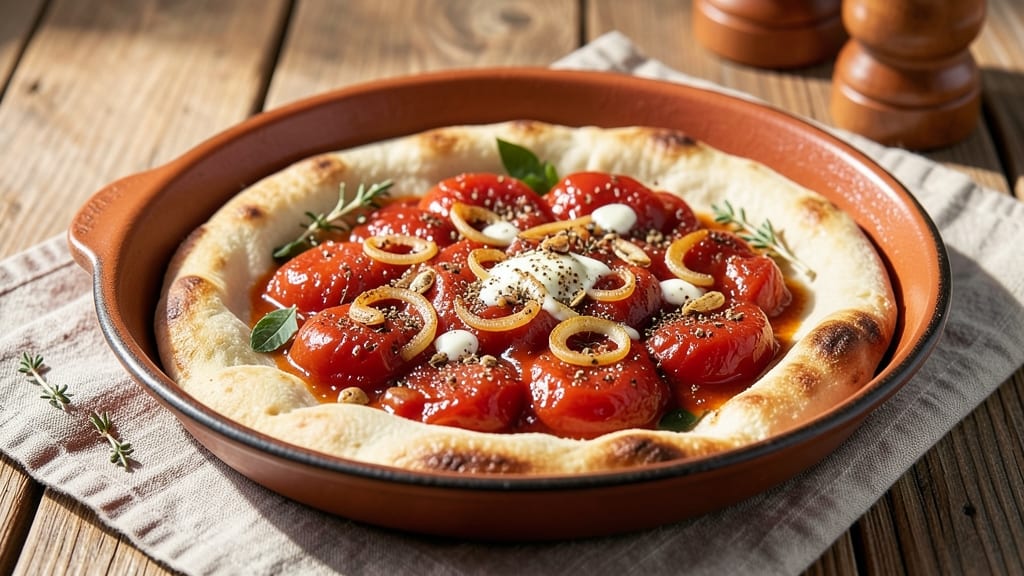
This Algerian bread matlouh recipe delivers the kind of restaurant-quality flaky layers that make every bite worth savoring. 🔥 The secret lies in perfectly rolled flatbread stuffed with spiced garlic butter, onions, and tomatoes—a dish that transforms simple ingredients into something extraordinary through careful layering and precise cooking.
What sets matlouh apart is its signature technique: thinly rolled flatbread sheets layered with a flavorful filling, then baked or fried until golden and crisp. The result is tender, flaky bread with pockets of savory garlic butter and caramelized vegetables in every bite.
This recipe stays true to Algerian tradition while making it accessible for home cooks. By the time you're done, you'll have a dish that's both impressive and comforting—ideal for special occasions or weeknight dinners.
The aroma alone will have everyone gathering around the table, eager for their share of this crispy, layered masterpiece. Perfect for feeding a crowd or enjoying as a centerpiece dish, matlouh proves that homemade can truly rival restaurant-quality. Let's get started on creating this Algerian classic!
Ingredients for algerian bread matlouh
Restaurant-quality flaky layers start with these carefully chosen ingredients for Algerian matlouh perfection.
| Ingredient | Amount | Notes |
|---|---|---|
| Flatbread Dough 🍞 | 2 cups | Store-bought or homemade (see notes) |
| Unsalted Butter 🧈 | ½ cup | Cold, cubed for garlic butter |
| Garlic Cloves 🧄 | 8 cloves | Fresh, minced for spiced butter |
| Yellow Onions 🧅 | 1 ½ lb | Thinly sliced for filling |
| Roma Tomatoes 🍅 | 4 whole | Diced, skin removed |
| Ground Cumin 🌿 | 1 tbsp | Toasted for aromatic depth |
| Ground Coriander 🌿 | 1 tbsp | Freshly ground preferred |
| Smoked Paprika 🌶️ | 1 tsp | For subtle smokiness |
| Sea Salt 🧂 | 1 ½ tsp | Diamond Crystal preferred |
| Black Pepper 🌶️ | ½ tsp | Freshly cracked |
| Olive Oil 🫒 | ¼ cup | For brushing layers |
| Fresh Parsley 🌿 | ¼ cup | Chopped for garnish |
The flatbread dough is the foundation—store-bought Moroccan or Algerian flatbread dough from specialty markets delivers authentic texture, but homemade versions using all-purpose flour, yeast, and olive oil work beautifully too. For the garlic butter, European-style unsalted butter (like Plugrá) has higher fat content, creating those signature flaky layers. Look for Plugrá or Land O'Lakes European Style at grocery stores—they're worth the slight price increase. The onions should be sweet and firm; Vidalia or Maui onions caramelize beautifully when thinly sliced. Roma tomatoes hold their shape better than beefsteak varieties, which is crucial for maintaining the dish's integrity during baking.
No flatbread dough? Homemade version requires 3 cups all-purpose flour, 1 tsp salt, 1 tsp sugar, 1 packet active dry yeast, and 1 cup warm water—mix and let rise for 1 hour. Substituting butter? Vegan butter or coconut oil works for the filling, though traditional butter creates the best flaky texture. Short on fresh parsley? Dried parsley at one-third the amount suffices, though fresh adds vibrant color and brightness. The spices are non-negotiable—toast the cumin and coriander seeds whole in a dry pan for 30 seconds before grinding for maximum aroma. For a smokier profile, swap smoked paprika for a pinch of harissa powder (adjust to taste).
Prepped dough keeps in an airtight container for 24 hours in the fridge or 3 months frozen. The spiced garlic butter mixture can be made a day ahead and stored in the refrigerator, though the butter should be softened to room temperature before mixing. Once assembled, matlouh can be refrigerated for up to 12 hours before baking—this actually enhances the flavor development. For serving, keep it warm in a 200°F oven with a damp towel draped over it to maintain moisture. The dish reheats beautifully, making it perfect for meal prep—portion individual servings and freeze for up to 2 months.
Why You'll Love This Recipe
- Pantry-Friendly Magic: I swear by this recipe when my fridge is nearly empty—just dough, butter, and a few staples. No last-minute grocery runs, no fancy prep. The onions caramelize while you roll out the dough, and suddenly, dinner feels intentional.
- Butter-Garlic Bliss: That first bite? Rich, garlicky butter melting into warm, pillowy bread—it’s like a hug for your taste buds. The tomatoes add just enough brightness to cut through the richness, making every forkful feel indulgent without the fuss.
- Weeknight Crowd-Pleaser: Between us, this is my secret weapon for lazy nights when friends drop by. It’s hearty enough to satisfy but light enough to not weigh anyone down. Plus, the leftovers? Even better the next day, especially with a sprinkle of flaky salt.
- One-Pot Wonder: Honestly, I make this in a single skillet—no extra pans, no stress. The dough absorbs all the flavors while it cooks, and cleanup is just a quick wipe-down. That’s 15 minutes of my life I’ll never get back, and this recipe gives it right back to me.
Step-by-step instructions for Algerian matlouh bread
Master this layered bread technique for restaurant-quality flakiness and aromatic spiced filling.
👨🍳 Step 1: Prepare the Spiced Garlic Butter Filling
In a food processor, combine the 0.5 cup unsalted butter (cold and cubed), 8 cloves garlic (minced), 1 tbsp ground cumin, 1 tbsp ground coriander, 1 tsp smoked paprika, 1.5 tsp sea salt, and 0.5 tsp black pepper. Pulse until the butter becomes a smooth, fragrant paste with visible garlic flecks. The mixture should be soft enough to spread easily but not melted.
Here's the thing—cold butter is crucial. If it gets too soft, the filling won't hold its shape between layers. Spread this mixture evenly over the 2 cups flatbread dough, leaving a ½-inch border around the edges. The dough should be rolled out to about ⅛-inch thickness for even cooking. I like to use a rolling pin with guides to maintain consistent thickness throughout.
🍳 Step 2: Build the Layered Matlouh Structure
Take one sheet of the dough with garlic butter and fold it in half like a letter, then in half again to create a small square packet. Place this folded packet in the center of another sheet of dough. Brush the edges of the outer dough with 0.125 cup olive oil (about a third of the total amount), then fold the outer dough over the packet, sealing the edges tightly. Repeat this process until you've used all the dough, creating 6 identical packets for 6 servings.
The key here is the oil brushing—it creates a moisture barrier that prevents the layers from sticking together during baking. Press down firmly on the sealed edges with your fingers to ensure no butter escapes. If you notice any gaps, seal them immediately with a bit more dough or a dab of water. These sealed packets are what create the signature flaky layers.
🔥 Step 3: Assemble the Onion-Tomato Base
While the packets cool slightly, prepare the base layer. In a large skillet, heat 0.125 cup olive oil over medium heat. Add the 1.5 lb yellow onions (thinly sliced) and cook for 10-12 minutes until they become golden brown and caramelized. Remove from heat and set aside.
In the same skillet (no need to clean it), add the 4 whole Roma tomatoes (diced) and cook for 5-6 minutes until they soften slightly. Stir in the caramelized onions and remove from heat. Season with an additional ½ tsp sea salt and ¼ tsp black pepper. This base should be warm but not simmering when you're ready to assemble the final dish.
🥘 Step 4: Layer and Bake for Maximum Flakiness
Preheat your oven to 375°F. Arrange the 6 sealed dough packets in a single layer in a 9x13-inch baking dish. Pour the warm onion-tomato mixture evenly over the packets, pressing down gently to ensure contact. The packets should be completely submerged in the mixture but not overflowing.
Bake for 25-30 minutes until the top layers are deep golden brown and the dough feels firm to the touch. The packets should puff slightly as they bake, creating those signature flaky layers. If the top isn't browning quickly enough, broil for 1-2 minutes at the end, watching closely to avoid burning. The internal temperature of the dough should reach 190°F—this ensures the butter is fully melted and the layers are properly set.
🍽️ Step 5: Rest and Serve with Fresh Garnish
Remove from the oven and let the matlouh rest for 10 minutes before serving. This resting period allows the layers to set and the flavors to meld. Use a sharp knife to cut through the sealed edges of each packet, then carefully separate the layers. The flakiness should be dramatic—each layer should peel away cleanly with minimal resistance.
Garnish each serving with 2 tablespoons chopped fresh parsley and an additional sprinkle of smoked paprika. Serve immediately with the onion-tomato mixture spooned alongside for dipping. The contrast between the crispy, flaky bread and the warm, caramelized onions creates the perfect balance of textures in every bite.
Pro Tips For Making Algerian Bread Matlouh
- Sear the Onions Slow: Matlouh’s flavor hinges on caramelized onions, but rushing this step turns them bitter. Cook them over medium-low heat for at least 20 minutes, stirring occasionally—until they’re deep gold and jammy. I used to crank the heat, and the dish tasted flat until I learned this.
- Butter in Layers, Not a Dump: Spread the unsalted butter in thin, even layers between dough sheets, not a single glob. This ensures every bite gets that rich, buttery melt without making the bread soggy. My first attempt was lazy, and the result was greasy rather than tender.
- Rest the Dough Before Stacking: Let the flatbread dough cool completely before assembling the matlouh—even if you’re eager to bake. Warm dough traps steam and turns the bread gummy. A 10-minute rest at room temperature makes all the difference.
- Roast Tomatoes for Depth: Skip raw tomatoes—they’ll make the dish watery. Roast Roma tomatoes at 400°F (200°C) for 15 minutes until collapsed, then finely chop them. This concentrates their sweetness and adds a smoky note that balances the garlic and butter. I was skeptical until I tried it.
Flavor customization for algerian bread matlouh
Spice Level Control
Adjust the heat to your preference by modifying the smoked paprika and black pepper amounts. For a mild version, reduce smoked paprika to ½ tsp and black pepper to ¼ tsp.
If you love heat, add ½ tsp cayenne pepper to the garlic butter mixture—it’ll bring a subtle kick that pairs beautifully with the sweet caramelized onions. I find the traditional spices already deliver great warmth without overwhelming the dish. 🌶️
Herb Variations
Swap out parsley for other fresh herbs to change the flavor profile. Try cilantro for a bright, citrusy note that works especially well with the tomatoes, or dill for a more Mediterranean touch.
For a classic Algerian twist, add fresh mint at the end—just 1 tbsp chopped per serving adds a refreshing contrast to the rich garlic butter. The herbs should be added right before serving to preserve their freshness.
Vegetable Additions
Incorporate seasonal vegetables into the onion-tomato base for extra texture and nutrition. Thinly sliced bell peppers (red or green) add sweetness and color, while zucchini or eggplant (diced into ½-inch cubes) bring a meaty texture. For a heartier version, stir in ½ cup cooked chickpeas with the vegetables—they’ll absorb the flavors beautifully. Just
Cheese Enhancements
Add a layer of melted cheese between the dough packets for extra richness. Sprinkle ½ cup shredded feta or pecorino romano over the garlic butter before folding the dough. For a creamy twist, mix ¼ cup ricotta cheese into the garlic butter mixture—it’ll create luscious, buttery pockets when baked. The cheese should be added just before sealing the final dough layer to prevent it from leaking out during baking.
Sweet-Savory Balance
Create a sweet and savory contrast by adding a touch of honey or caramelized onions to the base. Drizzle 1 tbsp honey over the warm onion-tomato mixture before assembling the final layers, or caramelize the onions until deeper brown for extra sweetness.
For a more dramatic effect, add ½ cup dried apricots or raisins to the vegetable base—they’ll soften during baking and add a fruity depth that balances the savory spices. This works particularly well with the smoky paprika and cumin.
Protein Upgrades
While matlouh is traditionally vegetarian, you can easily add protein for a heartier meal. Fold ½ cup crumbled feta or shredded halloumi cheese into the garlic butter mixture, or sprinkle ¼ cup chopped walnuts or pistachios over the top before baking for a nutty crunch.
For a meat option, add ½ cup cooked ground lamb or beef to the onion-tomato base—just season it with the same spices as the garlic butter. The protein should be cooked and cooled before mixing to avoid overcooking during the final bake.
Nutrition facts
Frequently asked questions
Can I make matlouh without a food processor for the garlic butter?
Use a mortar and pestle to grind the garlic into a paste, then mix it with softened butter by hand. For a smoother texture, cut the cold butter into small cubes and mash it with the garlic using a fork until combined. The key is to keep everything cold until spreading to maintain the flaky layers.
How do I prevent the dough packets from leaking butter during baking?
Seal the edges tightly with your fingers or a bit of water, and press firmly. Use ⅛-inch thick dough and avoid overfilling with butter. Chill the assembled packets for 15 minutes before baking to help the butter solidify slightly. If you see any leaks during baking, cover with foil for 5 minutes to prevent burning.
What's the best way to reheat leftover matlouh?
Wrap individual portions in foil and warm at 350°F for 10-12 minutes until crispy. For extra crispiness, broil for 1-2 minutes at the end. Avoid microwaving—it makes the layers soggy. Store leftovers in an airtight container for up to 3 days or freeze for 2 months.
Can I make matlouh with store-bought flatbread instead of homemade dough?
Yes! Use thin, soft flatbreads like Moroccan or Algerian varieties (about ⅛-inch thick). Cut them into 4-inch squares, spread with garlic butter, fold into packets, and seal with olive oil. The texture will be slightly different but still delicious. Look for flatbreads with high oil content for better flakiness.
Why did my matlouh turn out dense instead of flaky?
Overworking the dough or using warm butter prevents flakiness. Keep butter cold, roll dough to ⅛-inch thickness, and avoid pressing too hard. Also, ensure the oven is fully preheated to 375°F—cold spots cause uneven cooking. If the butter melted too soon, reduce baking time by 5 minutes next time.