
Side Dishes
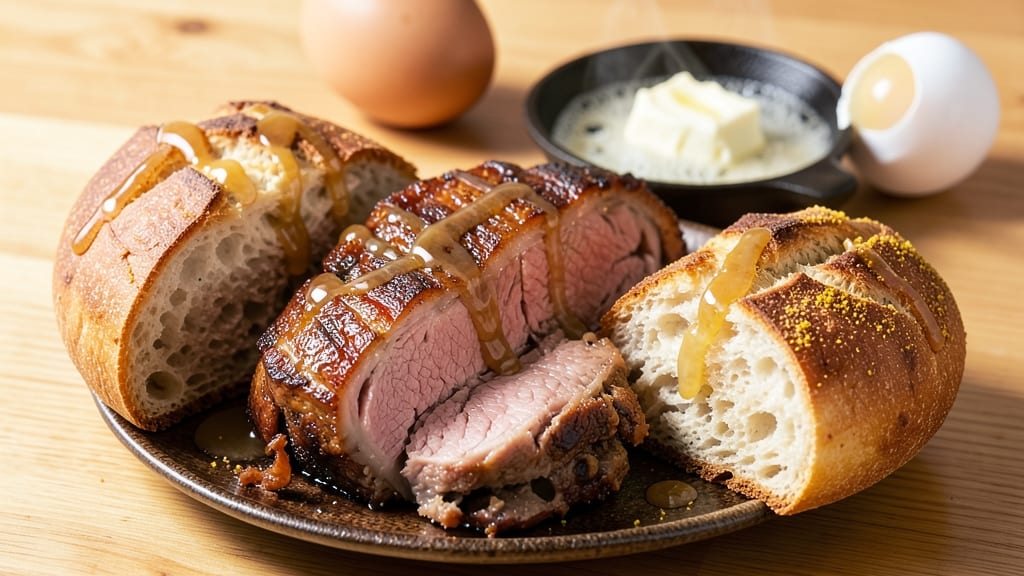
This alligator bread recipe transforms a Cajun staple into crispy-crusted bites that balance rich meat with sweet, spiced bread. The secret lies in properly preparing the alligator tail—tenderizing it just enough to stay juicy while achieving that signature golden crust.
This isn't your average bread recipe; it's a fusion of Southern comfort and Louisiana boldness that delivers restaurant-quality results at home.
The bread component here is a game-changer—a slightly sweet, buttery cornbread batter that soaks up all the savory juices while maintaining a satisfying crunch. We're talking perfectly textured bites where each component shines: tender alligator, crispy edges, and a bread that's neither too dry nor too soggy.
The spice blend adds that essential Creole kick without overpowering the natural flavors.
What you'll end up with is a dish that's equal parts indulgent and impressive—ideal for game day gatherings, Creole-inspired dinners, or when you want to elevate your tailgate spread.
The combination of textures and flavors creates an experience that's hard to resist: crispy on the outside, tender within, with layers of spice and sweetness that linger.
This recipe serves 6-8 as a side dish, making it perfect for sharing. Pair it with cold beer, spicy remoulade, or a simple green salad to balance the richness.
The best part? Every bite tells a story of Louisiana tradition meeting modern technique—something that's impossible to get from a restaurant menu.
Ingredients for alligator bread
Sixteen ingredients for a dish where Cajun tradition meets Southern comfort.
| Ingredient | Amount | Notes |
|---|---|---|
| Fresh Alligator Tail 🐊 | 1 ½ lb | Tenderized, skin removed |
| Yellow Cornmeal 🌽 | 1 ½ cups | Fine grind preferred |
| All-Purpose Flour 🌾 | 1 cup | For bread structure |
| Unsalted Butter 🧈 | ½ cup | Melted, full-fat preferred |
| Large Eggs 🥚 | 2 whole | Room temperature |
| Buttermilk 🥛 | ¾ cup | Full-fat for richness |
| Granulated Sugar 🍚 | ¼ cup | Light brown preferred |
| Cajun Seasoning 🌶️ | 2 tbsp | Homemade or Tony Chachere's |
| Smoked Paprika 🌶️ | 1 tsp | For depth of flavor |
| Garlic Powder 🧄 | 1 tsp | Freshly ground preferred |
| Onion Powder 🧅 | 1 tsp | For aromatic base |
| Salt 🧂 | 1 tsp | Diamond Crystal preferred |
| Black Pepper 🌶️ | ½ tsp | Freshly cracked |
| Vegetable Oil 🫒 | ¼ cup | For frying |
| Lemon Juice 🍋 | 1 tbsp | Freshly squeezed |
The alligator tail is the star—look for fresh, properly tenderized cuts from specialty butchers or high-end seafood markets like Whole Foods or Trader Joe's. If you're working with frozen, thaw it overnight in the fridge. The skin should be removed carefully to ensure even browning. For the bread component, King Arthur cornmeal is ideal for that perfect texture, but any fine-ground cornmeal will work. The buttermilk is crucial here—it adds moisture and that signature tang that balances the richness of the alligator and butter.
No Cajun seasoning on hand? Mix 1 tsp each of paprika, garlic powder, onion powder, dried thyme, and a pinch of cayenne for a quick substitute. For the frying oil, peanut oil is optimal due to its high smoke point, but vegetable oil works in a pinch. If you're avoiding gluten, you can substitute 1 cup of gluten-free all-purpose flour for the regular flour, though the texture will be slightly different. The lemon juice at the end is non-negotiable—it brightens the entire dish and cuts through the richness, so don't skip it.
Store any leftover alligator bread in an airtight container for up to 3 days in the fridge, though it's best enjoyed fresh. For longer storage, freeze the bread (without the alligator) for up to 3 months. Reheat in a 350°F oven for 10-15 minutes until crispy. The alligator pieces should be cooked thoroughly before breading—never reheat raw alligator. This dish is a showstopper, so consider making it ahead for gatherings where you want to impress.
Why You'll Love This Recipe
- No-Fuss Dough: I swear, the batter comes together in 5 minutes—just mix the cornmeal, flour, and eggs, then fold in the alligator tail. No kneading, no waiting, just stir and fry.
- Unexpected Crunch: That golden crust from the cornmeal? It’s addictive. The tail adds a subtle gamey richness that pairs perfectly with the buttery, crispy exterior—like a cross between cornbread and fried chicken.
- Tailgate Hero: Between us, this is my go-to for game days or backyard BBQs. Serve it warm with spicy mayo or a side of pickles, and suddenly you’re the host everyone raves about.
- Leftovers? No Problem: The bread reheats like a dream—just pop slices in a skillet with butter until crispy again. Honestly, I’ve made a double batch on Sundays and still had seconds the next day.
Step-by-step instructions for crispy-crusted alligator bread
Transforming alligator tail into golden, spice-kissed bread requires precision and patience—here's how to achieve that perfect crunch and tender interior.
Prepare the Alligator Tail for Breading
Begin by tenderizing the 1.5 lb fresh alligator tail using a meat mallet or rolling pin. Place it between two sheets of plastic wrap and pound gently but firmly until it reaches an even ¼-inch thickness throughout. This ensures even cooking and prevents any tough spots. The tail should yield slightly under pressure but remain intact.
Next, pat the alligator tail completely dry with paper towels—moisture is the enemy of crispy breading. In a small bowl, whisk together the 1 tbsp lemon juice with 2 tbsp Cajun seasoning, 1 tsp smoked paprika, 1 tsp garlic powder, 1 tsp onion powder, 1 tsp salt, and 0.5 tsp black pepper. Brush this spiced mixture generously over both sides of the alligator tail. Let it marinate for 15 minutes at room temperature while you prepare the breading mixture.
Create the Breading Mixture
In a large bowl, combine the 1.5 cups yellow cornmeal and 1 cup all-purpose flour. This blend creates the signature texture—cornmeal for crispiness and flour for structure. In a separate bowl, melt the 0.5 cup unsalted butter over low heat, then stir in the 0.75 cup buttermilk and 0.25 cup granulated sugar until smooth. The butter should be fully incorporated but not hot.
Add the melted butter mixture to the dry ingredients and stir until just combined—you should still see some cornmeal and flour flecks. Crack the 2 whole large eggs directly into the bowl and mix gently with a spatula until fully incorporated. The batter should hold its shape when scooped but remain slightly loose. If it's too thick, add 1-2 tablespoons of water to achieve a consistency similar to thick pancake batter.
Bread the Alligator Tail and Fry
Heat 0.25 cup vegetable oil in a large skillet over medium-high heat until it reaches 350°F—test with a thermometer or drop in a small piece of breading; it should sizzle immediately. Working in batches to avoid crowding, dip each piece of alligator tail into the breading mixture, pressing gently to ensure full coverage. Let any excess batter drip off before transferring to the hot oil.
Fry for 3-4 minutes per side until the breading is deep golden brown and crispy. The alligator tail should register an internal temperature of 165°F when checked with a meat thermometer. Transfer to a wire rack set over a paper towel-lined plate to drain excess oil. Keep the fried pieces warm in a 200°F oven while you bread and fry the remaining pieces.
Serve Immediately for Maximum Crispiness
Once all pieces are fried, transfer them to a serving platter. The breading should be crisp and shatterable, with a spicy kick from the Cajun seasoning. Serve immediately while the breading is at its peak crispness—waiting even 5 minutes will cause it to soften noticeably.
For an elevated presentation, garnish with additional Cajun seasoning or a sprinkle of smoked paprika. Pair with a tangy remoulade or a cool cucumber salad to balance the rich, spicy flavors. Each bite should deliver a satisfying contrast of crispy exterior and tender alligator tail, with layers of smoky, garlicky, and slightly sweet notes.
Pro Tips For Making Alligator Bread
- Trim the Tail First: Slice the alligator tail into ½-inch thick rounds before you even think about the batter—thicker pieces steam instead of sear, and you’ll end up with sad, gummy bread. I learned this the hard way when my first batch turned out like soggy leather.
- Toast the Cornmeal: Dry-toast the yellow cornmeal in a skillet over medium heat for 2–3 minutes until it smells nutty and golden. Skipping this step means your bread will taste flat and mealy—like you’re eating a sad, dry cornbread cousin.
- Cold Butter Matters: Chill that unsalted butter until it’s firm but not rock-hard before cutting it into the dough. Warm butter = greasy, dense bread. Cold butter = flaky layers that make this dish worth the effort—trust me, your future self will notice.
- Don’t Overmix the Batter: Stir the wet ingredients into the dry just until combined—lumpy is fine, overworking the dough makes the bread tough. I used to beat it like I was punishing it, and the texture suffered. Now I mix until the flour’s mostly gone, and the result is light and tender.
Flavor customization for this alligator bread
Spicy Heat Levels
Adjust the heat to suit your crowd by tweaking the Cajun seasoning blend. For mild heat, reduce the cayenne in your homemade mix or use Tony Chachere's Mild instead of the classic version.
If you want extra kick, add ½ tsp cayenne pepper directly to the breading mixture or sprinkle crushed red pepper flakes over the finished dish. I like to serve a small bowl of cooling remoulade on the side for guests who prefer less heat. 🌶️
Sweet-Savory Balance
The ¼ cup granulated sugar in the breading adds subtle sweetness that complements the rich alligator. For a more pronounced sweetness, swap half the sugar for maple syrup—just 2 tbsp—and reduce the buttermilk by the same amount.
If you prefer a savory-only profile, omit the sugar entirely and add ½ tsp extra smoked paprika for depth. Trust me, the contrast is what makes this dish unforgettable.
Herb Variations
Swap out the classic Cajun spices for regional flavors. For a Southern-style twist, replace half the Cajun seasoning with 1 tsp dried thyme and ½ tsp dried rosemary.
A Smoky BBQ version calls for 1 tbsp chili powder and 1 tsp onion powder instead of Cajun seasoning, plus a dash of ground cumin. For a Mediterranean-inspired take, use 1 tsp dried oregano and ½ tsp cinnamon—unexpected but delicious.
Gluten-Free Adaptation
To make this recipe gluten-free, replace the 1 cup all-purpose flour with 1 cup gluten-free all-purpose flour blend (like Bob's Red Mill 1:1). For extra crispiness, add ¼ cup cornstarch to the breading mixture. The texture will be slightly different—more delicate—but still satisfying.
Extra-Crispy Techniques
Want that restaurant-quality crunch? Double-breading is key. After the first fry, let the alligator bread cool for 2 minutes**, then dip it back into the batter and fry again for 1-2 minutes per side until golden. For an even crispier texture, chill the breading mixture for 30 minutes before using—it thickens slightly and creates a firmer crust. I also recommend using peanut oil instead of vegetable oil for frying, as it has a higher smoke point and adds subtle flavor. 🔥
Nutrition facts
Frequently asked questions
Can I substitute alligator with another protein?
While alligator gives this dish its signature flavor, you can use catfish, shrimp, or even chicken breast for a similar texture. For best results, choose a firm, white fish or boneless chicken cut that's about 1/4-inch thick after pounding. The breading will still adhere beautifully, though the flavor profile will shift toward seafood or poultry.
Why does my breading turn soggy?
Soggy breading usually means the alligator wasn't dry enough before frying or the oil temperature wasn't high enough. Always pat the meat completely dry with paper towels, and maintain oil at 350°F—use a thermometer to check. Frying in batches also helps maintain proper heat. If the breading still feels damp, try double-breading for extra crispiness.
Can I make this ahead of time?
For best results, prepare the breading mixture and marinate the alligator up to 24 hours ahead, but fry immediately before serving. The breading loses crispiness quickly—even 5 minutes at room temperature will make it soft. If you must reheat, bake at 375°F for 5-7 minutes until crispy again, but expect slightly less crunch.
What's the best way to store leftovers?
Store in an airtight container for up to 3 days in the fridge, but the breading will soften. For longer storage, freeze the breaded pieces (unfrozen) for up to 3 months. Reheat in a 375°F oven for 10-12 minutes until crispy. Never refreeze alligator after thawing.
How do I adjust the recipe for fewer servings?
For 4 servings, halve all ingredients except the eggs (use 1 egg) and oil (use 1/4 cup). The alligator tail should be 1 lb. Maintain the same thickness when pounding to ensure even cooking. Keep all other ratios identical for proper texture.