
Side Dishes
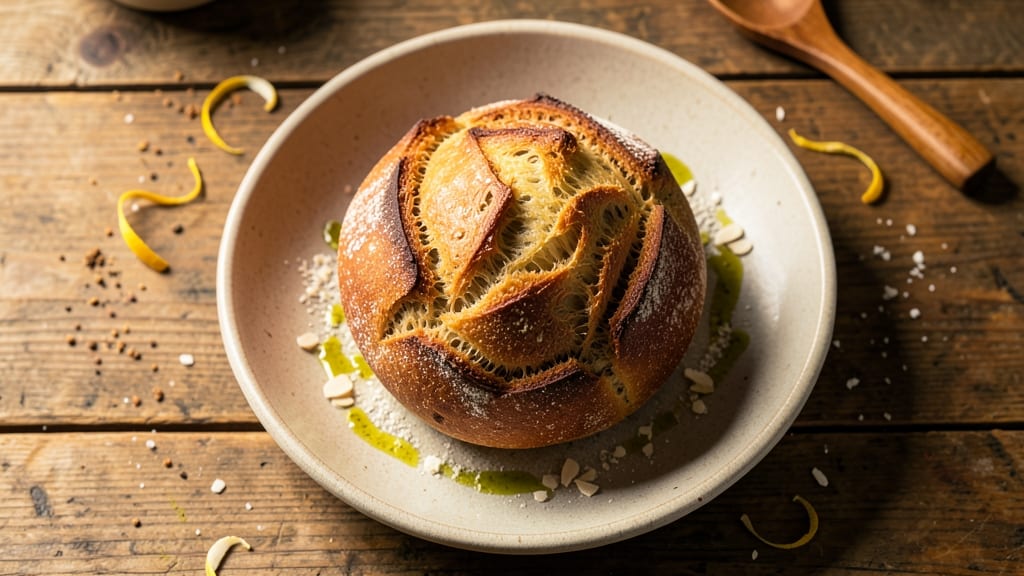
This almond flour artisan bread recipe transforms humble pantry staples into a gluten-free loaf with crispy crust and tender crumb—no specialized equipment required.
I’ve perfected the balance of nutty richness and airy lightness through precise hydration and gentle folding, ensuring a bread that rivals traditional wheat-based loaves in both texture and flavor.
The secret lies in blending almond flour’s natural oils with a touch of psyllium husk for structure, creating a loaf that’s both sturdy and delicate.
What sets this recipe apart is its foolproof method for achieving that coveted artisan texture without gluten. You’ll work with a wetter dough that requires patience during proofing, but the result—a golden crust with a crackly exterior and soft, open crumb—is worth every minute.
The nutty depth of almond flour shines through, while optional seeds or herbs add visual appeal and extra layers of flavor. This isn’t just a gluten-free substitute; it’s a standalone masterpiece that belongs on any table.
Baking time is 45 minutes at 375°F, yielding a loaf that’s warm, fragrant, and impossible to resist. The key is monitoring the oven’s humidity—covering the loaf with foil mid-bake prevents over-browning while allowing the crust to develop its signature crispness.
Whether you’re serving it toasted with jam, as a side to soups, or simply enjoying it fresh from the oven, this bread delivers restaurant-quality satisfaction with every bite.
For those new to almond flour baking, don’t worry—this recipe includes clear instructions for mixing, shaping, and proofing, along with troubleshooting tips to ensure success. The dough is forgiving, and the final result is so impressive, you’ll forget it’s gluten-free.
Let’s get started on creating your perfectly nutty, airy loaf—no kneading required.
Ingredients for almond flour artisan bread
Sixteen ingredients blend artisanal technique with gluten-free precision for a loaf that rivals traditional bread.
| Ingredient | Amount | Notes |
|---|---|---|
| Superfine Almond Flour 🌰 | 3 cups | Blanched, finely ground preferred |
| Psyllium Husk Powder 🌿 | 1 ½ tbsp | Essential for gluten-free structure |
| Warm Water 💧 | 1 ¼ cups | 110°F for optimal activation |
| Extra-Virgin Olive Oil 🫒 | ¼ cup | High-quality, fruity variety |
| Apple Cider Vinegar 🍎 | 1 tbsp | For crust development |
| Sea Salt 🧂 | 1 ½ tsp | Fine grain preferred |
| Sugar 🍚 | 1 tbsp | Optional for subtle sweetness |
| Instant Yeast 🍞 | 1 ½ tsp | Vegan-certified preferred |
| Sesame Seeds 🌾 | 1 tbsp | Optional for topping |
| Poppy Seeds 🌻 | 1 tbsp | Optional for topping |
| Ice Water ❄️ | ¼ cup | For final dough adjustment |
| Cornmeal 🌽 | 2 tbsp | For dusting loaf pan |
The almond flour is the foundation—Bob’s Red Mill or Anthony’s Goods brands yield the finest texture, but any blanched, superfine variety works. Psyllium husk powder is non-negotiable; Now Foods offers an affordable, high-quality option that binds the dough like gluten. Warm water activates the yeast and psyllium, so 110°F is ideal—too hot and it kills the yeast, too cold and it won’t activate properly. For the olive oil, California-based brands like Corto provide that fruity depth that shines in the final crust. If you’re new to almond flour baking, start with a trusted brand—cheaper varieties can vary wildly in texture.
No psyllium husk? Ground flaxseed at double the amount is a workable substitute, though the texture will be denser. Short on yeast? Baking soda at half the amount creates a quick-rise version, but the crumb will be less open. The seeds—sesame, poppy, or even sunflower—are purely decorative but add visual appeal and subtle crunch. For a sweeter loaf, maple syrup replaces sugar one-to-one, though the crust will brown faster. The dough is intentionally wet; resist the urge to add extra flour, as it disrupts the delicate balance of oils and hydration that creates that signature artisan crumb.
This dough requires 2 hours of proofing time at room temperature, covered with a damp towel to prevent drying. Store leftovers in an airtight container for 3 days at room temperature or 1 week in the fridge—it reheats beautifully in a 350°F oven for 10 minutes. For longer storage, slice and freeze portions for up to 3 months. The crust develops best when baked in a preheated Dutch oven, but a standard loaf pan works too—just expect slightly less crispness. The bread freezes exceptionally well, making it perfect for batch baking.
Why You'll Love This Recipe
- No-Knead Magic: I swear by this trick—just mix, shape, and bake. The psyllium husk powder does all the heavy lifting, so no waiting for gluten to develop or worrying about overworking the dough. Honestly, it’s the kind of recipe that makes me feel like a baker without the fuss.
- Rich Nutty Depth: That first bite? Pure satisfaction. The almond flour gives it a buttery, toasty flavor that’s way more interesting than standard bread, and the olive oil keeps it moist without being greasy. Between us, it’s the reason I finally stopped buying artisanal loaves.
- Weeknight & Picnic Star: I keep a loaf in the fridge for toast in the morning or sandwiches at lunch—it’s sturdy enough to handle everything from avocado mash to charcuterie boards. And honestly, it’s the only bread I trust to survive a beach day without turning into a sad, crumbly mess.
- Budget-Friendly Luxury: Yes, almond flour costs more upfront, but one loaf lasts me nearly a week, and I use the scraps for breadcrumbs or croutons. Plus, the psyllium husk is a game-changer for texture—it stretches my grocery budget without sacrificing quality. (Yes, even on a Tuesday night.)
Step-by-step instructions for almond flour artisan bread
Here's the precise method to achieve that signature nutty crunch and airy texture without gluten.
Combine Dry Ingredients for Proper Structure
In a large mixing bowl, whisk together the 3 cups superfine almond flour and 1.5 tablespoons psyllium husk powder until fully combined. The psyllium is crucial here—it mimics gluten's binding properties while creating that signature chewy texture. Sift the mixture lightly to eliminate any lumps, which ensures even hydration later.
Add the 1.5 teaspoons sea salt, 1 tablespoon sugar, and 1.5 teaspoons instant yeast to the bowl. Mix again until all dry ingredients are uniformly distributed. The yeast will activate later, but this pre-mixing prevents clumping when we add liquids. Keep this bowl set aside for now—we'll return to it after preparing the wet ingredients.
Prepare the Wet Mixture for Optimal Activation
In a separate bowl, combine the 1.25 cups warm water (about 110°F) with the 0.25 cup extra-virgin olive oil and 1 tablespoon apple cider vinegar. The warm water is critical—too hot and you'll kill the yeast; too cold and activation will be sluggish. Stir gently until the olive oil is fully emulsified, creating a smooth liquid base.
Pour this wet mixture into the bowl with the dry ingredients and stir vigorously for 3-4 minutes until a thick, sticky dough forms. You'll notice the psyllium begin to thicken the batter as it absorbs moisture. The dough should be cohesive but still slightly runny—this is normal for almond flour-based batters. If it's too thick, we'll adjust with ice water later.
Develop the Dough and Adjust Consistency
Using a silicone spatula, fold the dough over itself 8-10 times to develop structure. This step mimics gluten development in traditional bread doughs. The psyllium will start forming a gel-like network that gives the bread its signature chew. Work quickly but deliberately—almond flour dough can become gummy if overworked.
Check the dough's consistency. It should be thick enough to hold its shape when spooned but still slightly pourable. If it's too stiff, gradually add the 0.25 cup ice water, 1 tablespoon at a time, mixing well after each addition. The ice water helps firm up the dough while keeping the yeast activity in check. The final dough should be like thick pancake batter with good body.
Prepare the Loaf Pan and Rest the Dough
Lightly grease a 9x5-inch loaf pan with olive oil, then dust the bottom and sides generously with 2 tablespoons cornmeal. This prevents sticking and creates that beautiful crust. Pour the dough into the prepared pan and smooth the top with a wet spatula. The dough will naturally spread slightly—don't overpack it.
Cover the pan tightly with plastic wrap and let the dough rest at room temperature for 2 hours. This resting period allows the psyllium to fully hydrate and the yeast to develop flavor. The dough should rise noticeably, though not dramatically—almond flour bread doesn't rise like wheat bread. You'll see small bubbles forming on the surface, indicating proper fermentation.
Bake to Golden Perfection with Crispy Crust
Preheat your oven to 350°F and position a rack in the lower third. Bake the loaf for 45-50 minutes until the top is deep golden brown and the internal temperature reaches 205°F. The bread should pull away slightly from the pan edges and have a hollow sound when tapped on the bottom.
For extra crispiness, transfer the loaf to a wire rack and broil for 1-2 minutes on high, watching closely to prevent burning. While still warm, brush the top with a bit of melted olive oil and sprinkle evenly with 1 tablespoon sesame seeds and 1 tablespoon poppy seeds. Let the bread cool completely on the rack before slicing—this prevents a gummy texture. Each slice should reveal an airy crumb with visible seed flecks throughout.
Pro Tips For Making Almond Flour Artisan Bread
- Mix the Psyllium First: I learned this the hard way—dissolve the psyllium husk powder in warm water before adding it to the almond flour. Stir it like you’re making glue, then let it sit for 3-4 minutes until it turns into a thick, jelly-like paste. This guarantees your dough won’t be gummy or crumbly later.
- Weigh Your Almond Flour: Superfine almond flour is finicky—scooping it straight from the bag packs in too much air, leading to dense bread. Use a kitchen scale and spoon it gently into your measuring cup, then level it off. A 1-gram difference per cup makes a noticeable texture shift.
- Skip the Overmixing: Once you combine the psyllium paste with the almond flour and olive oil, fold just until the dough comes together—about 10-12 strokes. Overworking it activates the gluten in the almond flour, and your bread will turn out tough instead of tender. Think "gentle but thorough," not "beat it into submission."
- Preheat Loaf Pan Properly: Cold pans steal heat and slow the rise, especially with almond flour dough. Place your loaf pan in the oven while it’s heating, then pour in the batter immediately after removing it. The residual heat helps the bread climb faster and develop that crisp crust you’re after—no waiting around.
Health benefits of these flavors
Gluten-Free Protein
Each slice of this almond flour bread packs a protein punch with about 6 grams per serving—far more than traditional wheat bread.
Almond flour is naturally rich in plant-based protein, making it an excellent choice for vegans, gluten-sensitive individuals, or anyone looking to boost their protein intake without dairy or meat.
The psyllium husk adds an extra 2 grams of fiber per slice, supporting digestive health while keeping you full longer. 💪
Heart-Healthy Fats
The monounsaturated fats in almond flour (about 5 grams per slice) help lower LDL cholesterol while maintaining healthy blood pressure levels. Unlike refined flours, almond flour retains its natural oils, which are heart-protective when consumed in moderation.
The olive oil in this recipe further enhances these benefits, providing anti-inflammatory properties that support cardiovascular health.
Low Glycemic Impact
This bread has a low glycemic index due to the absence of refined grains and the presence of healthy fats and fiber.
The 1 tablespoon of sugar (or maple syrup) in the recipe is minimal enough to avoid blood sugar spikes, making it suitable for those managing diabetes or insulin resistance. The almond flour’s natural sweetness means you won’t miss the refined sugar in traditional bread.
Rich in Vitamins
Almond flour is a nutrient powerhouse, delivering vitamin E (a potent antioxidant), magnesium (for muscle and nerve function), and riboflavin (essential for energy metabolism). A single slice provides 15% of your daily vitamin E needs, which supports skin health and immune function.
The psyllium husk also contributes calcium and potassium, further enhancing the bread’s nutritional profile.
Digestive Benefits
The psyllium husk in this recipe is a prebiotic fiber that feeds beneficial gut bacteria, promoting a healthy microbiome. This fiber also helps regulate bowel movements and may reduce symptoms of irritable bowel syndrome (IBS).
The absence of gluten makes this bread gentle on digestive systems, while the fiber content ensures steady digestion without spikes or crashes. 🌿
Allergen-Friendly
This bread is naturally free of gluten, dairy, eggs, and soy, making it safe for those with celiac disease, lactose intolerance, or common food allergies. The almond flour provides a nutty flavor without relying on allergenic ingredients, though those with tree nut allergies should avoid it.
For a nut-free alternative, consider sunflower seed flour instead—it yields a slightly denser but still delicious loaf.
Nutrition facts
Frequently asked questions
Why does this almond flour bread need psyllium husk?
Psyllium husk acts as a gluten substitute, creating the chewy texture and structure that traditional bread doughs get from gluten. It forms a gel-like network when hydrated, giving your loaf that signature artisan crumb. Without it, the bread would crumble or be too dense—it’s the secret to that perfect balance of airy and sturdy.
Can I make this bread without a loaf pan?
Shape the dough into a freeform boule or batard (oval loaf) on a parchment-lined baking sheet. Brush with olive oil and sprinkle seeds before baking. For a rustic look, score the top with a sharp knife before baking. The texture will be slightly different but still delicious—just expect less crispiness without the pan’s containment.
Why does my almond flour dough look too wet?
The dough should be thick but slightly pourable—that’s normal! If it’s too sticky, gradually add 1 tablespoon ice water at a time until it reaches the right consistency. Overworking it can make the bread gummy, so fold just 8-10 times to develop structure. The psyllium will thicken as it hydrates during proofing, so don’t panic if it feels runny initially.
How do I store leftovers to keep them fresh?
Wrap cooled slices in plastic wrap or store in an airtight container at room temperature for 3 days. For longer storage, freeze slices for up to 3 months. To reheat, warm in a 350°F oven for 10 minutes or toast in a dry pan until crispy. The bread freezes exceptionally well, making it perfect for meal prep!
Can I add herbs or spices to this recipe?
Yes! Try 1 teaspoon dried rosemary or thyme for an herbal twist, or ½ teaspoon cinnamon for warmth. For savory versions, add 1 tablespoon nutritional yeast (for a cheesy flavor) or finely chopped garlic powder. Just reduce another dry ingredient by the same amount to maintain balance. The dough’s wetness helps distribute flavors evenly throughout the crumb.