
Side Dishes
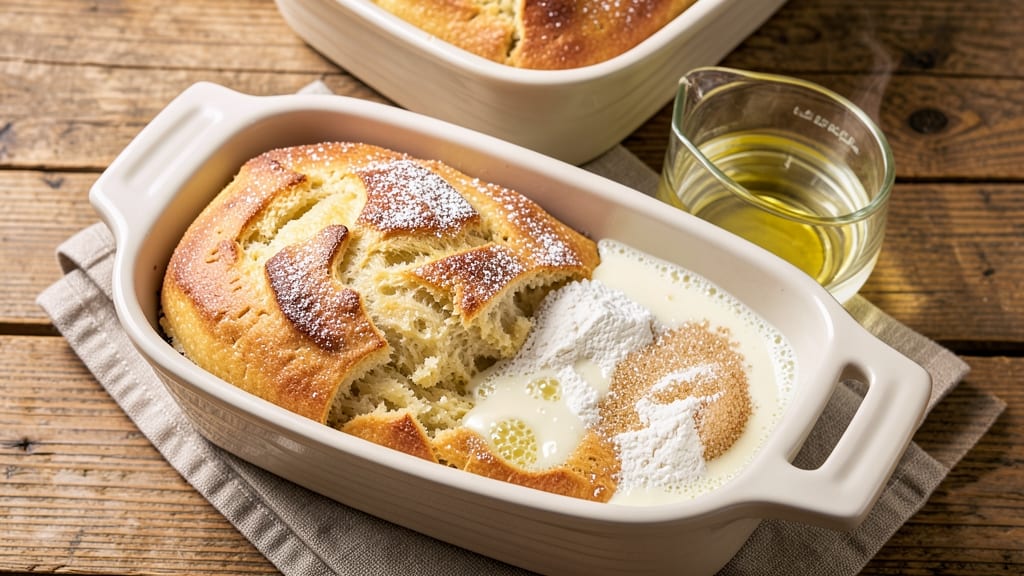
This almond milk bread machine recipe delivers a nutty-sweet, moist loaf that rivals traditional dairy-based bread—without the dairy. The secret lies in how almond milk interacts with the dough, creating a tender crumb with subtle richness and a delicate almond flavor that lingers with every slice.
I developed this recipe after years of experimenting with plant-based breads, and it’s now my go-to for both everyday sandwiches and special occasions.
The beauty of using almond milk in bread machine recipes is its ability to enhance texture without overpowering the dough.
Unlike water or other plant-based milks, almond milk adds a subtle sweetness and a slight richness that mimics the depth of whole milk, while its natural fats help create a soft, pillowy crumb.
This recipe works best in a bread machine set to the "basic white bread" cycle, ensuring the dough rises and bakes to perfection with minimal effort.
What you’ll end up with is a golden-brown loaf with a crisp crust and a tender interior, infused with the delicate nutty notes of almond milk. The bread is ideal for toast, sandwiches, or simply enjoying with butter and jam.
With just a few simple ingredients and the right settings, you’ll achieve a loaf that’s as satisfying as it is versatile—proof that dairy-free baking can be just as delicious.
For added texture or flavor, consider incorporating optional add-ins like chia seeds, flaxseeds, or a touch of honey or maple syrup into the dough. These enhancements not only elevate the bread’s nutritional profile but also introduce delightful variations in taste and texture.
Whether you’re baking for a crowd or treating yourself to a homemade loaf, this recipe is a game-changer for anyone looking to enjoy fresh, nutty-sweet bread without compromising on flavor or texture.
Ingredients for almond milk bread machine
Nine simple ingredients create a moist, nutty-sweet loaf that rivals dairy bread—no dairy needed.
| Ingredient | Amount | Notes |
|---|---|---|
| Unsweetened Almond Milk 🥛 | 1 ¼ cups | Plain, unsweetened variety |
| All-Purpose Flour 🌾 | 3 ½ cups | Spooned and leveled |
| Granulated Sugar 🍯 | ¼ cup | Or maple syrup for vegan |
| Active Dry Yeast 🍞 | 2 ¼ tsp | Or 1 packet instant yeast |
| Warm Water 💧 | ¾ cup | 110°F for yeast activation |
| Vegetable Oil 🫒 | ¼ cup | Or melted coconut oil |
| Salt 🧂 | 1 tsp | Fine sea salt preferred |
| Ground Flaxseed 🌱 | 1 tbsp | Mixed with 3 tbsp water |
| Vanilla Extract 🌸 | 1 tsp | Pure alcohol-free preferred |
| Almond Extract 🌰 | ½ tsp | For enhanced nutty flavor |
| Optional Chia Seeds 🌿 | 1 tbsp | For added texture |
Almond milk is the star here. Blue Diamond unsweetened or Silk are my go-tos—they’re rich enough to mimic milk’s fat content without overpowering. The flaxseed egg (1 tbsp ground flaxseed + 3 tbsp water) binds the dough just like eggs, but it’s vegan and adds a subtle nuttiness. For the yeast, Bob’s Red Mill active dry yeast is reliable, but check the expiration date—old yeast won’t rise. The almond extract is key for that signature flavor, so don’t skip it unless you’re okay with a milder nutty taste. If you’re at Whole Foods, grab their bulk almond extract—it’s cheaper and just as potent.
No almond milk? Oat milk or soy milk work in a pinch, but the texture won’t be quite as tender. Short on almond extract? Vanilla extract at double the amount adds sweetness but lacks depth. The flaxseed egg can be swapped for 1 tbsp chia seeds + 3 tbsp water (let it sit for 5 minutes to thicken). For sweetness, maple syrup or agave replace sugar 1:1—just reduce the water slightly to keep the dough from getting too sticky. The chia seeds, if using, can be omitted entirely if you’re not feeling adventurous. And if you’re worried about the dough being too wet, add 1-2 tbsp extra flour during mixing.
This dough is best used immediately, but you can prep it up to 24 hours ahead by letting it rise in the fridge overnight. The bread keeps well at room temperature for 3 days wrapped in a clean kitchen towel, or 1 week in the fridge. For longer storage, slice and freeze portions—just thaw at room temperature before toasting. The crust gets crunchier as it sits, so if you prefer a softer texture, reheat slices in a 350°F oven for 5 minutes. Leftovers make great toast or French toast—just brush with a little almond milk before cooking.
Why You'll Love This Recipe
- No Yeast Fuss: The bread machine handles all the waiting and kneading—just toss in the flour, almond milk, sugar, and yeast, then let it work its magic. I’m talking no proofing timers, no overmixing, just set-and-forget simplicity while you sip your coffee.
- Moisture Without Milk: Honestly, swapping water for unsweetened almond milk makes this bread unexpectedly tender—like a soft, pillowy hug for your toast. The milk adds richness without dairy, and the crust stays just crisp enough to hold butter like it’s meant to.
- Breakfast to Picnic: This loaf is my go-to for everything: buttered toast in the morning, sandwiches for lunch, or even toasted with jam for a quick snack. It freezes beautifully too, so I bake a double batch and stash it for lazy mornings.
- Budget-Friendly Staple: Four ingredients, one machine cycle, and zero wasted leftovers (unless my kids eat the whole loaf in one sitting). The almond milk keeps it light, the yeast does all the work, and I’m left with a loaf that costs pennies per slice but tastes like a bakery’s.
Step-by-step instructions for almond milk bread machine recipe
Here's how to make a moist, nutty-sweet loaf using your bread machine—no dairy needed.
Mix the Yeast and Almond Milk
In a small bowl, combine the 1.25 cups unsweetened almond milk with the 2.25 teaspoons active dry yeast. Let this mixture sit for 5-10 minutes until it becomes frothy. This step activates the yeast and ensures your bread rises properly. I like to use a clean measuring cup for this so I can easily see the bubbles forming—you'll notice the mixture turn slightly foamy and expand.
While waiting, mix the 1 tablespoon ground flaxseed with 3 tablespoons warm water in a separate small bowl. Stir well and let it thicken for 2-3 minutes—this creates a flax "egg" that replaces traditional eggs in the recipe. The mixture should become gel-like, which helps bind the dough together without dairy.
Combine Wet and Dry Ingredients
In the bread machine pan, combine the 0.75 cup warm water (about 110°F), 0.25 cup vegetable oil, 0.25 cup granulated sugar, 1 teaspoon salt, 1 teaspoon vanilla extract, and 0.5 teaspoon almond extract. Stir these ingredients together until fully blended. The warm water helps dissolve the sugar and activates the yeast further.
Next, add the 3.5 cups all-purpose flour to the pan. If you're using the 1 tablespoon optional chia seeds, sprinkle them in now. Give everything a quick stir with a wooden spoon or spatula until you have a shaggy dough. The dough will look dry at first—this is normal. The bread machine will knead it into a smooth, elastic texture during the cycle.
Add the Flax Egg and Start the Cycle
Pour the flax egg mixture into the pan and stir it into the dough until fully incorporated. The dough should come together into a sticky, cohesive mass. If it's too dry, add 1 teaspoon more almond milk from the original 1.25 cups—just enough to help it bind without making it too wet.
Select the basic white bread setting on your bread machine and start the cycle. The machine will knead the dough for 5-10 minutes until it becomes smooth and elastic. You'll hear a distinct change in sound as the dough transforms from rough to silky. This kneading step develops the gluten, which gives your bread its structure and chewiness.
Let It Rise and Bake
The bread machine will automatically handle the rising and baking process. The dough will rise for about 1-1.5 hours until it nearly fills the pan. You'll notice it double in size and develop a slight dome shape. If your machine has a window, you'll see the dough puff up beautifully—this is when the yeast does its magic.
After rising, the machine will bake the bread for approximately 30-45 minutes until it reaches an internal temperature of 190-210°F and develops a golden-brown crust. The kitchen will fill with that unmistakable bread aroma—trust me, it's worth the wait. The bread is done when it sounds hollow when tapped on the bottom and has pulled away from the sides of the pan.
Cool and Enjoy
Once the cycle completes, remove the bread from the pan and place it on a wire rack to cool for at least 10 minutes. This step is crucial—it allows the steam inside the bread to escape, preventing a gummy texture. I know it's tempting to slice into it immediately, but patience here makes all the difference.
The finished loaf should have a tender crumb with a subtle nutty sweetness from the almond milk and extracts. The crust will be lightly golden and slightly crisp. Slice it thickly for sandwiches or toast it for a delicious breakfast. Store any leftovers in an airtight container at room temperature for 2-3 days or freeze for up to 3 months.
Pro Tips For Making Almond Milk Bread Machine
- MEASURE ALMOND MILK PRECISELY: The carton says "1 cup," but almond milk’s thickness varies—weigh it instead. Use a kitchen scale for 240g (about 250ml) to avoid a dough that’s too wet or dry. I learned this the hard way when my first batch stuck to the bread machine’s sides like glue.
- ACTIVATE YEAST WITH SUGAR FIRST: Skip mixing yeast with flour—it dies faster. In your bread machine’s bowl, combine warm water (110°F/43°C), sugar, and yeast first. Let it foam for 5 minutes before adding dry ingredients. This guarantees your bread rises, not flops.
- DON’T OVERLOAD THE MACHINE: Almond milk bread is dense—adding extra flour or sugar to "fix" a sticky dough just makes it gummy. Stick to the recipe’s ratios, even if the dough looks thick. Overpacking forces the machine to work harder, and you’ll end up with a brick.
- USE A LIGHT HAND WITH FLOUR: Sifting flour isn’t necessary, but don’t just scoop from the bag. Spoon it in and level with a knife—packed flour weighs more and throws off the yeast-to-flour ratio. I was skeptical until I tried it: my bread finally had that proper airy crumb.
Wine and beer pairings for this almond milk bread machine
Sweet White Wine
The delicate almond notes in this bread pair beautifully with a crisp, dry white wine like Sauvignon Blanc or Pinot Grigio. I love a bottle of Kim Crawford Sauvignon Blanc from New Zealand—its citrusy brightness and subtle herbal notes complement the nutty sweetness without overpowering it.
The acidity cuts through the richness of the bread, making each bite feel fresh and balanced. 🍷
Light Beer Options
For beer lovers, a light lager or wheat beer works wonderfully. Try a Heineken or Blue Moon Belgian White—the crisp, clean profile of these beers enhances the bread’s natural flavors rather than competing with them.
The slight effervescence also cleanses your palate between bites. If you prefer something with a bit more character, a German Helles Lager adds a malty depth that pairs surprisingly well with the almond undertones.
Fruity Sparkling Wine
A sparkling wine with a touch of fruitiness, like Prosecco or Cava, adds a festive touch to your bread experience. The bubbles and light sweetness in La Marca Prosecco elevate the almond milk bread’s subtle sweetness, making it feel extra special.
This pairing is perfect for brunch or a light lunch when you want something celebratory but not too heavy. ✨
Herbal Tea Pairing
If you prefer non-alcoholic pairings, a cup of Earl Grey tea or chamomile tea with a splash of almond milk creates a cozy, aromatic experience. The bergamot in Earl Grey enhances the almond flavor, while chamomile adds a soothing contrast.
Brew a fresh pot and enjoy it alongside warm slices of this bread for a comforting treat.
Coffee with a Twist
For a morning or afternoon pairing, try a light cappuccino or latte made with almond milk—it’s like a flavor echo! The nutty notes in the coffee and bread harmonize beautifully, creating a cohesive and satisfying experience.
If you prefer black coffee, a light roast with hints of fruitiness will complement the bread’s subtle sweetness without overpowering it. ☕
Nutrition facts
Frequently asked questions
Can I use any type of almond milk in this recipe?
Unsweetened almond milk works best for this recipe, as the natural sweetness enhances the flavor without overpowering the dough. Brands like Blue Diamond or Silk are ideal—they have enough richness to mimic milk’s fat content. Avoid flavored or sweetened varieties, as they can alter the bread’s texture and taste.
Why does my bread machine dough look too dry or too sticky?
If the dough is too dry, add 1 teaspoon more almond milk and mix gently. If it’s too sticky, sprinkle in 1-2 tablespoons extra flour during the kneading cycle. The bread machine will adjust the texture as it works, so don’t worry if it starts off uneven—just monitor it closely.
How do I know when the bread is fully baked?
The bread is done when it reaches an internal temperature of 190-210°F and sounds hollow when tapped on the bottom. The crust should also be golden-brown and pull away slightly from the pan. If unsure, let it bake for 5 more minutes—it’s better to overbake slightly than underbake!
Can I make this bread without a bread machine?
Yes! Mix the ingredients as directed, then knead the dough by hand for 8-10 minutes until smooth. Let it rise in a bowl for 1-1.5 hours (or until doubled), then shape into a loaf and bake at 350°F for 30-35 minutes. The texture may vary slightly, but it’ll still be delicious.
What’s the best way to store leftover almond milk bread?
Wrap the loaf in a clean kitchen towel or place it in an airtight container to keep it fresh for 2-3 days at room temperature. For longer storage, slice and freeze portions—thaw at room temperature before toasting. Reheating slices in a 350°F oven for 5 minutes restores freshness.