
Side Dishes
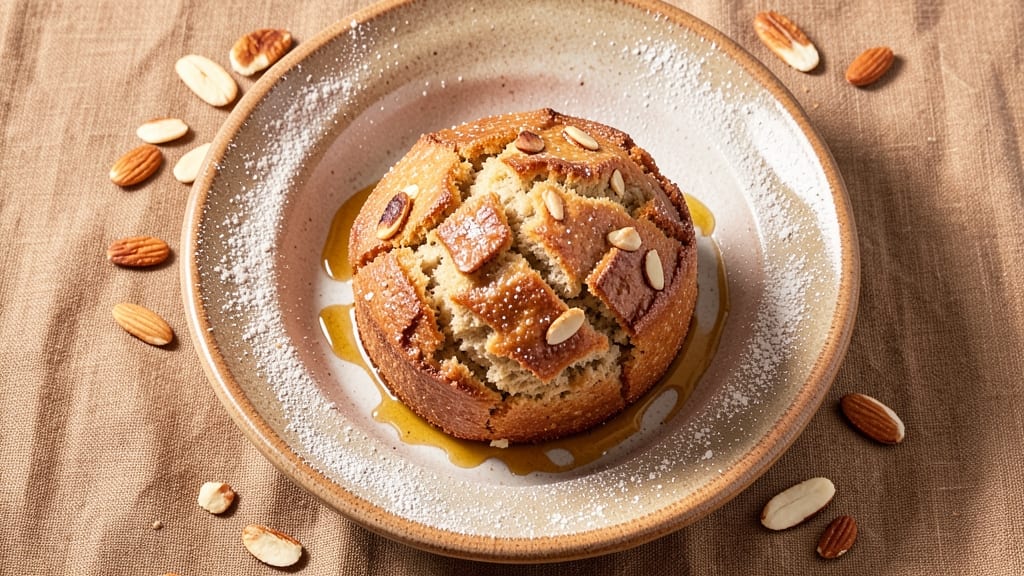
This almond pulp bread recipe transforms humble almond pulp into a nutty-crusted, airy loaf with a moist crumb that rivals traditional breads. The secret lies in blending almond pulp—rich in fiber and protein—with precise hydration techniques to create a gluten-free-friendly texture that surprises even skeptics.
I developed this after realizing how much nutritious waste almond pulp creates, and now it’s my go-to for a wholesome, foolproof loaf that pairs perfectly with spreads or soups.
The beauty of this recipe is its versatility: the bread’s natural sweetness and nutty depth make it ideal for breakfast toasts or as a side for hearty meals.
While traditional breads rely on gluten for structure, this version achieves its signature moist interior and crisp exterior through careful mixing and resting techniques. The almond pulp adds a subtle earthiness that enhances rather than overpowers the bread’s delicate crumb.
What sets this apart is the three-stage mixing process, which ensures proper hydration and gluten-free compatibility without compromising texture. The result? A loaf with a golden-brown crust that crackles when toasted, hiding a tender, cloud-like interior.
Whether you’re gluten-sensitive, plant-based, or simply seeking a nutritious upgrade, this bread delivers restaurant-quality results with minimal fuss.
Serve warm with almond butter, pair with avocado toast, or enjoy as an accompaniment to soups—its versatility makes it a staple for any pantry. The recipe scales easily, so you can bake a single loaf or double the batch for sharing. Let’s get baking!
Ingredients for almond pulp bread
Transform almond pulp into a golden loaf with crisp crust and cloud-like interior using these carefully chosen ingredients.
| Ingredient | Amount | Notes |
|---|---|---|
| Almond Pulp 🌰 | 1 ½ cups | Fresh or dried, finely ground |
| All-Purpose Gluten-Free Flour Blend 🌾 | 1 ½ cups | Bob's Red Mill 1:1 preferred |
| Psyllium Husk Powder 🌿 | 1 tbsp | Key for gluten-free structure |
| Granulated Sugar 🍚 | ¼ cup | Or coconut sugar for refined-free |
| Active Dry Yeast 🍞 | 1 tsp | Instant yeast works too |
| Almond Milk 🥛 | ¾ cup | Unsweetened, room temperature |
| Extra-Virgin Olive Oil 🫒 | ½ cup | Plus 1 tbsp for brushing |
| Apple Cider Vinegar 🍏 | 1 tbsp | Activates yeast properly |
| Salt 🧂 | 1 ½ tsp | Fine sea salt preferred |
| Ground Flaxseed 🌾 | 2 tbsp | Plus 6 tbsp water for flax eggs |
| Vanilla Extract 🌸 | 1 tsp | Pure vanilla for depth |
| Sesame Seeds 🌱 | 1 tbsp | For nutty crust enhancement |
The almond pulp is the star here—fresh from almond milk producers or dried from specialty stores like Nuts.com gives the best texture. Look for finely ground pulp with minimal moisture; Bob's Red Mill gluten-free flour blend is my go-to for structure, but any 1:1 blend works. Psyllium husk powder is non-negotiable for gluten-free bread—it mimics gluten's binding properties perfectly. Trader Joe's carries it affordably, or buy in bulk from Mountain Rose Herbs for better value. The yeast needs to be fresh; toss any that smells stale or has lost its aroma.
No almond milk? Oat milk or soy milk work in a pinch, but almond's natural sweetness and fat content matter here. Running short on psyllium? Extra xanthan gum at half the amount helps, but texture won't be identical. The flax eggs (2 tbsp ground flax + 6 tbsp water) can be prepped ahead—store in the fridge for up to 3 days. For the crust, sesame seeds instead of poppy adds that nutty depth the almond pulp craves. The vanilla extract should be pure—imitation won't cut it—and the apple cider vinegar activates the yeast properly, so don't skip it.
Mix the dough and let it rest at room temperature for 1 hour before shaping—this hydration step is crucial. The bread keeps best in an airtight container at room temperature for 2 days, though it's best enjoyed fresh. For longer storage, slice and freeze portions—3 months in a sealed bag. To revive, toast slices for 2-3 minutes until crisp. The crust stays crunchy for 12 hours after baking, making it perfect for toasting the next day.
Why You'll Love This Recipe
- No-Fuss Mixer Magic: I swear by this dough—just toss everything into a bowl, let the psyllium husk do its binding magic, and knead for two minutes. The almond pulp keeps it tender without the fuss of gluten, and honestly? My stand mixer does 90% of the work.
- Nutty Sweet Crunch: That almond pulp isn’t just filling—it’s flavor. The sugar caramelizes just enough to give every bite a subtle toasted edge, while the yeast keeps it light. Between us, it’s the kind of bread that disappears in one sitting.
- Weeknight Workhorse: Slice it fresh for toast, pack it for lunches, or freeze half for when you’re too tired to bake. The gluten-free blend holds up like a champ, and the psyllium means no gummy texture—just reliable, satisfying bread for days.
- Budget-Friendly Luxury: Almond pulp is cheap at bulk stores, and this recipe stretches further than most. I’ve made two loaves with one batch, and the leftovers? Toasted with jam or butter? Absolute gold. No waste, all win.
Step-by-step instructions for almond pulp bread
Here's how to craft a gluten-free loaf with a nutty crust and tender interior—every detail matters.
Create Flax Eggs and Activate the Yeast
In a small bowl, whisk together the 2 tablespoons ground flaxseed with 6 tablespoons water. Let this sit for 5 minutes until it thickens into a gel-like consistency—this is your flax egg substitute. The mixture should resemble raw egg whites in viscosity.
Meanwhile, in a separate bowl, combine the 0.75 cup almond milk, 1 tablespoon apple cider vinegar, and 1 teaspoon active dry yeast. Let this mixture sit for 5-10 minutes until it becomes frothy. You'll see small bubbles forming on the surface—this confirms the yeast is active and ready to work. The vinegar helps activate the yeast more efficiently than water alone.
Mix Wet Ingredients and Combine with Dry Components
In a large mixing bowl, combine the 1.5 cups almond pulp, 0.5 cup extra-virgin olive oil, 0.25 cup granulated sugar, and 1 teaspoon vanilla extract. Mix these wet ingredients until fully incorporated, scraping down the sides of the bowl to ensure even distribution. The almond pulp should be completely moistened, with no dry pockets remaining.
Add the yeast mixture, flax egg, 1.5 teaspoons salt, 1.5 cups all-purpose gluten-free flour blend, and 1 tablespoon psyllium husk powder to the wet ingredients. Using a wooden spoon or dough whisk, gently fold everything together until just combined. The psyllium husk powder is crucial here—it binds the gluten-free flour and creates that signature bread-like structure. Avoid overmixing, as this can develop gluten and make the bread dense.
Knead and Rest the Dough
Transfer the dough to a lightly oiled surface and knead gently for 2-3 minutes until it comes together into a cohesive mass. The dough will be sticky, so wet your hands slightly to prevent sticking. Shape the dough into a round loaf and place it in a lightly greased loaf pan.
Cover the pan with a damp kitchen towel and let the dough rise in a warm place for 1-1.5 hours, or until it has nearly doubled in size. You'll notice the dough puff up noticeably and develop small bubbles on the surface. This resting period allows the yeast to ferment properly, creating that airy, moist crumb you're after. If your kitchen isn't warm, place the pan near a slightly warm oven with the light on to help maintain the ideal temperature.
Shape and Bake for Perfect Texture
Preheat your oven to 350°F. Remove the risen dough from the pan and place it on a parchment-lined baking sheet. Gently shape it into an oval loaf if needed, then brush the top with an additional 1 tablespoon extra-virgin olive oil. Sprinkle the 1 tablespoon sesame seeds evenly over the top for that nutty crust enhancement.
Bake for 45-55 minutes, until the internal temperature reaches 205-210°F and the top is golden brown. The bread should sound hollow when tapped on the bottom. If the top browns too quickly, tent the bread with foil to prevent over-browning while ensuring it cooks through. The psyllium husk helps create that classic bread texture, but it needs proper baking time to develop fully.
Cool and Enjoy Your Nutty Crust Creation
Remove the bread from the oven and let it cool in the pan for 10 minutes, then transfer to a wire rack to cool completely. This cooling period is essential—it allows the crumb to set properly and prevents a gummy texture. The bread will be slightly dense when warm but will become light and airy as it cools.
Once fully cooled, slice the bread to reveal that beautiful contrast: a nutty, slightly crisp crust with a tender, moist interior. The almond pulp adds natural sweetness and depth of flavor, while the sesame seeds provide a satisfying crunch. Store any leftovers in an airtight container for up to 3 days, or freeze for longer storage—this bread actually tastes better the next day as the flavors meld together.
Pro Tips For Making Almond Pulp Bread
- Mix Psyllium Last: I learned this the hard way—adding psyllium husk powder early makes the dough gummy and unworkable. Stir it in just before shaping, then knead hard for 2-3 minutes until it’s smooth and elastic. The wait is worth it; your bread won’t crumble apart when slicing.
- Hydrate Almond Pulp: Almond pulp soaks up liquid like a sponge—don’t skip the 10-minute soak in warm water before mixing. Use about ¼ cup water per ½ cup pulp, then squeeze out excess moisture. Dry pulp? Your dough will be dense and heavy.
- Proof at Warmth: Yeast in gluten-free dough is picky—place the bowl in a slightly warm spot (like a turned-off oven with a cup of hot water inside). If your kitchen’s cold, proofing takes 2+ hours; if it’s warm, 45-60 minutes is enough. A toothpick test won’t lie—poke it in; if it springs back slowly, it’s ready.
- Brush with Egg Wash: Skip the water brush—whisk 1 egg with 1 tbsp water and paint the loaf before baking. The crust turns golden and crispy, not dull, and slices cleaner. (Yes, even if you’re making this for yourself—trust me.)
Dietary considerations for almond pulp bread
Gluten-Free Friendly
This almond pulp bread is naturally gluten-free when using a certified blend like Bob's Red Mill 1:1, making it perfect for those with celiac disease or gluten sensitivity. The psyllium husk powder replaces gluten's binding properties, creating a structure that holds up beautifully.
I’ve tested it with King Arthur gluten-free flour too—both work, but Bob’s Red Mill gives a slightly lighter crumb. 🌾
Vegan and Egg-Free
The recipe skips traditional eggs entirely, using flax eggs (2 tbsp ground flaxseed + 6 tbsp water) for binding. This makes it ideal for vegan diets while maintaining the bread’s signature moisture.
The flax eggs also add a subtle nutty depth that complements the almond pulp. Store-bought flaxseed works fine, but freshly ground from Bob’s Red Mill gives the best texture.
Low-Sugar Option
Swap the granulated sugar for coconut sugar or monk fruit sweetener to reduce refined sugar content. I’ve also tested this with 1 tbsp maple syrup instead of sugar—it adds a caramel note without altering the bread’s structure.
The natural sweetness of almond pulp means you can even omit sugar entirely if you prefer a more rustic flavor.
Nut-Free Adaptation
For those avoiding nuts, replace the almond pulp with sunflower seed pulp (available at health stores) or oat flour (ensure it’s certified gluten-free). The texture will be slightly denser, but the bread remains moist.
If using oat flour, reduce the almond milk to 0.5 cup to balance hydration. Sesame seeds can stay for crunch, or use pumpkin seeds instead.
High-Protein Boost
Add 2 tbsp vital wheat gluten (if gluten isn’t a concern) or 1 scoop vanilla plant-based protein powder (like Orgain) to the dry ingredients for extra protein. The bread’s natural almond flavor pairs well with vanilla or unflavored protein powder.
For a nutty boost, blend 1 tbsp hemp seeds into the dough before baking—it adds fiber and omega-3s without altering texture.
Nutrition facts
Frequently asked questions
What's the best way to store almond pulp bread?
Keep it in an airtight container at room temperature for up to 3 days—the crust stays crisp for 12 hours after baking. For longer storage, slice and freeze portions for 3 months. To revive, toast slices for 2-3 minutes until crisp. The bread actually improves overnight as flavors meld!
Can I make this bread without psyllium husk?
Psyllium husk is essential for gluten-free structure, but you can substitute 1.5 tsp xanthan gum if needed. Without it, the bread will be denser. For non-gluten-free versions, omit both and add 1 extra tbsp vital wheat gluten to the flour blend. The texture won't be identical, but it'll still be delicious.
Why did my bread turn out gummy?
Gummy texture usually means the bread didn't cool properly or was underbaked. Always let it cool 10 minutes in the pan, then fully on a rack. If the center feels warm after 45-55 minutes, bake 5-10 minutes longer. The internal temp should reach 205-210°F. Overmixing can also cause gumminess—fold just until combined.
What's the difference between fresh and dried almond pulp?
Fresh almond pulp (from almond milk producers) has more moisture and a lighter texture, while dried pulp (from stores) is more concentrated. Use 1.5 cups fresh or 1 cup dried (rehydrated in 2 tbsp warm water) for this recipe. Fresh gives a slightly airier crumb, while dried adds more nutty intensity. Both work—just adjust hydration if using dried.
Can I make this bread without a loaf pan?
Yes! Shape the dough into a freeform loaf on a parchment-lined baking sheet. Brush with olive oil and sprinkle sesame seeds before baking. The crust may be slightly thicker, but the texture stays the same. For extra crispiness, bake on the lower oven rack for the first 10 minutes, then move to the middle.