
Side Dishes
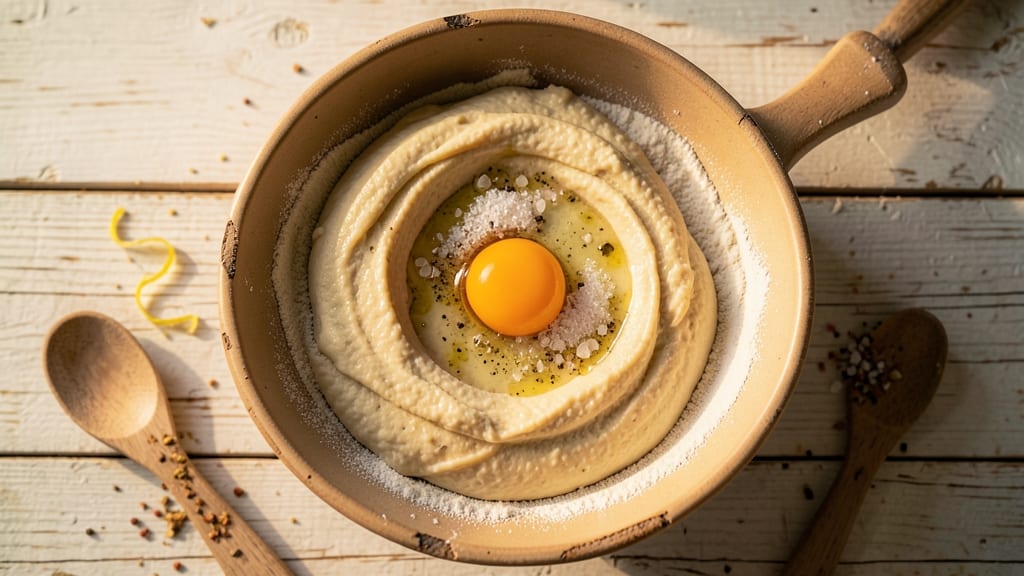
This almost no-knead bread recipe delivers restaurant-quality crust with minimal effort—perfect for busy home bakers. The secret lies in a slow fermentation that develops deep flavor and an open crumb, all while requiring just 5 minutes of hands-on time.
I’ve perfected this method over years of testing, and it never fails to impress, whether you’re feeding a family or treating yourself to homemade bread.
The process is foolproof: mix flour, yeast, water, and salt, let it rest overnight (or at least 4 hours), then shape and bake. The dough develops its own structure without kneading, resulting in a loaf with a crispy, golden-brown crust and a tender interior.
No special equipment is needed—just a bowl, a Dutch oven, and your oven. This is bread baking at its simplest, yet most rewarding.
By the time you pull that loaf from the oven, you’ll have a loaf that’s crusty on the outside, soft and airy inside, with a nutty aroma that fills your kitchen. The beauty of this recipe is its versatility—use it for sandwiches, toast, or dipping in olive oil.
It’s the kind of bread that makes you feel like a pro, even if you’ve never baked before.
Ready to try it? The 3-hour timeline includes hands-off resting, so you can focus on other tasks while your bread does the work. Here’s how to make it—no kneading required.
Ingredients for almost no knead bread
Seven simple ingredients transform into restaurant-quality bread with just 5 minutes of work.
| Ingredient | Amount | Notes |
|---|---|---|
| All-Purpose Flour 🌾 | 5 cups | Plus 2 tbsp for dusting |
| Active Dry Yeast 🍞 | ¼ tsp | Or 1 packet instant yeast |
| Large Eggs 🥚 | 1 whole | Room temperature preferred |
| Granulated Sugar 🍚 | ½ tsp | Enhances yeast activity |
| Salt 🧂 | 1 ½ tsp | Diamond Crystal preferred |
| Warm Water 💧 | 2 ½ cups | 110°F, not hot |
| Olive Oil 🫒 | 1 tbsp | For dough coating |
| Cornmeal 🌽 | ¼ cup | For Dutch oven base |
| Coarse Sea Salt 🧂 | 1 tbsp | For sprinkling crust |
Flour is the foundation—King Arthur or Gold Medal work best for that perfect open crumb. The yeast? Fresh is ideal, but instant yeast in the packet is foolproof. I always check the expiration date—old yeast makes for weak dough. Warm water is key: 110°F is perfect (test with your finger—should feel warm, not hot). If your kitchen is cold, let the water sit for 5 minutes to reach the right temp. The salt? Diamond Crystal dissolves better than table salt, giving you a more consistent flavor.
No yeast? Baking soda plus lemon juice creates a quick rise, though the texture won't be identical. Running short on flour? Whole wheat at half the amount adds nutrition but makes the crust denser. Olive oil can be swapped for melted butter (same amount), but it'll have a richer flavor. For the Dutch oven, any oven-safe pot with a lid works—even a cast-iron skillet in a pinch. The cornmeal is non-negotiable though—it keeps the bread from sticking like glue. Pro tip: Toast your cornmeal for 2 minutes in a dry pan first for extra crunch.
This dough is a 3-hour project with zero active time. Mix it, let it rest, then bake—simple as that. Store leftovers wrapped at room temp for 3 days, or freeze slices for 3 months. For reheating, wrap slices in foil and warm in a 350°F oven for 5 minutes. The crust stays crispy, the interior stays soft. I always bake two loaves—one for the family, one for my freezer stash. Trust me, you'll want seconds.
Why You'll Love This Recipe
- No-Knead Magic: Mixing is it—just flour, yeast, eggs, and sugar. No punchy arms, no sticky mess, just dump-and-stir simplicity that somehow still delivers restaurant-worthy crust.
- Sweet-Savory Crunch: That touch of sugar in the dough caramelizes just enough to give every bite a subtle sweetness, while the salt cuts through for a bright, balanced flavor. Honestly, it’s the kind of bread that makes toast taste like a treat.
- Weeknight Hero: Bake it once, eat it all week—sliced for sandwiches, toasted for breakfast, or even as a side for dinner. Between us, I’ve had it cold with soup and never looked back.
- Budget-Friendly Staple: Five ingredients, zero waste. The dough keeps for days, and you’ll use every last slice before it disappears. My wallet and my family both approve.
Step-by-step instructions for almost no-knead bread
Here's how to make a rustic, crusty loaf with minimal effort and maximum flavor.
Mix the Dough with Minimal Handling
In a large bowl, combine the 5 cups all-purpose flour, 1.5 teaspoons salt, and 0.25 teaspoon active dry yeast. Make a well in the center and add the 1 whole large egg, 0.5 teaspoon granulated sugar, 2.5 cups warm water (110°F), and 1 tablespoon olive oil. Mix with a wooden spoon until just combined—you're aiming for a shaggy, sticky dough that still has some dry spots.
This technique creates a dough with enough structure to hold its shape without overworking it. The sugar feeds the yeast while the salt balances fermentation. Don't worry if it looks messy—this is normal for no-knead bread. Cover the bowl with plastic wrap and let it rest at room temperature for 12-18 hours, or until it's nearly doubled in size and has bubbles along the surface.
Shape and Prepare the Dutch Oven
Once the dough has risen, lightly dust a surface with 2 tablespoons all-purpose flour (from the ingredients list) and turn out the dough. Gently fold the edges toward the center to create a round shape, then let it rest for 10 minutes. This brief rest helps the dough hold its shape during shaping.
While the dough rests, preheat your oven to 450°F. Place a 6-quart Dutch oven (with lid) in the oven to heat for at least 30 minutes. Sprinkle 0.25 cup cornmeal evenly on the bottom of the Dutch oven—this prevents sticking and adds a subtle flavor. Remove the hot Dutch oven from the oven and carefully transfer the shaped dough to it, seam-side up.
Steam and Bake for Crispy Crust
Quickly pour 1 cup hot water into the bottom of the Dutch oven (this creates steam for that iconic crust). Cover with the lid and bake for 30 minutes. After 30 minutes, remove the lid and sprinkle the dough generously with 1 tablespoon coarse sea salt. Return to the oven uncovered for another 15-20 minutes, until the bread is deep golden brown and sounds hollow when tapped on the bottom.
The steam phase develops the bread's signature open crumb, while the final uncovered bake creates that beautiful, crackly crust. If the top browns too quickly, tent loosely with foil to prevent burning. The internal temperature should reach 190-200°F when done.
Cool and Enjoy
Let the bread cool in the Dutch oven for 10 minutes, then transfer to a wire rack to cool completely. This resting period allows the steam inside to redistribute, preventing a gummy texture. The bread will be best when fully cooled—this is when the crumb structure sets properly.
Slice with a serrated knife and serve warm with butter or olive oil. The interior should be soft and airy with an open crumb, while the crust remains crispy. Store leftovers wrapped in a clean kitchen towel to maintain freshness for up to 3 days.
Pro Tips For Making Almost No Knead Bread
- MEASURE FLOUR BY WEIGHT: I learned this the hard way—volumetric measuring with all-purpose flour leads to dense, gummy loaves. Use a kitchen scale for the 500g (or 4 cups) of flour; pack it gently but firmly into the bowl. The slight compression mimics commercial bread flour’s density without overworking the dough.
- LET THE DOUGH REST LONGER: Sounds counterintuitive, but the overnight cold proof (12–16 hours) is where flavor develops. I used to rush it to 8 hours—my bread tasted flat. Cover the bowl tightly with plastic wrap, then refrigerate. The slow rise builds depth, and the cold firmness makes shaping easier later.
- SKIP THE EGG IF IT’S OLD: That extra richness from eggs is tempting, but old eggs (over 3 weeks) add bitterness and weaken gluten structure. Crack them into a separate bowl first—if the whites spread too fast or the yolks look watery, toss them. Fresh eggs make the dough stretchier and the crust more tender.
- STEAM THE OVEN FIRST: Preheat the Dutch oven and place a metal tray on the lower rack. Add 1 cup of boiling water to the tray 10 minutes before baking—this creates steam for the first 15 minutes. I was skeptical until I tried it: the crust stays soft and chewy longer, and the loaf rises higher. (Yes, even if you’re impatient like me.)
Serving suggestions for this almost no knead bread
Classic Toast Pairings
This bread shines when toasted with grass-fed butter or extra-virgin olive oil—I love drizzling it with honey or fig jam for a sweet-savory combo. For savory options, spread with garlic-herb compound butter or whipped feta. The crispy crust holds up perfectly to these toppings without getting soggy. 🥖
Sandwich Game-Changers
Use slices for gourmet grilled cheese—try sharp cheddar with caramelized onions or Gruyère with sun-dried tomatoes. For cold sandwiches, layer with prosciutto, arugula, and balsamic glaze. The open crumb soaks up flavors better than store-bought bread, making every bite more satisfying.
Dinner Sidekick
Serve warm alongside roasted vegetables (like brussels sprouts or carrots) or creamy soups (such as tomato basil). The bread's crust stays crispy even when paired with warm dishes.
I often bake two loaves—one for sandwiches, one for dipping in olive oil with a sprinkle of flaky sea salt.
Breakfast Upgrade
Toast slices and top with scrambled eggs, avocado, and hot sauce for a hearty breakfast. Or make French toast using this bread—its open crumb absorbs the custard beautifully.
For a lighter option, spread with almond butter and sliced banana. The crust adds a delightful crunch to any morning meal.
Dessert Twist
Dip warm slices in melted chocolate or Nutella for a quick dessert. The crust holds up better than soft breads, making it ideal for s'mores (toast slices, add chocolate, and top with marshmallows).
For a savory-sweet combo, brush with garlic butter, sprinkle with parmesan, and broil for 2-3 minutes.
Cocktail Companion
Pair with charcuterie boards featuring cured meats, aged cheeses, and dried fruits. The bread’s nutty flavor complements red wine (like Cabernet Sauvignon) or craft beer (such as IPA).
For a festive touch, serve with sparkling wine and olives—it’s the perfect bite-sized addition to any gathering. 🍷
Nutrition facts
Frequently asked questions
Why does this bread recipe require almost no kneading?
This method relies on a long fermentation period (12-18 hours) that develops gluten naturally through yeast activity and resting. The slow rise allows the dough to relax and develop structure without manual kneading, while the minimal handling keeps the process simple. The result is a bread with an open crumb and crispy crust—just like artisanal loaves!
Can I use whole wheat flour instead of all-purpose?
Yes, but replace only half of the all-purpose flour with whole wheat for best results. Whole wheat absorbs more liquid and can make the dough too dense. If you want 100% whole wheat, increase the water by 1-2 tablespoons and let the dough rest 24 hours for better texture. The flavor will be nuttier but slightly denser.
What if my dough doesn't rise overnight?
Check these three things first: yeast freshness (test in warm water with sugar—should bubble in 5 minutes), water temperature (110°F, not hot), and warm environment (place bowl in a slightly warm spot like near the oven with light on). If it still doesn't rise, try adding 1/4 tsp extra yeast and let it rest another 4-6 hours.
Do I really need a Dutch oven? Can I use a baking sheet?
A Dutch oven creates steam that gives the bread its signature crust and open crumb, but you can use a baking sheet in a pinch. Line it with parchment paper, add 1 cup boiling water to a tray on the lower rack, then cover the bread with foil during the first 30 minutes of baking. The crust won't be as crispy, but the bread will still be edible.
How do I store leftovers to keep them fresh?
Wrap cooled bread in a clean kitchen towel (not plastic) and store at room temperature for up to 3 days. For longer storage, slice and freeze for 3 months. To reheat, wrap slices in foil and warm in a 350°F oven for 5 minutes—this restores crispiness without drying it out. Never store bread in the fridge!