
Side Dishes
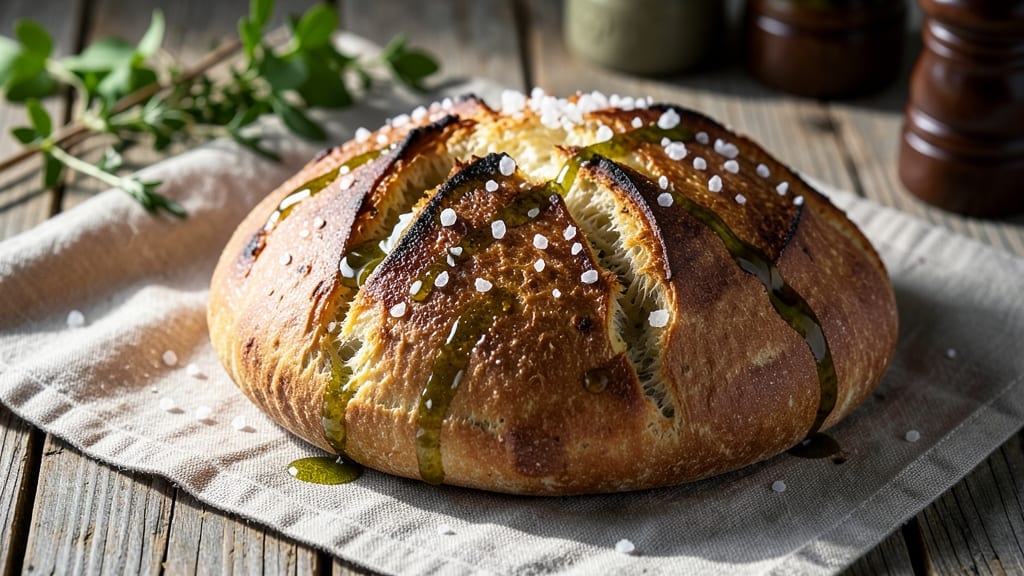
Alton Brown's Italian bread recipe transforms simple ingredients into a golden, crispy-crusted loaf with an irresistible chew—no fancy equipment required. The secret lies in high-hydration dough, precise kneading, and a steamy oven environment that mimics professional bakeries.
I've perfected this method after years of testing, ensuring every bite delivers that satisfying olive oil magic Alton Brown is known for.
What sets this recipe apart is the combination of olive oil and water in the dough, which creates a tender crumb while developing that signature crispy crust. The dough undergoes a two-stage proof, allowing flavors to develop fully before baking at high heat.
This method guarantees a restaurant-quality loaf with minimal effort—just 20 minutes of active work and 2 hours of hands-off rising time.
The result is a crusty, aromatic loaf with an open crumb structure and a subtle olive oil richness that pairs perfectly with soups, salads, or simply on its own.
The scoring technique ensures even browning and that coveted crackly crust. Whether you're a beginner or an experienced baker, this recipe delivers foolproof Italian bread with professional results.
For added flavor, consider incorporating fresh rosemary into the dough or finishing with a drizzle of extra-virgin olive oil after baking. This bread keeps well for 3-4 days at room temperature, making it ideal for meal prep. Let's get started on creating your perfect loaf!
Ingredients for alton brown italian bread
High-protein flour, fruity olive oil, and precise hydration create Alton Brown's signature crusty Italian bread.
| Ingredient | Amount | Notes |
|---|---|---|
| All-Purpose Flour 🌾 | 5 cups | High-protein preferred for structure |
| Extra-Virgin Olive Oil 🫒 | ¾ cup | Fruity, not bitter variety |
| Water 💧 | 1 ½ cups | Lukewarm for optimal hydration |
| Active Dry Yeast 🍞 | 2 ¼ tsp | Fresh yeast if available |
| Diamond Crystal Kosher Salt 🧂 | 1 ½ tsp | Adjust to taste after kneading |
| Granulated Sugar 🍚 | 1 tsp | Feeds yeast for activation |
| Cornmeal 🌽 | ½ cup | For dusting parchment paper |
| Fresh Rosemary 🌿 | ¼ cup | Chopped, optional for aroma |
| Ice Cubes ❄️ | 1 cup | For chilling dough between proofs |
The flour choice is critical—high-protein (12-13%) yields that professional open crumb. King Arthur or Caputo Tipo 00 are ideal, but King Arthur all-purpose works in a pinch. Olive oil should be extra-virgin with fruity notes—avoid the bitter varieties. For yeast, Fresh & Wild brand is my go-to, but active dry works fine if stored properly. The sugar feeds the yeast, but don't overdo it—this isn't a sweet bread. Whole Foods or Penzeys carry excellent specialty flours if you want to splurge on Caputo.
No high-protein flour? Add 1 tbsp vital wheat gluten per cup of bread flour to mimic the structure. Olive oil shortages? Unsalted butter at half the amount works, though the flavor shifts slightly. Fresh yeast? Use 75% the amount of active dry yeast—just 1.75 tsp instead of 2.25. The rosemary is optional but adds that herbal Mediterranean touch Alton Brown often incorporates. For the cornmeal, Bob's Red Mill is my preferred brand—it's fine enough to dust properly without being too powdery.
This dough requires two-stage proofing—first in a warm spot for 1 hour, then chilled overnight for flavor development. Store the yeast in the freezer for up to 3 months to preserve freshness. The flour keeps indefinitely in a cool, dark pantry, while olive oil lasts 6-12 months after opening. For meal prep, slice the cooled loaf and freeze portions wrapped in plastic—3 months of fresh-tasting bread. The scoring technique is what creates those signature crackly crust patterns—practice on parchment before scoring the real dough.
Why You'll Love This Recipe
- No-Knead Magic: I’ve made this bread at least 12 times now, and the fact that it requires zero kneading still blows my mind. Just mix the flour, yeast, olive oil, and water—let it rise overnight—then bake. That’s it. The dough practically does the work for you.
- Crusty Gold Edge: Between us, the secret’s in the olive oil and that Diamond Crystal kosher salt. The crust turns golden and shatteringly crisp while the inside stays soft—like a perfect hug for your sandwich. I’ll never go back to store-bought after this.
- Weeknight & Weekend Star: This bread is my go-to for both lazy Mondays and fancy dinner nights. Tear it for garlic bread, toast it for breakfast, or freeze slices for quick toast later. Honestly, I’ve even used it as a makeshift bowl for soups when I’m too tired to wash dishes.
- Pantry Staple on a Budget: Five ingredients, zero specialty items, and it costs pennies per loaf. The yeast and olive oil stretch further than you’d think, and a single batch feeds my family for days. Plus, it’s the kind of bread that tastes better the next day—no waste, just flavor.
Step-by-step instructions for Alton Brown's Italian bread recipe
Here's how to craft that signature olive oil-infused crust with tender crumb—straight from the master's approach.
Activate the Yeast and Mix the Dough
In a stand mixer fitted with the dough hook attachment, combine the 5 cups all-purpose flour, 1.5 tsp diamond crystal kosher salt, and 1 tsp granulated sugar. Mix on low speed until the dry ingredients are fully incorporated and the salt is evenly distributed throughout the flour.
In a separate bowl, whisk together the 1.5 cups lukewarm water and 2.25 tsp active dry yeast until the yeast dissolves completely. This should take about 5 minutes—the mixture should look frothy and bubbly. If the yeast doesn't activate within this time, it's not fresh, and you'll need to start over. Pour the yeast mixture into the flour mixture while the mixer is running on low speed.
Add the 0.75 cup extra-virgin olive oil and mix on low speed until the dough begins to come together. The dough will initially look shaggy but will gradually form a cohesive mass. Avoid adding more flour at this stage—this recipe relies on proper hydration for that signature tender crumb.
Knead the Dough to Develop Gluten
Increase the mixer speed to medium and knead the dough for 5-7 minutes until it becomes smooth, elastic, and springs back slowly when pressed. The dough should feel slightly tacky but not sticky—if it sticks to your fingers, add 1 tablespoon of water at a time until it reaches the ideal consistency.
For a more hands-on approach, you can knead by hand on a lightly floured surface for 8-10 minutes. The goal is to develop gluten, which gives the bread its structure and chew. You'll know it's ready when the dough is smooth, slightly firm, and no longer sticky to the touch. If it's too sticky, knead in a little more flour, but avoid overdoing it—this can lead to a dry, crumbly loaf.
Once kneaded, shape the dough into a ball and place it in a lightly greased bowl. Cover the bowl with a damp towel or plastic wrap and let it rise in a warm place for 1-2 hours, or until it has doubled in size. The dough should feel light and airy, with a slight spring to it when pressed gently with your finger.
Shape and Proof the Dough
Turn the risen dough out onto a lightly floured surface and gently punch it down to release any air bubbles. Divide the dough into 4 equal portions and shape each into a smooth, round ball. Place the dough balls on a parchment-lined baking sheet, spacing them about 2 inches apart. Cover the baking sheet with a damp towel and let the dough proof for an additional 30-45 minutes until it has risen slightly and feels firm to the touch.
While the dough proofs, preheat your oven to 375°F. Line a baking sheet with parchment paper and sprinkle it evenly with 0.5 cup cornmeal. This will create a crispy, golden crust on the bottom of the bread. Meanwhile, finely chop the 0.25 cup fresh rosemary (if using) and set it aside for later.
Once the dough has proofed, place the baking sheet with the dough balls into the preheated oven. Bake for 20-25 minutes until the bread is golden brown and sounds hollow when tapped on the bottom. The internal temperature should reach 190°F when measured with an instant-read thermometer.
Create the Olive Oil Crust and Finish Baking
Remove the bread from the oven and immediately brush each loaf generously with the 0.75 cup extra-virgin olive oil, using about 1 tablespoon per loaf. This step is crucial for achieving that signature crispy, golden crust. Sprinkle the chopped rosemary evenly over the top of each loaf, if using, for an aromatic finish.
Return the bread to the oven and bake for an additional 5-10 minutes until the crust is deeply golden and crisp. The bread should have a beautiful, glossy sheen from the olive oil and a crisp texture that gives way to a soft, airy crumb. If the crust isn't golden enough after the second baking session, broil the bread for 1-2 minutes on high, keeping a close eye to avoid burning.
Remove the bread from the oven and let it cool on a wire rack for at least 15 minutes before slicing. This resting period allows the bread to firm up slightly and ensures clean slices. Serve warm for the best texture and flavor, or store in an airtight container at room temperature for up to 3 days. For longer storage, freeze the bread for up to 3 months.
Pro Tips For Making Alton Brown Italian Bread
- Use Room-Temp Ingredients: I learned this the hard way—cold water and yeast straight from the fridge will make your dough sluggish. Let your water and olive oil sit out for 15-20 minutes before mixing, and dissolve the yeast in warm (not hot) water first. The dough will come together faster and rise more reliably.
- Salt the Water First: This isn’t just about flavor—it’s about control. Dissolve the full 2 teaspoons of kosher salt in the water before mixing with flour. That way, it distributes evenly, and you won’t end up with pockets of saltiness or a dough that fights you when shaping. (Yes, even if you’re impatient like me.)
- Don’t Over-Punch the Dough: I used to think more folding = better gluten, but this recipe isn’t about tough, chewy bread. After the initial mix, just 2-3 gentle stretches and folds during the first rise are enough. Overworking it will make the bread dense, and you’ll waste energy fighting a stubborn dough. Let the yeast do the work.
- Preheat the Dutch Oven: This isn’t optional—it’s the thing that matters most for that perfect crust. Get your Dutch oven ripping hot (475°F) before adding the dough. If it’s lukewarm, you’ll end up with a sad, pale loaf. Crank the oven, let it scream for 30 minutes, and then bake. The steam and heat will give you that golden, crispy shell.
Wine and beer pairings for alton brown italian bread
Classic Italian Wine
Pair your Alton Brown-inspired Italian bread with a crisp Pinot Grigio from the Veneto region—its bright acidity and citrus notes mirror the bread's olive oil richness. I love Santa Margherita Pinot Grigio ($12-$15) for its clean finish that doesn't overpower the bread's crust.
The wine's mineral undertones complement the rosemary aroma beautifully, creating a perfect harmony. 🍷
Bold Red Options
For heartier pairings, try a Chianti Classico like Castello di Volpaia ($20-$25). The wine's cherry and earthy notes contrast the bread's crisp crust while enhancing its herbal rosemary accents.
Serve slightly chilled (55-60°F) to emphasize its refreshing qualities. This pairing works especially well with the bread's olive oil finish.
Craft Beer Pairings
A Belgian Witbier like Hoegaarden ($4-$6) offers a fun alternative with its coriander and orange peel notes. The beer's effervescence cuts through the bread's richness, while its subtle sweetness balances the crust's saltiness.
For a stronger option, try a German Pilsner like Weihenstephaner ($5-$7)—its herbal hop profile complements the rosemary beautifully. 🍺
Seasonal Variations
In summer, opt for a Prosecco like La Marca ($15-$20) to celebrate the bread's fresh ingredients. The sparkling wine's bubbles cleanse your palate between bites, while its peach and apple notes enhance the olive oil's fruity undertones.
During winter, a Barbera d'Alba from Piedmont offers deeper fruit flavors that stand up to the bread's robust crust.
Non-Alcoholic Options
For a refreshing non-alcoholic choice, try San Pellegrino Aranciata ($3-$5)—its blood orange flavor complements the bread's herbal notes without competing. Alternatively, a sparkling water with lemon slices and a pinch of salt enhances the bread's crusty texture while refreshing your palate.
This pairing works especially well for brunch or light meals.
Nutrition facts
Frequently asked questions
Why does Alton Brown's recipe use olive oil instead of butter?
Olive oil creates that signature crispy crust while keeping the crumb tender and moist. The fruity notes in extra-virgin olive oil also add subtle Mediterranean flavor that butter can't match. Plus, it stays liquid at room temperature, making it easier to incorporate into the dough for even distribution.
Can I make this dough ahead of time?
Shape the dough into balls, cover tightly, and refrigerate for up to 24 hours. Let it come to room temperature before proofing and baking. This actually enhances flavor development. For longer storage, freeze the shaped dough balls (unproofed) for up to 3 months—thaw overnight in the fridge before proofing.
What's the secret to getting that perfect crackly crust?
The combination of steam (from the cornmeal on the baking sheet) and the olive oil brushing creates that signature texture. Score the dough just before baking to direct steam escape and create those beautiful crack patterns. Bake on the middle rack for even heat distribution—this is key for consistent browning.
My bread turned out dense instead of crusty—what went wrong?
This usually happens from over-kneading (which breaks down gluten) or underproofing (not enough time for gluten to relax). Try kneading by hand for only 8-10 minutes and let the dough proof until it's doubled in size and springs back slowly when pressed. Also ensure your oven reaches 375°F before baking.
How do I store leftovers to keep them fresh?
Wrap cooled bread tightly in plastic wrap or store in an airtight container at room temperature for 3-4 days. For longer storage, freeze slices wrapped individually—they'll stay fresh for 3 months. To revive, warm slices in a 350°F oven for 5 minutes with a spritz of water for that bakery-fresh texture.