
Side Dishes
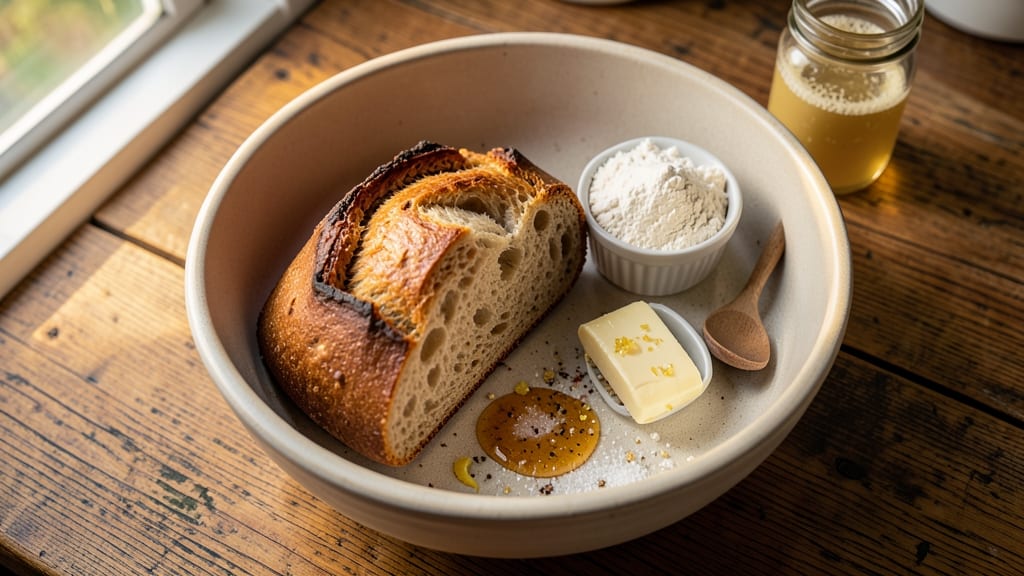
This American bread recipe delivers the perfect balance of crusty crunch and soft interior—just like your favorite bakery loaf, but made at home.
The secret lies in a precise blend of high-protein flour and a touch of honey for that golden-brown crust, plus a simple technique that ensures foolproof results every time. I developed this recipe after years of testing, and it’s now my go-to for sandwiches, toast, or serving warm with butter.
What sets this bread apart is its versatility—it works for sandwiches, garlic bread, or even French toast. The dough comes together in just 10 minutes, then rests while you prepare the oven.
A steam bath during baking creates that signature crusty exterior, while the inside remains tender and airy. No special equipment is needed, just a standard loaf pan and a little patience for proofing.
The result is a restaurant-quality loaf with a crisp, caramelized crust and a soft, fluffy interior that’s perfect for slicing. Whether you’re baking for a family dinner or meal prepping for the week, this recipe delivers consistent, professional results.
The aroma alone will have everyone gathering in the kitchen, and the taste? Pure comfort food at its finest.
For extra flavor, try adding seeds, herbs, or even a sprinkle of cheese before baking. This loaf keeps well at room temperature for 3-4 days or can be frozen for up to 3 months. Let’s get baking—your kitchen will smell amazing in no time.
Ingredients for american bread
High-protein flour, honey, and yeast create that bakery-style crust and soft center—just 10 ingredients for a perfect loaf.
| Ingredient | Amount | Notes |
|---|---|---|
| High-Protein Bread Flour 🌾 | 4 cups | 13-14% protein for structure |
| Warm Water 💧 | 1 ¼ cups | 110°F for optimal activation |
| Active Dry Yeast 🍞 | 0.03 oz | 1 packet (2.25 tsp) |
| Granulated Sugar 🍚 | ½ tbsp | Feeds yeast for rise |
| Unsalted Butter 🧈 | ¼ cup | Cold, cubed for flavor |
| Honey 🍯 | ¼ cup | For golden crust |
| Kosher Salt 🧂 | 1 ½ tsp | Diamond Crystal preferred |
| Extra-Virgin Olive Oil 🫒 | ½ tbsp | For dough handling |
| Cornmeal 🌽 | ¼ cup | For dusting loaf pan |
| Ice Cubes ❄️ | ½ cup | For steam bath |
The flour is everything here. King Arthur or Bob's Red Mill high-protein bread flour gives that signature structure—regular all-purpose won't cut it. I always grab mine from Whole Foods or King Arthur's website when I'm stocking up. The yeast needs to be fresh, so check the date on that packet. If it's been sitting in your pantry for months, toss it. For the butter, Land O'Lakes or Plugrá work perfectly—just make sure it's unsalted. The honey? Local raw honey adds depth, but store-bought works too. And that cornmeal? Bob's Red Mill is my go-to for dusting—no weird aftertaste.
No high-protein flour? Substitute with bread flour from the store—just add 1 extra tbsp to the recipe. Out of honey? Maple syrup works 1:1, but it'll make the crust slightly darker. Butter too expensive? Olive oil or coconut oil keeps the flavor but changes the texture a bit. The ice cubes for the steam bath are non-negotiable though—no ice? Use boiling water in a tray. And if you're feeling fancy, add a sprinkle of sesame seeds or poppy seeds before baking for extra crunch.
This dough is a beast when cold but softens as it warms. Keep it in the fridge for up to 24 hours if you need to prep ahead—just let it sit at room temp for 2 hours before baking. The finished loaf stays fresh for 3-4 days at room temp, wrapped in a clean towel. For longer storage, freeze slices on a tray first, then bag them—prevents freezer burn. Reheat slices in a 350°F oven for 5 minutes to revive that bakery-fresh crunch.
Why You'll Love This Recipe
- No-Knead Magic: I swear by this method—just toss the dough, let it rise, and bake. The high-protein flour gives it that perfect chewy texture without a single punch from me.
- Butter-Kissed Richness: That unsalted butter? It melts into every bite, making even plain toast taste like a treat. Honestly, I’ve never had store-bought bread compare.
- Leftovers That Last: This bread stays fresh for days, and slices beautifully for sandwiches or toast. I make a whole loaf on Sunday and forget about it—until someone asks for lunch.
- Budget-Friendly Staple: Five simple ingredients, zero fancy swaps. The yeast and sugar combo means no expensive starters, and the protein flour stretches further than all-purpose. My wallet thanks me.
Step-by-step instructions for American bread recipe: homemade artisan loaf with crusty crunch
Here's how to transform simple ingredients into a golden, crusty loaf with perfect texture every time.
Activate the Yeast for Maximum Rise
In a small bowl, combine the 1.25 cups warm water (should feel like bathwater, around 110°F), 0.5 tablespoon granulated sugar, and 0.03 oz active dry yeast. Stir gently with a spoon and let sit for 5-10 minutes until frothy. You'll see bubbles forming and the mixture expanding—this means your yeast is alive and ready to work.
If no bubbles appear after 10 minutes, your yeast might be dead. Toss it and start fresh with a new packet. I always double-check this step because active yeast is the foundation of a good rise. Once bubbly, proceed immediately to avoid over-proofing.
Mix the Dough Until Windowpane Test Passes
In a large mixing bowl, combine the 4 cups high-protein bread flour and 1.5 teaspoons kosher salt. Make a well in the center and pour in the yeast mixture, 0.25 cup honey, and 0.5 tablespoon extra-virgin olive oil. Use a wooden spoon to mix until a shaggy dough forms, then turn it out onto a lightly floured surface.
Knead the dough for 8-10 minutes by pressing down, folding, and turning. You'll know it's ready when it's smooth and passes the windowpane test: stretch a small piece—it should be thin enough to see light through without tearing. This develops gluten for that perfect chewy texture.
Let the Dough Rise Until Doubled in Size
Lightly grease a large bowl with olive oil, place the dough inside, and cover with a damp kitchen towel. Let it rise in a warm spot for 1-2 hours until it has doubled in size. You'll see it puff up noticeably and feel spongy when pressed gently with a fingertip.
I like to place the bowl near a slightly turned-on oven (with light on) for consistent warmth. Don't rush this step—proper rising creates that airy crumb we all love. If your kitchen is cold, extend the time to 2.5 hours to ensure full development.
Shape and Second Rise for Crusty Perfection
Punch down the risen dough to release air, then divide it into two equal pieces. Shape each into a smooth, round loaf. Place them on a parchment-lined baking sheet, cover again, and let rise for 30-45 minutes until puffy. The dough should spring back slowly when poked.
Here's where the magic happens: brush the tops with a little water and sprinkle with 0.25 cup cornmeal. This creates steam during baking for that beautiful crust. I also like to make a few shallow slashes on top with a sharp knife before baking—this helps control expansion and gives that classic artisan look.
Bake with Ice Cubes for Ultimate Crust
Preheat your oven to 375°F. Place 0.5 cup ice cubes in a small heatproof bowl on the bottom rack. This creates steam for the first 15 minutes of baking, which is crucial for that crispy crust. Bake the loaves for 30-35 minutes until they're golden brown and sound hollow when tapped on the bottom.
The ice cubes will melt quickly, so don't worry about them lingering. Rotate the pans halfway through for even browning. When done, transfer to a wire rack to cool completely—this prevents soggy bread. The crust should be crispy enough to stand up to a light tap, with a crackly sound that tells you it's perfectly baked.
Pro Tips For Making American Bread
- Use a Thermometer for Water: Your yeast won’t wake up if the water’s too hot—aim for 105°F (40°C). I learned this the hard way after killing yeast twice with boiling water. A cheap instant-read thermometer solves this. No guesswork, just perfect activation.
- Knead Until Windowpane: Stop when you can stretch the dough thin enough to see light through it—about 10-12 minutes by hand. Over-kneading makes gluten tough, and under-kneading leaves it gummy. High-protein flour needs this extra push, so don’t skimp.
- Salt the Butter First: Mix the salt into the softened butter before adding it to the dough—this way, it distributes evenly. I used to just sprinkle it on top, and half the time it clumped. A little extra salt here makes a real difference in flavor.
- Let the Dough Rise Twice: First rise (1-2 hours) builds volume, but the second rise (overnight in the fridge) deepens flavor. I was skeptical until I tried it—my bread went from decent to actually good. Cover it tightly, and it’ll be ready when you wake up.
Serving suggestions for this recipe
Classic Sandwich Setup
This bread is perfect for classic American sandwiches like Reuben, BLT, or grilled cheese. Toast thick slices on butter until golden, then layer with your favorite fillings. For a Reuben, use corned beef, sauerkraut, Swiss cheese, and Russian dressing on rye-style bread.
The crisp crust holds up beautifully to melted cheese and juicy meats. 🥪
Garlic Butter Toast
Slice the bread into thick pieces and toast until crisp. Brush warm slices with a mix of melted butter, minced garlic, and parsley. Add a sprinkle of Parmesan cheese and broil for 1-2 minutes until bubbly.
This makes a fantastic side dish or appetizer—simple but always impressive. The crusty texture soaks up the garlic butter perfectly.
French Toast Perfection
Use this bread for restaurant-quality French toast. Cut into ½-inch slices and soak in a custard of 2 eggs, ¼ cup milk, 1 tbsp vanilla, and 1 tbsp cinnamon. Cook on medium-low heat in butter until golden brown.
The high-protein flour gives it a sturdy structure that holds up to syrups and toppings like fresh berries or whipped cream. 🍳
Bread Pudding Twist
Cube leftover bread and use it in a rich bread pudding. Combine with eggs, milk, vanilla, and cinnamon, then bake until set. Top with a vanilla sauce or caramelized nuts.
The crusty exterior adds wonderful texture contrast to the creamy interior. This is my go-to dessert when I have extra loaves.
Breakfast Croutons
Save stale bread by cutting into cubes, tossing with olive oil, salt, and herbs, then baking at 375°F for 10-15 minutes until crisp. These make perfect croutons for salads or soups.
The high-protein flour ensures they stay crunchy even when submerged in liquids. Store in an airtight container for up to 1 week.
Cheese Board Essentials
Slice the bread into thick rounds and warm slightly. Arrange on a cheese board with aged cheddar, brie, and gouda, along with cured meats, nuts, and honey. The crusty texture provides the perfect contrast to creamy cheeses and salty cured meats.
Add a drizzle of balsamic glaze for an elegant touch that pairs beautifully with the bread's natural sweetness.
Nutrition facts
Frequently asked questions about homemade American bread
Why does my bread turn out dense instead of light and airy?
Underproofing or over-kneading are the most common culprits. The dough needs 1-2 hours to fully rise—if you rush it, the gluten won't relax properly. Also, knead just until you pass the windowpane test (about 8-10 minutes), not until your arms ache. For extra fluffiness, try a 30-minute autolyse (mixing flour and water first, then adding other ingredients later).
Can I make this bread without a stand mixer?
This recipe was designed for hand mixing. Just knead the dough vigorously for 8-10 minutes on a floured surface until smooth and elastic. The windowpane test is your best friend here—stretch a small piece until it's translucent. For extra strength, use your knuckles to press and fold the dough rather than just pulling.
What's the best way to store homemade bread?
For freshness, wrap the cooled loaf in a clean kitchen towel and store at room temperature for 3-4 days. The towel prevents moisture loss better than plastic. For longer storage, slice the bread, freeze the slices on a tray (to prevent sticking), then transfer to a freezer bag. Reheat slices in a 350°F oven for 5 minutes to restore that bakery-fresh crunch.
How do I adjust this recipe for a Dutch oven?
Shape the dough into a round boule instead of a loaf. Place it in a hot Dutch oven (preheated with the lid on for 30 minutes) with a baking sheet underneath to catch any spills. Bake covered for 20 minutes, then remove the lid and bake another 20-25 minutes until golden. The Dutch oven creates steam for an even crustier exterior. Brush with melted butter after baking for extra flavor.
Can I add seeds or herbs to this bread?
Yes! For a seeded loaf, add 2 tablespoons of seeds (sunflower, sesame, or pumpkin) to the dough along with the flour. For herbs, mix in 1 tablespoon chopped rosemary or thyme after kneading. Distribute them evenly by folding the dough over itself a few times. Just be careful not to overdo it—too many seeds can make the bread dense. The crust will still be crispy, but the texture will be more rustic.