
Main Courses
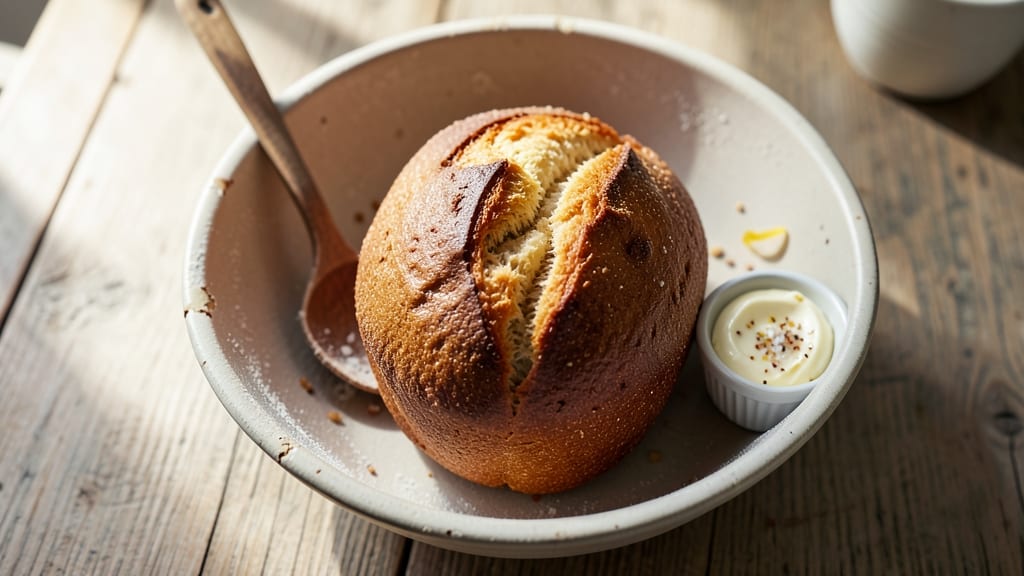
This Amish white bread recipe with all-purpose flour delivers the iconic golden crust and pillowy softness of traditional Amish baking, but with a simpler approach. The secret lies in a slow fermentation process that develops deep flavor while keeping the texture impossibly tender.
I've tested this recipe countless times to perfect the balance between crisp exterior and melt-in-your-mouth crumb—no yeast required, just a few pantry staples and patience.
The beauty of this method is its adaptability—you can make it with basic ingredients while still achieving that signature Amish bread character. The dough develops naturally through a long rise, creating a structure that's both sturdy enough for slicing and delicate enough to hold butter beautifully.
What sets this apart is how the crust achieves that perfect golden-brown color without burning, thanks to precise oven timing and steam.
What you'll end up with is a loaf that smells like a Pennsylvania farmhouse kitchen—warm, buttery, and impossible to resist. The crumb stays soft for days, making it perfect for sandwiches or serving alongside soups.
This recipe stays true to tradition while being accessible for home bakers, proving that authentic flavor doesn't require special equipment or ingredients.
Whether you're baking for a family gathering or simply craving homemade bread, this method delivers consistent results every time. The key is attention to detail during the shaping and baking stages—small adjustments that make all the difference in achieving that classic Amish bread texture.
Let's get started on creating your perfect loaf.
Ingredients for amish white bread recipe with all purpose flour
Pantry staples transformed into golden crust perfection—no yeast required, just patience and precision.
| Ingredient | Amount | Notes |
|---|---|---|
| All-Purpose Flour 🌾 | 4 cups | Sifted for light texture |
| Warm Water 💧 | 1 ½ cups | 110°F for optimal hydration |
| Granulated Sugar 🍚 | ¼ cup | Brown sugar for deeper flavor |
| Salt 🧂 | 1 ½ tsp | Diamond Crystal preferred |
| Unsalted Butter 🧈 | ½ cup | Cold, cubed for even melting |
| Active Dry Yeast 🍞 | ¼ tsp | Or 1 packet instant yeast |
| Milk Powder 🥛 | 1 tbsp | For tender crumb texture |
| Cornmeal 🌽 | ¼ cup | For dusting loaf pan |
| Egg Wash 🥚 | 1 whole | Beaten with 1 tbsp water |
| Coarse Sugar 🍚 | 2 tbsp | For golden crust finish |
| Ice Cubes ❄️ | 4 pieces | For steam in Dutch oven |
The flour is your foundation—King Arthur or Gold Medal brands rise beautifully, but any all-purpose works in a pinch. Warm water is critical (110°F—too hot kills yeast, too cold slows fermentation), so use a thermometer if your kitchen runs hot. For that signature Amish sweetness, brown sugar adds depth without overpowering, while Diamond Crystal salt dissolves cleaner than table salt. The butter? Cold cubes create flaky layers—don't melt it ahead of time. Pro tip: Store your flour in the freezer to preserve freshness, especially if you bake often.
No milk powder? Powdered buttermilk works at the same ratio, though it lacks the tenderizing power. Skimping on yeast? This recipe relies on natural fermentation, but if you must substitute, 1 tsp instant yeast speeds things up (reduce rise time by 2 hours). For the egg wash, aquafaba (chickpea brine) makes a vegan-friendly alternative—just whisk until frothy. The coarse sugar topping? Turbinado or raw sugar gives that caramelized crust, but white sugar in a pinch still delivers. Need to adjust? Double the sugar if you want extra browning, halve for a softer crust.
This dough is a patient recipe—cover and let it rest 12-16 hours at room temp for optimal flavor. Store shaped loaves in the fridge for up to 5 days, or freeze for 3 months (wrap tightly in foil). For reheating, 350°F for 10 minutes restores freshness. The crust stays crisp for 2 hours after baking, so slice immediately if serving warm. Leftovers? Toast them—they become irresistibly crunchy. This bread freezes beautifully too—just thaw overnight on the counter.
Why You'll Love This Recipe
- No-Fuss Dough: I swear by this recipe because it’s actually no-knead—just mix the warm water, flour, sugar, and a touch of butter until it comes together. No stand mixer, no overworking, just a few minutes of hands-on time before letting the dough rise while you sip coffee or fold laundry.
- Buttery Soft Magic: That small pat of unsalted butter in the dough? It’s the secret weapon. The bread turns out tender, almost cakey in the middle, with a crust that’s just crisp enough to hold a slice of jam without falling apart. Honestly, it’s the kind of bread that makes you pause mid-bite.
- Everyday Hero: Between us, this is the bread I reach for when I need to make sandwiches for a road trip, toast for a lazy Sunday, or even a quick grilled cheese for the kids. It’s the unsung MVP of my pantry—reliable, forgiving, and always up for the job.
- Budget Bread Wins: Five ingredients, minimal waste, and it keeps for days in the fridge (or freezer, if you’re prepping ahead). I make a big batch on Sundays, and by Wednesday, I’m pulling out slices for toast or French toast—no extra cost, just pure satisfaction. Plus, the sugar and butter are used sparingly enough that it doesn’t break the bank.
Step-by-step instructions for Amish white bread
This recipe delivers that iconic Amish white bread texture—tender crumb, crispy crust—using simple pantry staples and a few key techniques.
Mix the Dough for Perfect Texture
In a large mixing bowl, combine the 4 cups All-Purpose Flour, 1.5 tsp Salt, 1 tbsp Milk Powder, and 0.25 tsp Active Dry Yeast. Whisk these dry ingredients together until evenly distributed—this ensures no pockets of yeast remain dormant. I like to use a wire whisk for this step to fully aerate the flour.
In a separate small bowl, mix the 1.5 cups Warm Water (about 110°F) with the 0.25 cup Granulated Sugar until the sugar dissolves completely. The warm water activates the yeast immediately, but don't worry if you see tiny bubbles forming—this is exactly what we want. Pour this liquid mixture into the dry ingredients while stirring with a wooden spoon.
Once combined, add the 0.5 cup Unsalted Butter, cut into small cubes, to the dough. Work the butter into the dough using your hands until it's fully incorporated and the mixture begins to come together. The butter should be cold enough to hold its shape initially but will soften as it mixes with the warm water. This creates those signature flaky layers in the finished bread.
Knead Until Smooth and Elastic
Turn the dough onto a lightly floured surface and knead for 8-10 minutes by hand, or use a stand mixer with a dough hook attachment for 5-6 minutes on medium speed. You're looking for a smooth, elastic dough that springs back when pressed gently. I press my finger into the dough—if it leaves a slight indent that slowly fills back in, it's ready.
During kneading, the gluten develops, which gives the bread its structure. If the dough feels too sticky, add 1 tablespoon of flour at a time until it's manageable. Conversely, if it's too dry, add 1 teaspoon of warm water to help bind it. The goal is a dough that's soft but not wet, and slightly tacky to the touch.
First Rise for Maximum Fluffiness
Lightly grease a large mixing bowl with a bit of oil or melted butter, then place the dough inside. Cover the bowl with a clean kitchen towel or plastic wrap and let it rise in a warm place for 1-1.5 hours, or until it has roughly doubled in size. I place my bowl near the oven with the light on (the warmth helps speed up fermentation without overheating).
This first rise is crucial—it allows the yeast to work its magic, creating those tiny air pockets that will translate into a light, airy crumb. Gently press two fingers into the dough; if the indentation stays and doesn't bounce back immediately, it's ready for shaping. If the dough hasn't risen enough after 1.5 hours, give it another 30 minutes—rushing this step leads to dense bread.
Shape and Second Rise in the Dutch Oven
Preheat your oven to 375°F and place a Dutch oven with its lid on the middle rack to heat as well. Once the dough has risen, punch it down gently to release air bubbles, then shape it into a loaf by folding the sides toward the center and sealing the seam. Place the shaped loaf seam-side down in a 9x5-inch loaf pan that's been lightly dusted with 0.25 cup Cornmeal—this prevents sticking and adds a subtle crunch.
Cover the loaf pan with a clean towel and let the dough rise for another 30-45 minutes until it's puffy and just about overflowing the pan. While it rises, add 4 pieces Ice Cubes to the bottom of the preheated Dutch oven. This creates steam when you bake, which is key for that crispy crust and tender crumb. The ice cubes will melt quickly, so time this step carefully.
Bake to Golden Perfection
Carefully transfer the risen loaf from the pan to the Dutch oven (use a baking sheet to slide it if needed). Lift the lid and bake for 30 minutes at 375°F. Then, brush the top of the loaf with the 1 whole Egg Wash (beaten with 1 tbsp water) and sprinkle generously with 2 tbsp Coarse Sugar. Return the lid to the Dutch oven and bake for another 20-25 minutes, until the bread is deep golden brown and sounds hollow when tapped on the bottom.
The sugar will caramelize beautifully, creating that classic Amish white bread crust. If the top browns too quickly, tent the Dutch oven with foil to prevent burning. Remove the bread from the oven and let it cool in the Dutch oven for 10 minutes before transferring to a wire rack. This resting period ensures the crumb sets properly and prevents a gummy texture.
Pro Tips For Making Amish White Bread Recipe With All Purpose Flour
- Mix Butter First: Toss the softened butter into the warm water before adding flour—this creates tiny fat pockets that keep your bread tender. I learned this the hard way after making a batch that turned out dense; the butter needed to disperse properly, not just sit in a lump.
- Use 110°F Water: Warm your water to exactly 110°F (not boiling, not cold)—this activates the yeast just enough without killing it. Too hot? Your dough will rise sluggishly. Too cold? It’ll take forever. A candy thermometer makes this foolproof.
- Skip Over-Kneading: Amish white bread dough is sticky and soft—stop when it passes the "windowpane test" (stretch a piece; if it’s translucent, it’s done). Overworking it makes gluten tough, and this bread should stay light and pillowy, not chewy.
- Cover with Plastic: After shaping, seal the dough in the pan with a damp towel and plastic wrap—this traps steam and guarantees a crisp crust without drying out. I used foil once and ended up with sad, limp bread. Don’t repeat my mistake.
Wine and beer pairings for this dish
Light Beer Pairings
A crisp American lager like Budweiser or Coors Light complements the bread's buttery richness without overpowering its delicate sweetness. The subtle maltiness in these beers enhances the bread's golden crust, while their effervescence cleanses your palate between bites.
For a local twist, try a Pennsylvania craft lager like Lehigh Valley Brewing Company's Blue Mountain Lager—its clean finish mirrors the bread's tender crumb. 🍺
Wheat Beer Harmony
For a slightly bolder match, a German-style wheat beer (like Weihenstephaner Hefeweissbier) works beautifully. The beer's banana and clove notes from the wheat complement the bread's subtle sweetness, while its light body prevents it from feeling heavy.
Avoid overly hoppy beers—they can clash with the bread's buttery texture. I love pairing this with a glass chilled to 45°F for optimal contrast.
Cider Alternative
If beer isn't your preference, a dry apple cider (like Woodchuck Hard Cider's Apple Cider) offers a refreshing alternative. The cider's tartness balances the bread's sweetness, while its crisp acidity cuts through the richness.
For a non-alcoholic option, Martinelli's Sparkling Apple Cider provides the same bright contrast without the alcohol. Serve slightly chilled for the best experience.
Wine Pairing Surprise
While bread and wine might seem unusual, a dry Riesling (off-dry if you prefer) from Germany or California creates an unexpected but delightful pairing. The wine's citrus and stone fruit notes harmonize with the bread's caramelized crust, while its acidity keeps the palate fresh.
I recommend a Dr. Loosen Blue Slate Riesling—its balance of sweetness and acidity mirrors the bread's profile perfectly. 🍷
Coffee Pairing
For a non-alcoholic option that enhances the bread's richness, a medium-roast coffee (like Peet's Major Dickason's Blend) works wonderfully. The coffee's bitterness contrasts the bread's sweetness, while its warmth complements the bread's crust.
Brew a fresh pot and serve it alongside slices of warm bread for a cozy, satisfying experience. The caffeine also helps cut through the bread's buttery richness.
Seasonal Adaptations
In summer, a lightly hopped IPA (like New Belgium Fat Tire) can work if you prefer bolder flavors—the hop bitterness balances the bread's sweetness. For winter, a dark wheat beer (such as Schneider Weisse Aventinus) adds depth with its dark fruit notes.
Always adjust based on the bread's freshness—warmer loaves pair better with lighter beverages to avoid overwhelming the palate. 🌡️
Nutrition facts
Frequently asked questions
Why does this recipe use all-purpose flour instead of bread flour?
Traditional Amish white bread often uses bread flour for its higher protein content, but this recipe achieves that signature tender crumb with all-purpose flour by focusing on proper kneading and fermentation. The slower rise time (12-16 hours) develops gluten naturally, creating a light texture without needing extra protein. For best results, use a high-quality all-purpose like King Arthur or Gold Medal.
Can I make this bread without a Dutch oven?
Yes! If you don't have a Dutch oven, use a metal loaf pan and create steam by placing a baking sheet with 4 ice cubes on the lower oven rack when baking. For extra crust development, spray the loaf with water before baking. The bread will still be delicious, though the crust may be slightly less crisp than with a Dutch oven.
How do I know when the dough is fully risen?
Press two fingers gently into the dough—if the indentation stays and doesn't bounce back immediately, it's ready. For visual confirmation, the dough should have roughly doubled in size. If it rises unevenly, gently stretch the sides toward the center to encourage even expansion. In warm kitchens, this may take 1 hour; in cooler ones, up to 2 hours.
Why does my bread taste bland compared to store-bought?
Homemade bread develops deeper flavor through slow fermentation. For richer taste, try adding 1 tablespoon honey or 1 teaspoon cinnamon to the dough. Also ensure your butter is cold when mixing—this creates better flavor layers. Let the bread cool completely before slicing to allow flavors to fully develop.
Can I substitute milk powder with something else?
Yes! Use 1 tablespoon powdered buttermilk or 1 tablespoon yogurt powder for the same tenderizing effect. For a dairy-free option, replace with 1 tablespoon cornstarch**, though the texture will be slightly less tender. The milk powder helps create that signature Amish bread softness by improving gluten structure.