
Side Dishes
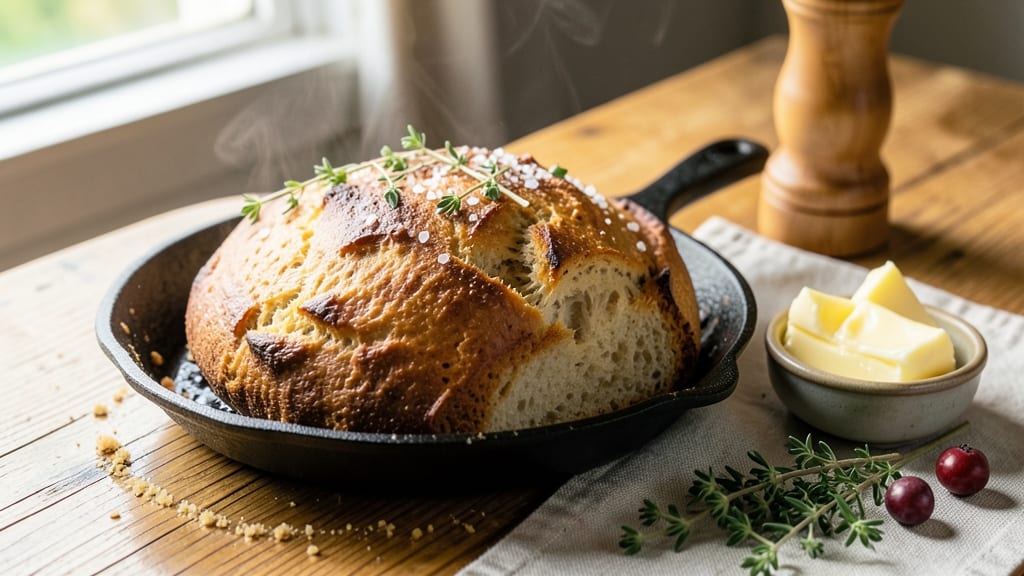
This Antigua Sunday bread recipe brings the island's legendary spiced rum-infused loaf tradition to your kitchen with caramelized sweetness and warm cinnamon notes. 🌟 The secret lies in slow fermentation and a touch of rum that transforms ordinary bread into a centerpiece worthy of Caribbean family gatherings.
Unlike quick breads, this requires patience—kneading, proofing, and baking techniques passed down through generations.
The dough starts with a rich blend of flour, sugar, and spices like cinnamon and nutmeg, creating an aromatic base that develops deeper flavor during overnight proofing.
The rum infusion adds a subtle warmth that balances the sweetness, while butter and brown sugar create that signature caramelized crust that crackles when sliced. This isn't just bread—it's a celebration of tradition, where every bite carries the soul of Antigua's baking heritage.
What makes this recipe special is its versatility—serve it fresh from the oven for breakfast with jam, or toast slices the next day for a sweet treat. The foolproof method ensures a perfectly domed loaf with a tender crumb and crisp exterior, even for home bakers.
With just a few key techniques and simple ingredients, you'll achieve restaurant-quality results that taste like Sunday mornings in the Caribbean.
For those who prefer a savory twist, variations include adding cheese or herbs to the dough, though purists swear by the classic sweet version. The recipe scales beautifully for gatherings, and leftovers keep well for days.
Let's create this iconic loaf that's as much about tradition as it is about taste.
Ingredients for antigua sunday bread
Caribbean tradition meets home baking with these aromatic ingredients for Antigua Sunday bread.
| Ingredient | Amount | Notes |
|---|---|---|
| All-Purpose Flour 🌾 | 4 cups | High-protein for structure |
| Granulated Sugar 🍚 | 1 cup | White or light brown |
| Packed Brown Sugar 🍚 | ½ cup | For caramelized crust |
| Unsalted Butter 🧈 | ½ cup | Cold, cubed for dough |
| Active Dry Yeast 🍞 | 2 ¼ tsp | Freshly opened packet |
| Whole Milk 🥛 | 1 cup | Warm (110°F) for activation |
| Large Eggs 🥚 | 1 whole | Room temperature |
| Ground Cinnamon 🌿 | 2 tsp | Freshly ground preferred |
| Ground Nutmeg 🌿 | ½ tsp | Freshly grated nutmeg |
| Light Rum 🍹 | 2 tbsp | Antiguan or spiced rum |
| Diamond Crystal Kosher Salt 🧂 | 1 tsp | For dough and crust |
| Turbinado Sugar 🍚 | ¼ cup | For caramelized topping |
| Dark Brown Sugar 🍚 | ¼ cup | For crust depth |
The flour is the foundation—King Arthur or Gold Medal brands yield the best texture. For the rum, Appleton Estate or Gosling's deliver authentic island flavor, though any light rum works. Nutmeg must be freshly grated for maximum warmth; pre-ground loses potency quickly. The butter should be cold when mixed into the dough to prevent overdevelopment. If you're using a stand mixer, attach the paddle attachment for the initial dough mixing to avoid gluten overdevelopment.
No light rum? Dark rum at half the amount works, though it may darken the crust slightly. Substitute the whole milk with warm water plus 1 tbsp melted butter if needed. For a dairy-free version, use unsweetened almond milk and vegan butter, though texture may vary. The yeast is critical—ensure it's fresh by testing in warm water with sugar (should foam within 5-10 minutes). If your recipe calls for a savory twist, swap half the sugar for grated Parmesan cheese and add 1 tsp dried thyme to the dough.
Store the baked loaf in an airtight container at room temperature for up to 3 days, or freeze for 3 months. For maximum freshness, wrap cooled loaves in parchment paper before storing. The rum-infused dough can be refrigerated for up to 24 hours before shaping, though it's best baked fresh. To revive stale bread, warm in a 300°F oven for 10 minutes with a splash of water in the pan.
Why You'll Love This Recipe
- Sweet Simplicity: I swear by this dough—just mix, let it rise, and bake. No fancy techniques, no stress. The yeast does all the work while you sip tea.
- Butter-Sugar Magic: That combo of brown and granulated sugar with softened butter? It creates a tender crumb with a caramelized crust that melts in your mouth. Honestly, it’s the kind of flavor that makes you want to bake just for the sake of eating it.
- Sunday Morning Flex: Perfect for brunch, picnics, or even as a dessert after dinner. Slice it fresh for guests or pack it for lunch—it stays moist for days. (Yes, even on a Tuesday night.)
- Budget Baking Win: Uses pantry staples and stretches far—one loaf feeds a family, and leftovers toast up just as well. I’ll be real: this is my go-to when I need something impressive without breaking the bank.
Step-by-step instructions for Antigua Sunday bread
This method delivers a rich, spiced loaf with a caramelized crust and moist interior—perfect for Sunday gatherings.
👨🍳 Step 1: Activate the Yeast and Prepare the Dough Base
In a small bowl, combine the 1 cup warm whole milk (about 110°F) with the 2.25 tsp active dry yeast and let sit for 5-10 minutes until frothy. This step ensures your yeast is active and ready to work—you'll see bubbles forming on the surface when it's ready.
In a large mixing bowl, whisk together the 4 cups all-purpose flour, 1 cup granulated sugar, 0.5 cup packed brown sugar, 2 tsp ground cinnamon, 0.5 tsp ground nutmeg, and 1 tsp diamond crystal kosher salt. The dry ingredients should be evenly distributed with no visible streaks of flour.
Add the yeast-milk mixture, 1 whole large egg, and 0.5 cup cold cubed unsalted butter to the dry ingredients. Mix with a wooden spoon until a shaggy dough forms. Here's the thing—don't overmix yet. The dough will come together as you work it.
👨🍳 Step 2: Knead and Develop Gluten for Structure
Transfer the dough to a lightly floured surface and knead for 8-10 minutes until smooth and elastic. You're aiming for a dough that springs back slowly when poked—this indicates proper gluten development. I like to use the "windowpane test" here: stretch a small piece of dough thin enough to see light through it without tearing.
During kneading, add the 2 tbsp light rum gradually, about 1 tablespoon at a time. The alcohol will evaporate during baking, leaving behind warm spiced notes. If the dough feels too sticky, add flour 1 tablespoon at a time—but don't overdo it, or your bread will become dense.
Once kneaded, place the dough in a lightly greased bowl, cover with a damp towel, and let rise in a warm place for 1-2 hours or until doubled in size. The dough should puff up noticeably and feel light when pressed gently with one finger.
🔥 Step 3: Shape and Second Rise for Texture
Punch down the risen dough to release air, then shape it into a 9x5-inch loaf pan (greased with butter). Press the dough gently into the corners of the pan to ensure even baking. The rum-infused dough will be slightly sticky—don't worry, it's normal.
For the second rise, cover the loaf pan with a damp towel and let the dough rise for another 30-45 minutes until it domes slightly above the pan. This step is crucial for that tender crumb we're after. The edges should pull away from the pan just a bit when you gently press them.
While the dough rises, preheat your oven to 350°F. Here's where the magic happens: sprinkle the 0.25 cup turbinado sugar and 0.25 cup dark brown sugar evenly over the risen dough. These sugars will caramelize beautifully during baking, creating that signature Antigua crust.
🔥 Step 4: Bake to Golden Perfection
Bake the loaf for 50-55 minutes until the top is deep golden brown and a toothpick inserted in the center comes out clean. The edges should pull away from the pan easily, and you'll smell that irresistible caramelized sugar aroma filling your kitchen.
For the final touch, increase the oven temperature to broil for 1-2 minutes to intensify the caramelization on top. Watch closely—you want a deep amber color, not burnt spots. Let the bread cool in the pan for 10 minutes, then transfer to a wire rack to cool completely.
This resting period is essential—it allows the moisture to redistribute, preventing a gummy texture. The bread will be at its best when fully cooled, with a tender crumb and that signature caramelized crust that's slightly crisp yet soft to the touch.
Pro Tips For Making Antigua Sunday Bread
- MEASURE BROW SUGAR PACKED: The recipe calls for packed brown sugar, not scooped. I learned this the hard way—scooped sugar means less moisture, and your bread will turn out denser. Use a spoon to press it firmly into the cup, then level it off. That extra syrup makes all the difference in keeping the crumb tender.
- SOFTEN BUTTER BEFORE MIXING: Cold butter in Antigua Sunday Bread? Nope. Take it out of the fridge 30 minutes before you start, or microwave it in 10-second bursts until it’s just pliable—not melted. Lumpy butter means uneven texture, and nobody wants dry pockets in their bread. Trust me, your dough will thank you.
- DON’T OVERKNEAD THE DOUGH: This isn’t pizza dough—handle it gently. Once the gluten starts developing (around 5-7 minutes by hand), you’ll see it pull away from the bowl. Stop there. Overworking it makes the bread tough, and that’s the last thing you want in a sweet, buttery loaf. Feel for resistance, not stretchiness.
- LET THE YEAST RISE TWICE: Skipping the second rise is a rookie move. After the first rise (usually 1-2 hours), punch down the dough, shape it, and let it rise again—about 30-45 minutes. This ensures even baking and that perfect rise. I used to rush it, and the bread would collapse in the oven. Patience here = golden crust.
Storing and reheating this dish
Room-Temp Revival
If your Antigua Sunday bread develops a dry crust after a day or two, don't toss it! Place the loaf in a preheated 300°F oven for 10-15 minutes with a small bowl of water on the lower rack.
The steam will restore moisture while the heat reactivates the caramelized sugars. For extra flavor, brush the warm crust with 2 tbsp melted butter mixed with 1 tsp rum. 🔥
Freezer Preservation
Wrap fully cooled loaves tightly in plastic wrap followed by foil to prevent freezer burn. Store in an airtight freezer bag with the date marked—this bread keeps for up to 3 months without losing its signature caramelized flavor.
When ready to serve, thaw at room temperature for 2-3 hours or reheat wrapped in foil at 325°F for 15 minutes.
Overnight Storage
For short-term storage, keep baked loaves in an airtight container at room temperature for up to 3 days. The rum-infused dough actually improves overnight as the spices meld together. To maintain freshness, place a slice of bread in the container—it absorbs excess moisture and keeps the rest soft.
For reheating, wrap slices in aluminum foil and warm in a 350°F oven for 5-7 minutes.
Rum-Infused Tips
The rum adds incredible flavor but requires special handling. If storing the dough before baking, refrigerate it in an airtight container for up to 24 hours. Before shaping, let it sit at room temperature for 30 minutes to activate the yeast properly.
For extra richness, brush the baked loaf with 1 tbsp rum while still warm—this creates a glossy finish and deeper spiced aroma. ✨
Crust Refresh
If the caramelized crust loses its crispness, revive it by broiling for 1-2 minutes at the end of reheating. For a quick fix, sprinkle 1 tsp turbinado sugar over the crust and broil until melted and golden.
This technique works best when reheating slices—place them on a baking sheet and broil for 30 seconds to recreate that fresh-from-the-oven texture. 💫
Portion Control
Slice the loaf into ½-inch thick pieces for even reheating. Store individual slices in ziplock bags with parchment paper between layers to prevent sticking. Reheat slices in a toaster oven at 350°F for 3-4 minutes—this method maintains the crust's integrity better than a microwave.
For sandwiches, lightly toast slices before assembling to preserve that caramelized flavor. 🥖
Nutrition facts
Frequently asked questions about Antigua Sunday bread
Why does Antigua Sunday bread need overnight proofing?
The extended proofing (1-2 hours) develops complex flavors from the spices and rum while creating that signature tender crumb. The slow fermentation allows the yeast to work gently, producing a lighter, airier texture than quick breads. This traditional technique is key to the bread's authentic taste and texture.
Can I substitute the rum with another liquid?
Yes, but the flavor will differ. Use 2 tbsp orange juice concentrate or 2 tbsp molasses for depth, though rum's warm notes are irreplaceable. Never use vanilla extract—it lacks the alcohol content that evaporates during baking, leaving behind the spiced essence. For a non-alcoholic version, try 2 tbsp apple cider instead.
What makes the crust so caramelized?
The magic comes from the turbinado and dark brown sugar sprinkled before baking, plus the broiling step. These sugars melt and crystallize during baking, creating that signature crackly crust. For extra color, brush the baked loaf with 1 tbsp melted butter while warm—this enhances the caramelization and adds richness.
How do I know when the dough is fully proofed?
Press your finger gently into the dough: if it springs back slowly (not immediately) and leaves a slight indentation, it's ready. For visual confirmation, the dough should double in size and feel light when lifted. In warm kitchens, this takes 1-1.5 hours; in cooler climates, allow up to 2 hours. A toothpick inserted should come out clean with no dough clinging.
Can I make this bread without a loaf pan?
Yes! Shape the dough into a round or oval on a parchment-lined baking sheet. For a rustic look, dimple the top with your fingers before baking. The crust will be thicker but equally delicious. If using a cast-iron skillet, grease it well and bake at 375°F for 40-45 minutes, rotating halfway through for even browning.