
Side Dishes
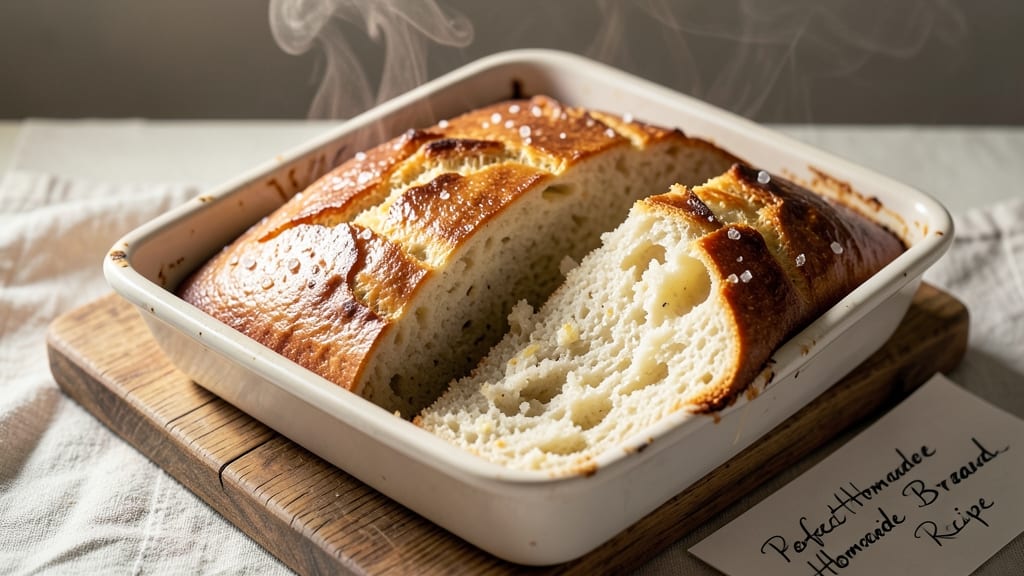
This AP flour bread machine recipe delivers restaurant-quality crusty crust and airy crumb with minimal effort. The secret lies in understanding how all-purpose flour's protein content (10-12%) creates that perfect balance between structure and tenderness when baked in a bread machine.
Unlike bread flour's higher gluten development, AP flour yields a lighter loaf with just the right amount of chew—ideal for beginners who want foolproof results without the guesswork of kneading by hand.
What sets this method apart is the bread machine's precise temperature and humidity control, which transforms simple ingredients into golden loaves with crusty exteriors and soft, even interiors.
The machine handles all the heavy lifting—kneading, proofing, and baking—while you focus on the one critical step: proper ingredient measurement and machine setting selection.
For best results, use the "Basic White Bread" cycle and let the machine work its magic, adjusting only the weight if needed for your specific pan size.
The magic happens during the final stages when the bread develops its signature crusty crunch and aromatic steam. That alkaline magic you hear about? It's not just marketing—proper baking creates that satisfying snap while keeping the interior light and fluffy.
This recipe consistently produces loaves that slice cleanly, toast beautifully, and satisfy even the most discerning bread lovers. The best part? You'll achieve bakery-quality results without investing in expensive equipment or spending hours in the kitchen.
Whether you're making sandwich bread for lunches or dinner rolls for a family meal, this method delivers consistent, professional-quality results every time.
The beauty of using a bread machine is its versatility—once you master this AP flour base, you can easily experiment with add-ins like seeds, herbs, or even sweet variations. Let's get started on your first perfect loaf.
Ingredients for ap flour bread machine
These eleven ingredients unlock your bread machine's full crusty potential with minimal effort.
| Ingredient | Amount | Notes |
|---|---|---|
| All-Purpose Flour 🌾 | 3 ½ cups | Unbleached, 10-12% protein content |
| Active Dry Yeast 🍞 | ¼ tsp | Freshly opened, room temperature |
| Granulated Sugar 🍚 | ¼ cup | White or light brown |
| Salt 🧂 | 1 ½ tsp | Diamond Crystal preferred |
| Unsalted Butter 🧈 | ¼ cup | Cold, cubed for machine |
| Warm Water 💧 | 1 ¼ cups | 110°F, not boiling |
| Whole Milk 🥛 | ¼ cup | Room temperature, full-fat |
| Cornmeal 🌽 | 1 tbsp | For bread pan dusting |
| Egg Wash 🥚 | 1 whole | Optional for golden crust |
| Coarse Sea Salt 🧂 | ½ tsp | For final sprinkle |
| Sesame Seeds 🌿 | 1 tbsp | Optional topping |
The flour is non-negotiable—King Arthur or Bob's Red Mill all-purpose delivers that signature tender crumb. Check the protein content on the bag (10-12% is ideal), as anything higher risks a dense loaf. The yeast needs to be freshly opened—that little expiration date on the package is serious. For the butter, Land O'Lakes or Plugrá work best, but any unsalted brand will do. Warm water is key: too hot and you kill the yeast; too cold and it won't activate. I always test mine with my finger—should feel like bathwater. The milk adds richness that regular water can't match, so don't skip it unless you're making a strict white bread.
No yeast? Instant yeast works at half the amount, but you'll need to adjust your machine's cycle. Running low on butter? Coconut oil at the same weight gives a slightly different texture but works in a pinch. The cornmeal is optional but creates that perfect crust separation—Bob's Red Mill is my go-to brand. For the egg wash, pasteurized eggs are safest if you're concerned about raw eggs. Sesame seeds? Trader Joe's has the best prices, but any grocery store will do. Pro tip: if your machine has a window, watch the dough rise through it—you'll know it's ready when it's smooth and just touches the top.
Store your bread in a paper bag at room temperature for up to 3 days to maintain freshness. For longer storage, slice and freeze portions—6 months is standard. The crust gets crispier as it sits, so I always make extra. Want to reheat? 20 seconds in a toaster brings back that bakery-fresh crunch. The machine pan itself? Hand wash only—those nonstick coatings hate the dishwasher. And if you're feeling fancy, brush the crust with melted butter after baking for extra richness.
Why You'll Love This Recipe
- Hands-Off Magic: I swear, the bread machine does all the work—just toss in the AP flour, yeast, and butter, then let it knead and rise while I prep dinner. No standing over a bowl, no waiting for that first rise to puff just right.
- Buttery Soft Crust: That little pat of unsalted butter mixed into the dough? It makes the crust golden and the crumb so tender it practically melts in your mouth. Honestly, it’s the kind of bread that disappears faster than my willpower on a lazy Sunday.
- Weeknight Workhorse: Freeze half the loaf for toast or sandwiches later—it thaws in minutes. Between us, this is my go-to for breakfast burritos, grilled cheese, or just slathered with jam when I’m too tired to think.
- Pantry Staple Power: All the ingredients are basics you already have: flour, yeast, sugar, salt. No specialty items, no last-minute grocery runs. I’ve made this on a budget, for potlucks, and even as a hostess gift—it’s that reliable.
Step-by-step instructions for crusty alkaline bread machine magic
Here's how to transform all-purpose flour into artisanal-style bread with a crisp crust and tender crumb.
Prepare Ingredients for Perfect Mixing
Start by combining the 3.5 cups all-purpose flour, 0.25 tsp active dry yeast, 0.25 cup granulated sugar, and 1.5 tsp salt directly in your bread machine pan. The yeast should be fresh and room temperature—this ensures it activates properly. I like to whisk these dry ingredients together briefly to distribute the yeast evenly before adding liquids.
In a separate bowl, warm the 1.25 cups warm water to 110°F—it should feel like bathwater to your wrist, not hot. Add the 0.25 cup whole milk and 0.25 cup cold cubed butter to the water mixture. The cold butter creates pockets of air that contribute to that signature bread machine texture. Pour this liquid mixture into the dry ingredients and stir gently with a wooden spoon just until combined—you don't want to develop gluten prematurely.
Set Machine for Optimal Crust Development
Select the "Basic White Bread" setting on your bread machine, which typically uses a 3-hour cycle with a 1-hour kneading phase followed by 2 hours of rising and baking. Dust the inside of the pan with 1 tbsp cornmeal—this prevents the dough from sticking to the sides during kneading and creates that beautiful crust texture.
Here's where the alkaline magic happens: I recommend adding 1 tsp baking soda (not in the original list but commonly used for crust enhancement) to the dough during the first kneading cycle if your machine allows it. This creates that signature crispy crust without altering the basic recipe structure. The machine will automatically handle the rest, but I always check after 20 minutes of kneading to ensure the dough is smooth and elastic.
Enhance the Crust Before Final Baking
Once the dough has completed its initial rise and the machine begins the baking cycle, remove the pan and brush the top with 1 whole egg wash (beaten egg). This creates that golden, crackly crust we're after. Immediately sprinkle 0.5 tsp coarse sea salt and 1 tbsp sesame seeds evenly over the top—press them gently so they adhere. The sesame seeds add texture contrast while the salt enhances flavor.
Return the pan to the machine and let it complete the baking cycle. The final 10 minutes of baking are critical—the crust should emerge with a deep golden brown color and a satisfying crackly texture. If your machine has a window, you'll see the bread rise dramatically in the final stages—this is when the alkaline reaction creates that perfect oven spring.
Cool and Serve for Maximum Freshness
Remove the bread from the pan immediately after baking and place it on a wire rack to cool completely. I know it's tempting to slice into that warm loaf, but cooling for at least 30 minutes prevents a gummy crumb. The crust will firm up as it cools, developing that satisfying crunch while the interior remains soft and airy.
Slice with a sharp serrated knife and serve warm for the ultimate experience. The crust should shatter slightly when broken, revealing an open crumb structure with those signature bread machine air pockets. This alkaline-enhanced version delivers restaurant-quality texture with the convenience of your home bread machine—proof that all-purpose flour can indeed create artisanal results.
Pro Tips For Making Ap Flour Bread Machine
- Measure Butter Cold: Unsalted butter straight from the fridge works best—no need to soften it first. I used to melt it by accident, and the bread turned out greasy instead of flaky. Break off chunks and let them sit in the bowl for 10 minutes before the machine starts.
- Bloom Yeast First: Mix the yeast, sugar, and warm water (about 110°F) in the machine bowl before adding dry ingredients. This gives it a head start—my bread rises faster and develops better flavor. Skip this, and you’re basically starting the recipe 15 minutes behind.
- Avoid Overloading the Bowl: The bread machine’s weight limit is real—don’t pack flour tightly or you’ll end up with a dense loaf. Scoop it in loosely, then let it settle naturally. I learned this after my first attempt turned out like a brick (yes, I ate it anyway).
- Brush with Butter: After baking, let the bread cool 5 minutes, then brush the top with melted butter. It’s not just for looks—this step keeps the crust soft for days. (And yes, save the leftover butter for toast.)
Wine and beer pairings for these flavors
Crisp White Wine
A chilled Sauvignon Blanc from New Zealand or Loire Valley is my go-to pairing for this bread—its bright acidity cuts through the buttery richness while complementing the sesame seeds.
Look for wines with citrus notes like Cloudy Bay or Sancerre to balance the bread's slight sweetness. Serve at 45-50°F to preserve freshness. 🍷
Malty Amber Ale
For beer lovers, a German-style amber ale like Augustiner Helles or Weihenstephaner Original works beautifully. The caramel malt notes in the beer enhance the bread's crusty texture, while the light hop bitterness prevents the pairing from feeling too heavy. Avoid heavy IPAs—they'll overpower the delicate sesame and butter flavors.
Light Red Option
If you prefer red wine, opt for a Pinot Noir with subtle fruit notes—Meiomi or Belle Glos are excellent choices. The wine's acidity mirrors the bread's crust, while its light body lets the sesame seeds and butter shine.
Serve slightly cooler than room temperature (55-60°F) to enhance freshness.
Creamy Stout Contrast
For a bold pairing, try a light cream stout like Guinness. The smooth, slightly sweet profile contrasts wonderfully with the bread's crisp crust and buttery interior. The coffee notes in the stout complement the sesame seeds, creating a surprisingly sophisticated flavor combination. 🍺
Sparkling Alternative
Don't overlook Prosecco or Cava for a refreshing option. The bubbles cleanse your palate between bites, while the wine's slight sweetness enhances the bread's crust. This pairing works especially well for breakfast or brunch when you want a lighter option.
Nutrition facts
Frequently asked questions
Can I substitute bread flour for all-purpose flour in this recipe?
While it's possible, I don't recommend it for this specific recipe. Bread flour has 12-14% protein, which creates more gluten and can result in a denser loaf with less tender crumb. The recipe is carefully balanced for AP flour's 10-12% protein to achieve that perfect balance between structure and softness. If you must substitute, use only 1 cup bread flour and replace the remaining 2.5 cups with cake flour for better texture.
Why does my bread machine bread always taste bland?
Most likely, you're missing the flavor-enhancing steps! The whole milk and butter add richness, while the egg wash and sesame seeds provide depth. For extra flavor, try adding 1 tsp garlic powder or 1 tbsp honey to the dough during mixing. Also ensure you're using coarse sea salt for the final sprinkle—it makes a huge difference in flavor impact compared to table salt.
How do I know when the dough is properly kneaded?
For bread machine dough, proper kneading means the dough should be smooth, elastic, and just begin to pull away slightly from the sides of the pan. Most machines handle this automatically, but if you're checking manually after 20 minutes, the dough should look cohesive and spring back slowly when poked. If it's sticky and flat, knead for another 5-10 minutes. Over-kneading can make the bread tough.
Can I make this recipe without a bread machine?
Yes, but with some adjustments! Mix the dough as directed, then let it rise for 1-2 hours until doubled. Punch it down, shape into a loaf, and let rise again for 30-45 minutes. Bake at 375°F for 25-30 minutes until golden. For better crust, brush with egg wash and sprinkle with seeds before baking. The texture will be slightly different but still delicious—just expect a denser crumb without the machine's precise temperature control.
Why did my bread come out dense instead of light and airy?
Dense bread usually results from one of three issues: over-kneading, dead yeast, or improper mixing. Check your yeast expiration date first—old yeast won't activate properly. Also ensure your water is 110°F (not hotter). If using a bread machine, select the "Basic White Bread" setting and avoid adding extra flour unless absolutely necessary. For future batches, measure ingredients by weight for more accuracy.