
Side Dishes
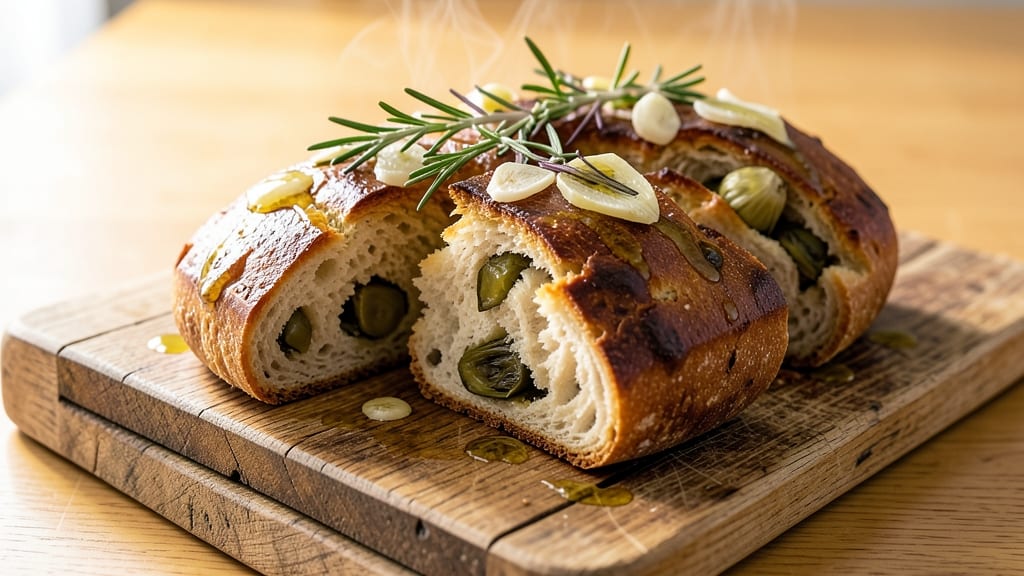
This Arcangeli artichoke bread brings Tuscan tradition to your kitchen table with its fragrant olive oil, tender artichokes, and crispy crust. 🌟 Born from Italy's Easter celebrations, this herbed loaf transforms simple ingredients into a rustic masterpiece that pairs perfectly with soups or stews.
The secret lies in the slow fermentation and careful shaping—each braid or round loaf carries layers of garlic, rosemary, and artichoke that burst with flavor.
The dough's magic unfolds in the kneading and proofing stages, where gluten develops just enough to create a tender crumb while maintaining a satisfying chew. Fresh artichoke hearts add a bright, tangy bite that balances the rich olive oil and herbs.
Unlike commercial bread, this recipe delivers an authentic taste—crispy on the outside, soft and fragrant within—with no shortcuts.
What makes this recipe special is its versatility. Serve warm from the oven with a drizzle of olive oil, or let it cool slightly for sandwiches. The artichokes and rosemary infuse the dough with Mediterranean brightness, while the garlic adds depth.
Perfect for Easter feasts or everyday meals, this bread becomes the centerpiece of any table.
Mastering the technique takes patience, but the results are worth every minute. The crust develops a golden, crackly exterior that contrasts beautifully with the tender interior. Once you try this Arcangeli artichoke bread, you'll understand why it's a staple in Tuscan homes—simple ingredients elevated to extraordinary heights.
Ingredients for arcangeli artichoke bread
Tuscan tradition meets rustic simplicity with these carefully chosen ingredients for authentic artichoke bread.
| Ingredient | Amount | Notes |
|---|---|---|
| All-Purpose Flour 🌾 | 4 ½ cups | High-protein for better gluten development |
| Extra-Virgin Olive Oil 🫒 | ½ cup | Fruity, Italian variety preferred |
| Active Dry Yeast 🍞 | 2 ¼ tsp | Fresh yeast at half the amount |
| Granulated Sugar 🍚 | 1 tbsp | Feeds yeast for activation |
| Warm Water 💧 | 1 ¼ cups | 110°F for optimal yeast activation |
| Marinated Artichoke Hearts 🌿 | 1 cup | Chopped, drained and patted dry |
| Garlic Cloves 🧄 | 4 cloves | Minced for dough infusion |
| Fresh Rosemary 🌿 | ¼ cup | Finely chopped, stems removed |
| Kosher Salt 🧂 | 1 ½ tsp | Diamond Crystal preferred |
| Coarse Sea Salt 🧂 | 1 tbsp | For final crust sprinkle |
| Cornmeal 🌾 | ¼ cup | For dusting work surface |
| Semolina Flour 🌾 | 2 tbsp | For dusting loaf pan |
The flour is the foundation—King Arthur or Caputo Tipo 00 if available, but all-purpose works in a pinch. For the olive oil, Colavita or Bertolli deliver that authentic Italian flavor profile. Artichoke hearts should be marinated in olive oil and lemon—the ones from a Trader Joe's jar work perfectly. Fresh rosemary is non-negotiable here; dried loses its piney aroma. The yeast is activated with warm water and sugar—110°F is ideal, but don't stress if it's 105°F. For garlic, three cloves minced plus one whole clove infused in the oil adds depth without overpowering.
No artichoke hearts? Chopped sun-dried tomatoes at half the amount provide a similar tangy brightness. Short on rosemary? Thyme or oregano at two-thirds the quantity works, though the flavor profile shifts. For yeast, instant yeast at the same amount eliminates the need to dissolve first. The olive oil can be substituted with avocado oil, but it won't carry the same Mediterranean character. If you're making this ahead, pre-ferment the dough overnight for even better flavor development—just store it in the fridge with a damp towel covering.
The dough should be covered and left to rise in a warm, draft-free place—the top of the fridge with a bowl of hot water underneath works perfectly. Once shaped, let it proof until it's 50% larger, which typically takes 1-2 hours depending on your kitchen. For storage, this bread is best eaten within 2 days—it loses its crispness quickly. To revive stale bread, wrap in a damp towel and warm in a 350°F oven for 5-10 minutes. Freezing is possible but affects texture; wrap tightly and thaw at room temperature before warming.
Why You'll Love This Recipe
- No-Knead Magic: I swear by this dough—just mix, wait, and shape. That yeast and olive oil combo does all the heavy lifting while I sip coffee.
- Olive Oil Luxury: The extra-virgin olive oil in the dough and topping makes every bite taste like a sunlit Italian bakery. No fancy ingredients, just pure flavor.
- Weeknight Workhorse: Takes 10 minutes to prep, rises overnight, and bakes while I sleep. Perfect for lazy mornings or last-minute dinner guests.
- Budget-Friendly Feast: Flour, yeast, and olive oil stretch into a loaf that feeds four—and costs less than takeout. My wallet and family thank me every time.
Step-by-step instructions for Arcangeli artichoke bread
This rustic Italian loaf delivers a perfect balance of tender crumb and crispy crust.
👨🍳 Step 1: Activate the Yeast and Prepare the Dough Base
In a small bowl, whisk together the 1.25 cups warm water (about 110°F), 1 tbsp granulated sugar, and 2.25 tsp active dry yeast. Let sit for 5-10 minutes until frothy—this confirms your yeast is active and ready to work. If it doesn't foam, your yeast may be dead, and you'll need to start over.
In a large bowl, combine the 4.5 cups all-purpose flour and 1.5 tsp kosher salt. Make a well in the center and pour in the yeast mixture along with the 0.5 cup extra-virgin olive oil. Using a wooden spoon or your hands, mix until a shaggy dough forms. The high-protein flour will develop gluten more aggressively, so resist the urge to overwork it at this stage.
🥘 Step 2: Incorporate the Artichoke and Herb Mixture
Finely chop the 1 cup marinated artichoke hearts (drained and patted completely dry) and mince the 4 cloves garlic. In a separate small bowl, combine these with the 0.25 cup finely chopped fresh rosemary. Fold this mixture into the dough along with any accumulated juices from the artichokes.
Work the dough by hand for 3-4 minutes until it comes together into a smooth, elastic ball. The artichokes and rosemary should be evenly distributed throughout. If the dough feels sticky, add 1-2 tablespoons more flour—just enough to make it pliable but not dry. Cover the bowl with a damp towel and let rest for 30 minutes at room temperature.
🍳 Step 3: Knead and Shape the Dough
Lightly dust a clean work surface with 0.25 cup cornmeal and turn out the dough. Knead for 8-10 minutes until smooth and elastic, adding more cornmeal as needed to prevent sticking. The dough should spring back slowly when poked—this indicates proper gluten development for that tender crumb we're after.
Shape the dough into a 12-inch round loaf by pulling the edges toward the center and sealing the seam. Place on a parchment-lined baking sheet, cover with a damp towel, and let rise in a warm place for 1-1.5 hours or until nearly doubled in size. A good test: gently press your finger into the dough—if it springs back slowly, it's ready.
🔥 Step 4: Score and Bake to Golden Perfection
Preheat your oven to 375°F with a baking stone or inverted baking sheet inside. Lightly brush the risen dough with additional extra-virgin olive oil and sprinkle generously with 1 tbsp coarse sea salt. Using a sharp razor blade or serrated knife, score the top in a crosshatch pattern about ¼-inch deep—this helps control expansion and creates that beautiful rustic crust.
Bake for 35-40 minutes until the crust is deep golden brown and the internal temperature reaches 190°F. For extra crispiness, transfer to a wire rack and let cool for 10 minutes before slicing. The bread should have a crisp exterior with a soft, airy interior—each bite should deliver that briny artichoke punch and herbal olive oil richness.
Pro Tips For Making Arcangeli Artichoke Bread
- Bloom the Yeast First: Skip mixing yeast directly into flour—dissolve it in warm water (105-110°F) with sugar first, then let it foam for 5-10 minutes. I learned this the hard way: dead yeast = dense, flavorless bread. If it doesn’t bubble after 10 minutes, your oven’s too hot or the yeast’s old—start over.
- Use Cold Olive Oil: Chill your extra-virgin olive oil in the fridge for 20 minutes before adding it to the dough. Cold oil incorporates better and prevents the dough from getting too sticky—no need to over-knead or add extra flour. (Yes, even if you’re impatient like me.)
- Knead Until Silky: The dough should pull cleanly away from the bowl and spring back slowly when poked—about 8-10 minutes by hand. I used to stop at 5, and the bread always turned out gummy. A stand mixer? 5-6 minutes on medium.
- Proof in Two Stages: Let the dough rise at room temp until doubled (about 1-2 hours), then refrigerate it overnight. The cold slow rise develops deeper flavor—no extra effort, just patience. (Your future self will thank you.)
Perfect pairings for this dish
Wine Pairings
This Tuscan artichoke bread pairs beautifully with crisp, dry Italian whites that complement its herbal notes. I always reach for a Vermentino from Sardinia—its bright citrus and mineral notes mirror the artichoke's tang while balancing the rich olive oil.
A Pinot Grigio from Alto Adige also works wonderfully, especially if it has subtle almond undertones that echo the bread's nutty crust. 🍷
Avoid heavy reds like Chianti, as their tannins can overpower the delicate rosemary and garlic. Instead, try a light Rosso di Montalcino if you prefer red—its gentle acidity won't clash with the bread's flavors.
For a bolder option, a Sangiovese with lower alcohol content (around 12.5% ABV) provides enough structure without dominating.
Olive Oil Drizzle
No pairing is complete without a drizzle of extra-virgin olive oil right from your bottle. I use Colavita's Tuscan Harvest for its fruity, peppery finish that enhances the bread's crust. Warm the bread slightly before drizzling—this opens up the oil's flavors and makes every bite more aromatic.
A sprinkle of flaky sea salt right after adds another layer of complexity. 🫒
Cheese Combinations
For a heartier spread, pair this bread with Pecorino Romano or aged Parmigiano-Reggiano. The sharp, salty cheese cuts through the bread's richness while complementing the artichoke's brininess. I like to serve small cubes on the side so guests can add as much or as little as they like.
A dollop of whipped ricotta with a drizzle of honey adds a creamy contrast that's perfect for breakfast or brunch. 🧀
Herb-Infused Spreads
Create a quick spread by mixing herb-roasted garlic (blend 4 cloves roasted garlic with 2 tbsp olive oil and 1 tsp dried oregano) for dipping. The garlic's sweetness balances the bread's herbal notes beautifully.
Another favorite is a sun-dried tomato pesto—blend ½ cup sun-dried tomatoes, ¼ cup basil, 2 tbsp pine nuts, and 3 tbsp olive oil until smooth. This adds a tangy, umami depth that pairs perfectly with the artichoke's brightness. 🌿
Seasonal Accompaniments
In spring, serve with fresh figs or peaches—their natural sweetness contrasts the bread's savory depth. For autumn, pair with roasted butternut squash or caramelized onions to create a cozy, rustic spread.
A simple arugula salad with lemon vinaigrette keeps things light, while a tomato-basil soup makes this bread the ultimate comfort food. The artichoke's tangy bite shines in both sweet and savory pairings. 🍅
Nutrition facts
Frequently asked questions
Can I substitute jarred artichoke hearts for fresh ones? Jarred artichoke hearts work perfectly for this recipe, especially if they're marinated in olive oil and lemon. Just
How do I know when the dough is properly kneaded?
The dough is ready when it's smooth, elastic, and springs back slowly when poked with your finger. For this recipe, kneading for 8-10 minutes on a lightly floured surface should achieve this. If it feels too sticky, add 1-2 tablespoons of cornmeal at a time. The artichokes and herbs make the dough slightly denser than standard bread dough, so don't worry if it doesn't feel as light as sourdough.
Can I make this bread ahead of time?
Yes! This bread actually tastes better the next day as the flavors develop further. Shape and proof the dough, then refrigerate it overnight (covered) before baking. Let it sit at room temperature for 1 hour before baking to bring it to the right temperature. For storage, keep it wrapped in a cloth-lined bag at room temperature for up to 2 days—it loses crispness quickly but stays delicious for sandwiches.
What if my crust isn't crispy enough?
For a crispier crust, try these tricks: Place a baking stone in your oven and preheat it along with the oven. Brush the dough with extra olive oil before scoring, and sprinkle with more coarse sea salt. Bake for 5-10 extra minutes until the crust is deep golden brown. If your oven runs hot, reduce the temperature to 350°F and bake for the full 40 minutes—this helps develop the crust more evenly.
Can I make this bread without rosemary?
Certainly! If you're out of rosemary, substitute with thyme or oregano at two-thirds the amount (about 1.5 tablespoons of fresh herbs). For a different flavor profile, try fresh sage or basil, though the Mediterranean character will shift slightly. The artichokes and garlic will still shine, but the herbal notes will be different. Dried herbs work too—use half the amount and crush them finely for best results.