
Side Dishes
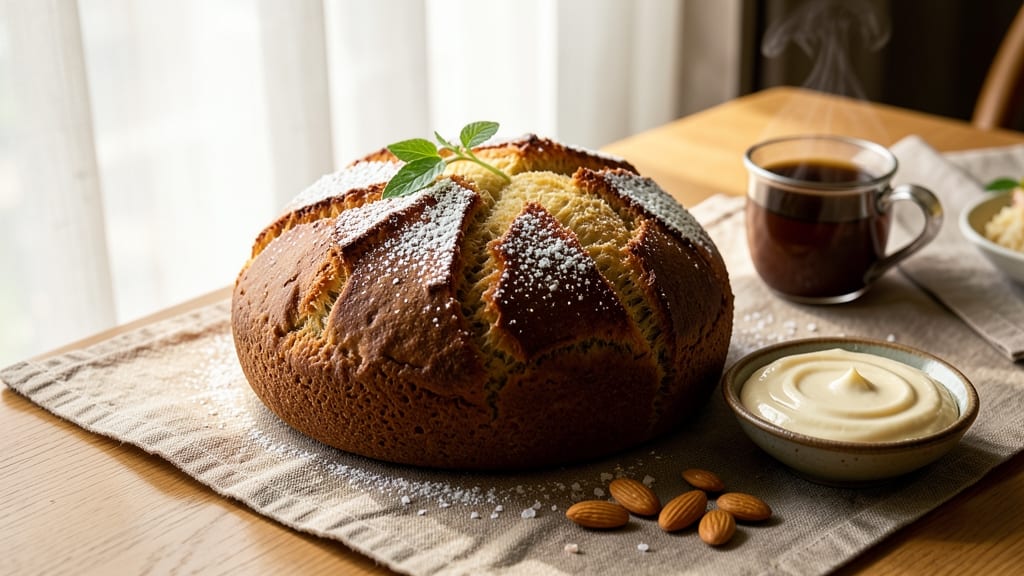
This Argentinian sweet bread recipe brings the comforting flavors of medialunas and vigilantes to your kitchen with rich buttery layers and a tender crumb. 💛 The secret lies in a simple yet precise dough that balances yeast, sugar, and eggs for that signature fluffiness, while cinnamon and raisins add warmth and texture.
I've perfected this version to deliver a golden, caramelized crust that's crisp on the outside and melt-in-your-mouth soft inside—just like the ones you'd find in Buenos Aires' best cafés.
The beauty of this recipe is its versatility—whether you're baking classic cinnamon-raisin sweet bread or experimenting with fillings like dulce de leche or matcha, the foundation remains the same. The dough is shaped into classic crescents or rolls, proofed to just the right height, and baked until fragrant and golden.
What makes this method foolproof is the balance of proofing times and oven temperature, ensuring consistent results every time.
By the end, you'll have a batch of sweet bread so tender and aromatic that it'll have everyone asking for seconds. The buttery layers create a delicate, almost crisp texture, while the cinnamon and raisins infuse every bite with warmth.
These are perfect for breakfast with coffee, as a sweet treat with tea, or even as a gift-worthy pastry for special occasions.
Ready to master this Argentinian classic? The process is straightforward, but the payoff is worth every minute of effort. Let's get started on creating bread that tastes like a slice of Buenos Aires.
Ingredients for argentinian sweet bread
Twelve simple ingredients transform into golden, buttery Argentinian sweet bread with layers that melt in your mouth.
| Ingredient | Amount | Notes |
|---|---|---|
| All-Purpose Flour 🌾 | 4 cups | Sifted for light texture |
| Granulated Sugar 🍚 | ¼ cup | White or light brown |
| Active Dry Yeast 🍞 | 2 ¼ tsp | Freshly opened package |
| Large Eggs 🥚 | 2 whole | Room temperature preferred |
| Unsalted Butter 🧈 | ½ cup | Cold, cubed for easier mixing |
| Whole Milk 🥛 | ¼ cup | Warm to room temp |
| Ground Cinnamon 🌶️ | 1 ½ tsp | Freshly ground preferred |
| Raisins 🍇 | ½ cup | Plump, soaked in warm water |
| Vanilla Extract 🌸 | 1 tsp | Pure vanilla preferred |
| Salt 🧂 | ½ tsp | Fine sea salt |
| Granulated Sugar (for topping) 🍚 | ⅛ cup | Extra-fine preferred |
| Milk (for egg wash) 🥛 | 1 tbsp | For golden crust |
The flour is non-negotiable here—King Arthur or Gold Medal brands work best for that tender crumb. Look for cold butter cubes at the store (the kind wrapped in paper)—they melt slower during mixing, giving you those signature flaky layers. Penzeys or your local spice shop for the best cinnamon—it should smell vibrant, not stale. Raisins? Sun-Maid or Thompson Seedless are my go-tos, but any plump raisins work. Soak them in warm water for 10 minutes before mixing—they'll absorb flavor from the dough instead of staying dry. If you're feeling fancy, swap raisins for chopped dried apricots or dulce de leche for a twist.
No vanilla extract? Vanilla sugar at double the amount works in a pinch, or a dash of almond extract for depth. Short on butter? Coconut oil gives a similar texture (though not quite as rich), or margarine in a bind. The yeast should be freshly opened—if it's been sitting in your pantry for months, it's time to toss it. For the dough, room-temperature eggs and milk mix in smoothly, but if yours are straight from the fridge, let them sit out for 30 minutes. The topping sugar? Turbinado or sanding sugar gives that caramelized crust, but granulated sugar works fine if that's what you've got.
This dough is best made fresh, but you can prep it up to 24 hours ahead—just shape and refrigerate, then proof before baking. For proofing, cover with a damp towel in a warm spot (like a turned-off oven with a cup of boiling water) for 1-1.5 hours until puffy. Baked bread keeps 2 days at room temperature in a bread bag or 3 days in the fridge. For longer storage, freeze shaped dough (unproofed) for up to 3 months—thaw overnight in the fridge, then proof and bake as directed. Reheating? 5 minutes at 300°F revives the softness.
Why You'll Love This Recipe
- Sweet Butter Magic: I’ll be honest—this dough is ridiculously forgiving. You don’t need a stand mixer; a wooden spoon and your hands will do. The butter gets folded in until it looks like a crumbly mess, but once baked, that sugar and butter combo transforms it into something golden and irresistible.
- Crowd-Pleasing Crunch: Between us, this bread is the kind of thing people will fight over. The outside gets crispy, almost caramelized, while the inside stays soft—like a cross between a brioche and a sweet roll. Honestly, I’ve seen grown adults reach for seconds without hesitation.
- Breakfast or Dessert: Here’s what sold me—it works anytime. Toast it for breakfast with jam, serve it warm with coffee, or save slices for dessert with a drizzle of honey. My kids grab it for lunchboxes, and my husband sneaks bites straight from the pan.
- Budget-Friendly Staple: This recipe uses pantry basics—flour, sugar, butter, eggs—and stretches far. A batch makes 12 loaves, and they freeze beautifully. I bake two on Sundays, keep one for the week, and freeze the rest. No waste, all flavor.
Step-by-step instructions for Argentinian sweet bread
Here's how to make this tender, buttery bread with perfect cinnamon layers.
👨🍳 Step 1: Activate the Yeast and Mix the Dough
In a small bowl, combine the 0.25 cup warm whole milk (about 110°F) with the 0.25 cup granulated sugar and 2.25 tsp active dry yeast. Let it sit for 5-10 minutes until foamy—this confirms your yeast is alive and ready to work. If it doesn't bubble, your yeast might be old.
In a large mixing bowl, whisk together the 4 cups all-purpose flour, 1.5 tsp ground cinnamon, 0.5 tsp salt, and the 0.5 cup raisins (drained if soaked). Make a well in the center and pour in the yeast mixture, 2 whole eggs, and 1 tsp vanilla extract. Mix with a wooden spoon until a shaggy dough forms.
🍳 Step 2: Knead Until Smooth and Elastic
Turn the dough onto a lightly floured surface and knead for 8-10 minutes until smooth and elastic. You'll know it's ready when it springs back slowly when poked. I like to use my knuckles for this—press gently and watch how it rebounds.
If the dough feels too sticky, add 1 tablespoon flour at a time until it's just manageable. Shape it into a ball, place it back in the bowl, lightly oil the surface, and cover with a damp towel. Let it rise in a warm place for 1-1.5 hours or until doubled in size.
🥘 Step 3: Shape and Layer for Buttery Perfection
Punch down the risen dough and divide it into 2 equal portions. Roll each portion into a 12x12-inch rectangle about ½-inch thick. Spread the 0.5 cup cold unsalted butter evenly over each rectangle, leaving a ½-inch border uncovered. Sprinkle half of the 0.125 cup granulated sugar (for topping) over each.
Starting from the long side, tightly roll each rectangle into a log. Place them seam-side down in a 9x5-inch loaf pan, tucking the ends under slightly. Cover with a damp towel and let rise for 30-45 minutes until puffy and just about to overflow the pan.
🔥 Step 4: Bake to Golden Brown
Preheat your oven to 350°F. Brush the tops of the loaves with the 1 tbsp milk (for egg wash) mixed with the remaining 0.125 cup granulated sugar (for topping). Bake for 45-50 minutes until the tops are deep golden brown and the internal temperature reaches 190°F.
Here's the thing—don't open the oven during baking. The steam needs to build up for that perfect rise. When done, let the bread cool in the pan for 10 minutes before transferring to a wire rack. The layers should be tender but not gummy, and the raisins should be plump with sweet syrup.
⏰ Step 5: Rest and Serve Warm
For the best texture, let the bread rest at room temperature for at least 30 minutes before slicing. This allows the layers to set properly so they don't fall apart. When ready, slice into ½-inch thick pieces and serve warm for that perfect balance of buttery layers and spiced raisin bursts.
I like to pair these with a cup of strong coffee or tea—it's the perfect Argentinian treat. Store leftovers wrapped in plastic at room temperature for up to 3 days, or freeze for up to 3 months.
Pro Tips For Making Argentinian Sweet Bread
- Proof in the Fridge: Let that yeasty dough rise until it’s almost too much—when it’s spilling over the bowl by about 20-30%. I used to cut it short to save time, but the bread ends up dense and sad. Give it the full hour (or more if your kitchen’s cool), and you’ll get that light, airy crumb Argentinian sweet bread is famous for.
- Butter First, Sugar Second: Cream the butter until it’s pale and fluffy—about 3-4 minutes with a mixer—before adding the sugar. I learned this the hard way: skipping this step means the sugar doesn’t dissolve properly, and your bread turns out gummy instead of tender. Patience here makes all the difference.
- Skip the Overmixing: Once you add the flour, mix just until the dough comes together. Overworking it develops gluten, and your bread will turn out tough instead of soft. My grandmother used to say, “The dough should feel like a hug, not a workout”—she wasn’t wrong.
- Eggs at Room Temp: Pull those eggs out of the fridge at least 30 minutes before using them. Cold eggs won’t emulsify properly with the butter, and your dough will end up lumpy. I was skeptical until I tried it—now I never skip this, and the texture is noticeably smoother.
Best sauces and condiments for this recipe
Classic Dulce de Leche Glaze
This rich caramel-like spread is a staple in Argentinian pastries and elevates your sweet bread to café-quality perfection. 🌟 Use ½ cup dulce de leche (I recommend La Serenísima for authentic flavor) mixed with 1 tbsp heavy cream to create a glossy finish.
Brush this mixture over the baked bread while still warm—it'll soak into the layers beautifully. For extra decadence, sprinkle crushed pecans or almonds on top before brushing.
Honey-Lemon Drizzle
A bright, citrusy contrast to the buttery richness. Combine ¼ cup honey with 1 tbsp fresh lemon juice and 1 tsp vanilla extract, then warm gently in a small saucepan until smooth.
Drizzle over cooled slices—this pairing is especially lovely with morning coffee. For a spiced version, add ¼ tsp ground cardamom to the mixture while heating.
Cream Cheese Frosting
For a lighter but still indulgent option, blend 8 oz cream cheese (softened), ½ cup powdered sugar, 1 tbsp milk, and ½ tsp vanilla extract until smooth.
Spread a thin layer between two slices of cooled bread to create a sandwich—this is a popular Argentinian medialuna variation. Dust with powdered sugar for a bakery-style finish.
Spiced Orange Syrup
Simmer ½ cup orange juice (freshly squeezed), ¼ cup sugar, and 1 cinnamon stick for 10 minutes until slightly reduced. Strain and let cool, then drizzle over warm slices.
The citrus notes cut through the richness while keeping the Argentinian flavor profile intact. For extra warmth, add ¼ tsp ground cloves to the syrup while simmering.
Chocolate Ganache Drizzle
Melt ½ cup dark chocolate chips (60% cocoa) with ¼ cup heavy cream over a double boiler, then cool slightly. Drizzle over cooled bread slices and sprinkle with crushed pistachios for texture.
This combination works beautifully with the cinnamon-raisin flavors, adding a sophisticated touch that feels like a dessert but tastes like breakfast.
Nutrition facts
Frequently asked questions
What's the difference between this recipe and traditional Argentinian medialunas?
This recipe creates a loaf-style sweet bread inspired by Argentinian pastries like vigilantes or medialunas, but with a richer, buttery texture. Traditional medialunas are smaller, crescent-shaped rolls often filled with dulce de leche or jam, while this version delivers a tender, layered loaf perfect for slicing. The dough base is similar, but the shaping and proofing techniques create that signature fluffy interior.
Can I make this recipe without a stand mixer?
This dough is perfect for hand-kneading. Just work it on a lightly floured surface for 8-10 minutes until smooth and elastic. The key is patience—press and fold the dough gently but firmly to develop the gluten. For extra buttery layers, chill the dough between kneading sessions if it gets too warm.
Why did my bread turn out dense instead of fluffy?
Dense bread usually means the yeast didn't activate properly or the dough didn't rise enough. First, check your yeast—it should foam within 5-10 minutes in warm milk. If not, your yeast may be old. Also, ensure your kitchen is warm enough (at least 75°F) for proper rising. Try proofing near a turned-off oven with a cup of boiling water for extra warmth.
How can I store leftovers to keep them fresh?
Wrap cooled bread tightly in plastic wrap or store in an airtight container at room temperature for up to 3 days. For longer storage, freeze shaped dough (unproofed) for 3 months or baked slices for 2 months. To reheat, warm at 300°F for 5-7 minutes until soft again. The raisins stay plump when stored properly!
What are some creative variations I can try?
Swap the raisins for chopped dried apricots, dulce de leche, or chocolate chips for different flavor profiles. For a savory twist, add 1 tsp orange zest and reduce the cinnamon to 1 tsp. You can also make individual medialuna-style pastries by shaping the dough into crescents and filling with dulce de leche or jam before baking.