
Desserts
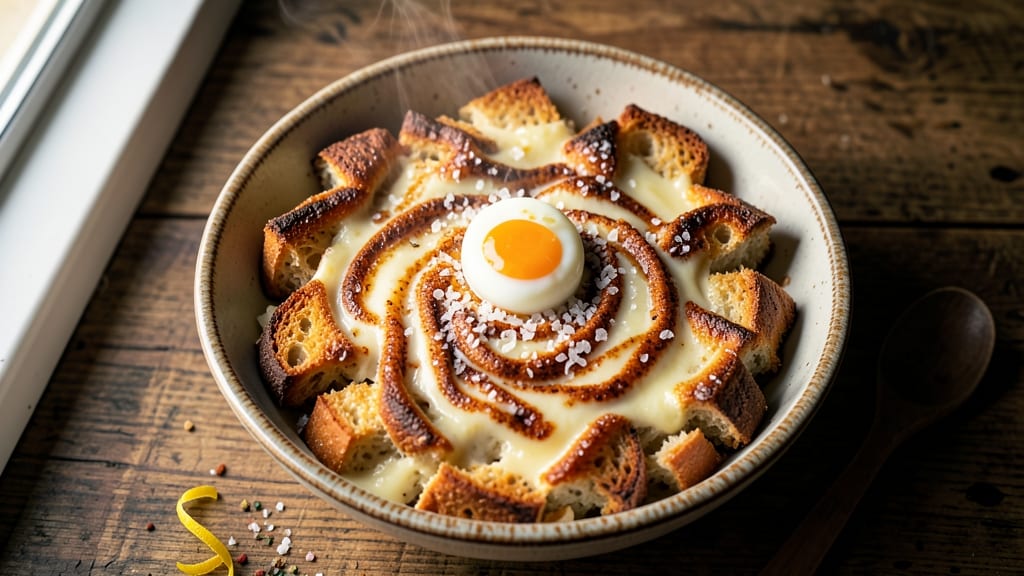
This artisan bread pudding recipe delivers the kind of comforting, golden-topped perfection you'd expect from a bakery—warm vanilla-cinnamon swirls with a crispy crust that holds every bite. The secret lies in soaking stale bread cubes in a rich custard base until they're tender yet sturdy enough to hold their shape, then baking until caramelized edges form. I developed this version after years of testing, balancing traditional techniques with modern twists like a bourbon-infused custard option that adds depth without overpowering the bread's natural flavors.
The process is simpler than it sounds: cube your bread evenly for consistent baking, use a custard made with heavy cream and eggs for maximum richness, and don't skip the cinnamon-sugar swirls—this is where the magic happens.
Baking at 350°F creates that perfect crispy top while keeping the interior custardy and warm through. The result is a dessert that feels indulgent yet satisfies with every forkful, making it ideal for brunch, dessert, or even breakfast when you're craving something hearty.
What makes this recipe stand out is the attention to texture—each bite should offer that satisfying contrast between the crispy exterior and the soft, custardy interior, all while the vanilla and cinnamon flavors dance together.
The bread absorbs the custard perfectly, creating a dish that's both comforting and impressive enough for company. Top it with caramel sauce or whipped cream for an extra layer of decadence, but trust me, it's delicious enough on its own.
Perfect for using up stale bread or impressing guests with a dessert that feels homemade yet refined. The key is patience—letting the bread soak fully and baking until the top is deeply golden ensures restaurant-quality results every time. Here's how to make it.
Ingredients for artisan bread pudding
Six ingredients transform stale bread into golden, custardy perfection with a crispy top.
| Ingredient | Amount | Notes |
|---|---|---|
| Stale Bread 🍞 | 8 cups | Day-old, crusts removed, cubed evenly |
| Large Eggs 🥚 | 6 whole | Room temperature for best mixing |
| Heavy Cream 🥛 | 2 cups | Full-fat for richness |
| Whole Milk 🥛 | 1 cup | Warmed slightly for smoother custard |
| Granulated Sugar 🍚 | 1 cup | Plus 2 tbsp for swirls |
| Vanilla Extract 🌿 | 2 tbsp | Pure, high-quality extract |
| Ground Cinnamon 🌶️ | 2 tsp | Plus extra for swirls |
| Salt 🧂 | ½ tsp | Kosher or sea salt |
| Unsalted Butter 🧈 | ½ cup | Cold, cubed for crispy top |
| Bourbon 🍷 | 2 tbsp | Optional, for depth |
| Brown Sugar 🍚 | ¼ cup | Packed, for cinnamon swirls |
| Powdered Sugar 🍚 | ¼ cup | For dusting swirls |
The bread is everything here—day-old loaves work best, but fresh bread in a pinch (just toast it first). I grab sourdough or brioche from the bakery section at Whole Foods when I want extra richness, but any crusty bread does the trick. Cube it evenly (about 1-inch pieces) so it bakes uniformly. The custard absorbs differently based on bread type: sourdough stays denser, brioche gets extra tender. Store bread in a paper bag to keep it stale faster if you're prepping ahead.
No bourbon? Extra vanilla or a splash of rum works just as well. The custard base is non-negotiable for that silky texture—don't substitute milk for cream, trust me. For the cinnamon swirls, mix the brown sugar, cinnamon, and powdered sugar in a small bowl, then sprinkle generously over the bread cubes before baking. Trader Joe's has pre-made cinnamon-sugar mixes that save time, but homemade tastes better. If your bread cubes aren't soaking up the custard fast enough, let them sit for an extra 10 minutes before baking—they'll absorb more and taste richer.
This keeps beautifully for 3 days in the fridge, wrapped tightly in foil. Reheat in a 350°F oven for 15 minutes—the crispy top comes back every time. For make-ahead magic, assemble the pudding the night before and bake in the morning. Leftovers? Slice and freeze portions for up to 2 months. I always double the recipe—it disappears fast, and reheating is half the fun.
Why You'll Love This Recipe
- No Waste, All Flavor: I swear by this trick—toss in that day-old baguette or crusty loaf you’d otherwise toss. The texture? Chef’s kiss. That buttery crust soaking up the custard? It’s like turning trash into treasure without extra effort.
- One-Bowl Magic: Honestly, the only tools you need are a mixing bowl and a baking dish. Crack eggs, stir in cream and milk, fold in cubes of stale bread—no food processor, no fancy techniques. Just hands-on simplicity that actually works.
- Crowd-Pleaser Any Day: Between us, this is the dessert that gets eaten first at potlucks. Serve it warm with a drizzle of caramel or cold with vanilla ice cream—it’s equally good, and no one ever leaves a slice. (Yes, even on a Tuesday night.)
- Budget Breakfast for Dinner: I make this when I’m broke or lazy—both work. Eggs, milk, and bread? Pantry staples. The custard’s rich enough to feel special, but the cost is laughably low. Leftovers reheat beautifully, so it’s my go-to for feeding the whole family without breaking the bank.
Step-by-step instructions for artisan bread pudding
Here's how to create a golden, crisp-topped bread pudding with rich vanilla-cinnamon swirls.
Prepare the Cinnamon-Sugar Swirls
In a small bowl, mix the 0.25 cup brown sugar and 2 tsp ground cinnamon until evenly combined. This will create the signature swirls that cut through the creamy custard. I like to add the 2 tbsp bourbon to this mixture for extra depth—just stir it in and let the flavors meld for 5 minutes while you prep the rest. The bourbon adds a subtle warmth that pairs perfectly with the vanilla.
Next, take a sheet of parchment paper and draw a 1-inch wide strip. Sprinkle about 2 tbsp of the cinnamon-sugar mixture onto the paper, then roll it up tightly into a log. Repeat with the remaining mixture to make a second log. These will be your flavorful swirls that weave through the bread pudding. Keep them at room temperature until ready to use—this prevents the butter from melting prematurely.
Mix the Custard Base
In a large bowl, whisk together the 6 whole large eggs, 1 cup granulated sugar, 0.5 tsp salt, and 2 tbsp vanilla extract until the mixture is smooth and pale yellow. The eggs should be at room temperature for the best texture—this ensures they blend evenly without creating lumps. I like to use a wire whisk for this step because it incorporates air gently, which helps create a lighter pudding.
Gradually whisk in the 2 cups heavy cream and 1 cup whole milk until fully combined. The custard should be thick but still pourable—it should coat the back of a spoon. If it looks too thick, add 1 tablespoon of milk at a time until you reach the right consistency. This step is crucial for achieving that silky, custardy texture we all love in bread pudding.
Combine Bread and Custard
Add the 8 cups stale bread (cubed evenly) to the custard mixture and gently fold everything together using a large spatula. Be careful not to overmix—just combine until the bread is fully coated and the mixture looks moist but not soupy. The bread should absorb the custard but still hold its shape. If the mixture seems dry, add 1-2 tablespoons of milk to help it come together.
Here's the thing—don't skip the room temperature step for the eggs. Cold eggs can cause the custard to curdle, and you don't want that happening in your beautiful bread pudding. Also, make sure your bread cubes are evenly sized—this ensures even cooking and a consistent texture throughout.
Assemble and Bake for Crispy Perfection
Preheat your oven to 350°F and grease a 9x13-inch baking dish generously with butter—this prevents sticking and helps create that golden crust. Pour the bread-custard mixture into the dish and spread it out evenly. The top should look moist but not wet—this is where the magic happens as it bakes.
Place the two cinnamon-sugar logs side by side in the center of the pudding mixture. Using a butter knife, gently swirl them through the custard in a figure-eight pattern. This creates those beautiful, marbled swirls that make this bread pudding look so impressive. Sprinkle the remaining 0.25 cup powdered sugar evenly over the top—this will caramelize and create a beautiful, snowy finish.
Bake Until Golden and Crispy
Bake the bread pudding for 50-55 minutes until the edges are golden brown and the center is just set. You'll know it's ready when a toothpick inserted in the center comes out clean with just a few moist crumbs clinging to it. The top should be crispy enough to hold its shape when you lift it gently—this is what makes this bread pudding feel truly artisanal.
During the last 10 minutes of baking, keep an eye on the oven. If the top starts to brown too quickly, tent it loosely with aluminum foil to prevent burning while still allowing it to crisp up. Once it's done, let it rest for 10 minutes before serving—this allows the custard to set properly and makes slicing much cleaner. Serve warm with a scoop of vanilla ice cream or a drizzle of caramel sauce for the ultimate dessert experience.
Pro Tips For Making Artisan Bread Pudding
- SOAK THE BREAD IN COLD MIX: I learned this the hard way—hot custard soaks bread unevenly and creates a gummy center. Whisk eggs, cream, and milk first, then pour over bread cubes in a cold dish. Let it sit 15 minutes before baking; the bread absorbs evenly, and the texture stays light.
- USE ROOM-TEMPERATURE EGGS: Cold eggs from the fridge don’t blend smoothly and can curdle the custard. Take them out 30 minutes before mixing—this ensures a silky texture and prevents lumps. (Yes, even if you’re impatient like me.)
- BAKE UNTIL 195°F INTERNAL: The bread pudding is done when the center hits 195°F, not when it looks set. Underbaking leaves it soggy; overbaking dries it out. A thermometer is your friend here—skip the guesswork.
- TOAST THE BREAD FIRST: This isn’t the prettiest method, but it’s the tastiest. Toss bread cubes in a 350°F oven for 5 minutes before soaking—they crisp slightly, soaking up more custard and creating a better texture. (Your future self will thank you.)
Creative variations of these flavors
Bourbon-Infused Twist
Swap the vanilla extract for 2 tbsp bourbon in the custard base and add 1 tbsp maple syrup to balance the alcohol's bite. I like to use Maker's Mark bourbon for its caramel notes.
For extra depth, soak the bread cubes in the bourbon-milk mixture for 10 minutes before combining with the custard. This creates a rich, spiced flavor that pairs perfectly with the cinnamon swirls. 🍷
Spiced Rum Variation
Replace the bourbon with 2 tbsp dark spiced rum (like Kahlúa) and add ½ tsp ground nutmeg to the custard. The rum adds a molasses-like sweetness that complements the cinnamon beautifully.
For a tropical twist, fold in ½ cup crushed pineapple into the bread cubes before baking. This works especially well with challah bread for a festive flavor.
Chocolate-Dipped Swirls
Create decadent chocolate swirls by melting ½ cup dark chocolate with 1 tbsp coconut oil and spreading it on parchment paper. Roll it into a log like the cinnamon-sugar mixture, then swirl it through the bread pudding.
Top with flaky sea salt before baking for a sophisticated contrast. I use Ghirardelli 70% dark chocolate for the best balance of richness and bitterness.
Coconut Bread Pudding
Use coconut milk instead of heavy cream and whole milk (same quantities) for a tropical version. Add 1 tsp coconut extract and ½ cup shredded coconut to the bread cubes. For the swirls, mix ½ cup brown sugar, 1 tsp cinnamon, and ¼ cup toasted coconut flakes.
This variation works beautifully with brioche or Hawaiian sweet bread for extra texture. 🥥
Apple Cider Glaze Topping
After baking, brush the warm pudding with a glaze made from ½ cup apple cider reduction (simmer 1 cup apple cider with 2 tbsp brown sugar until syrupy) and 1 tbsp butter.
Garnish with candied apple slices for a fall-inspired dessert. This glaze adds a tangy-sweet contrast that cuts through the richness of the custard.
Make-Ahead Freezer Hack
Assemble the bread pudding completely (even with swirls) and refrigerate overnight. When ready to bake, let it sit at room temperature for 1 hour before baking at 350°F for 45-50 minutes.
This method enhances the flavor development and makes it perfect for holiday gatherings. Wrap tightly in plastic wrap and foil for freezer storage—it reheats beautifully with a crispy top every time. ❄️
Nutrition facts
Frequently asked questions
Can I use fresh bread instead of stale bread?
Fresh bread works in a pinch, but it won't absorb the custard as well and may make your pudding soggy. If using fresh bread, toast it lightly first to dry it out slightly. For best results, use day-old bread—it's perfect for soaking up the custard while maintaining structure. The texture difference is noticeable, so stale bread is ideal for that classic artisanal feel.
Why did my bread pudding turn out too custardy instead of crispy?
This usually happens when the bread cubes weren't evenly sized or didn't soak long enough. Make sure your cubes are about 1-inch and let them sit in the custard for at least 15 minutes before baking. Also, check your oven temperature—350°F is crucial for that perfect crispy top. If it's too low, the top won't set properly. A 10-minute broil at the end can help crisp it up if needed.
How can I make this bread pudding ahead of time?
You can assemble the pudding up to 24 hours ahead and refrigerate it. When ready to bake, let it sit at room temperature for 1 hour first. For freezing, assemble completely (even with swirls), wrap tightly in plastic and foil, and freeze for up to 2 months. Thaw overnight in the fridge, then bake at 350°F for 45-50 minutes—the crispy top will come back beautifully. This makes it perfect for holiday desserts!
What's the best bread to use for this recipe?
Any crusty bread works well—brioche for extra richness, sourdough for tangy depth, or even challah for a festive touch. Avoid soft breads like white sandwich bread as they'll fall apart. For a rustic look, keep the crusts on and cube them with the bread. The key is to remove crusts if you want a cleaner texture, but leaving them adds character.
Can I make this gluten-free or dairy-free?
For gluten-free, use a 1:1 gluten-free bread flour blend and ensure your bread is certified GF. For dairy-free, substitute the heavy cream with full-fat coconut milk and use dairy-free butter. The custard will still set nicely, though the texture may be slightly lighter. Test with 1 extra egg if the mixture seems too thin. Always check your substitutes for best results.