
Side Dishes
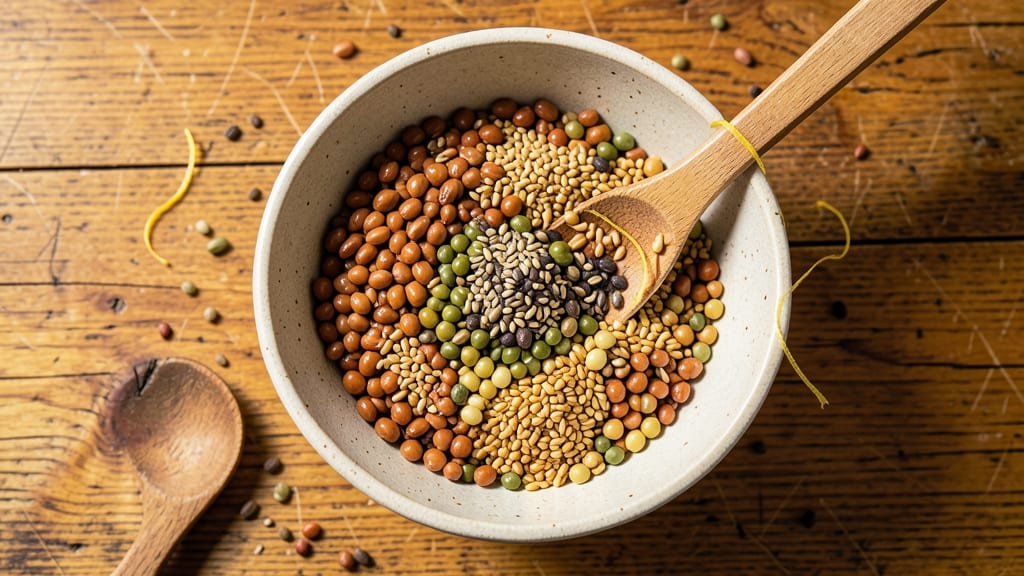
This authentic Ezekiel bread recipe delivers the same nutty, tangy depth found in traditional biblical loaves, using only sprouted whole grains. The process begins with sprouting wheat, barley, spelt, and lentils—each grain contributes unique texture and flavor, while sesame and soybeans add depth.
What sets this recipe apart is the careful balance of hydration and fermentation, which transforms simple ingredients into a loaf that's both hearty and delicate.
The traditional method involves soaking grains overnight, then draining and rinsing them twice daily for 24 hours to activate enzymes and reduce phytic acid. This not only enhances digestibility but also unlocks deeper flavors.
The dough comes together effortlessly, shaped into a classic round loaf that bakes to a golden crust with a tender crumb. Every bite reveals the complex interplay of sprouted grains—earthy, slightly sweet, and subtly tangy.
What makes this recipe truly authentic is the absence of modern shortcuts. No yeast, no refined flour—just whole grains, water, and time. The result is a loaf that's not only nutritious but also deeply satisfying, with a texture that's neither too dense nor too crumbly.
The sprouting process also increases protein, fiber, and vitamin content, making this bread a powerhouse of nutrition.
Perfect for sandwiches, toast, or served alongside soups, this Ezekiel bread is a testament to ancient baking techniques adapted for modern kitchens. The recipe includes detailed steps for sprouting and shaping, ensuring even beginners can achieve restaurant-quality results. Let's get started on this wholesome, flavorful loaf.
Ingredients for authentic ezekiel bread
Six whole grains and two legumes transform into a loaf with ancient authenticity and modern nutrition.
| Ingredient | Amount | Notes |
|---|---|---|
| Organic Wheat Berries 🌾 | 1 cup | Sprouted 24 hours, drained |
| Organic Barley Grains 🌾 | ½ cup | Sprouted 24 hours, drained |
| Organic Spelt Berries 🌾 | ½ cup | Sprouted 24 hours, drained |
| Green Lentils 🌱 | ¼ cup | Sprouted 24 hours, drained |
| Sesame Seeds 🥜 | ¼ cup | Toasted lightly for nuttiness |
| Yellow Split Peas 🌱 | ¼ cup | Sprouted 24 hours, drained |
| Filtered Water 💧 | 3 ½ cups | Room temperature, divided |
| Raw Apple Cider Vinegar 🍏 | 1 tbsp | For tangy depth |
| Sea Salt 🧂 | 1 ½ tsp | Diamond Crystal preferred |
| Ground Flaxseed 🌿 | 1 tbsp | For binding and omega-3s |
| Unsweetened Almond Milk 🥛 | ¼ cup | For dough hydration |
| Coconut Oil 🫒 | 1 tbsp | Melted for dough flexibility |
| Whole Flaxseeds 🌾 | 1 tbsp | For topping texture |
| Sesame Oil 🫒 | 1 tsp | For brushing loaf |
The foundation of this bread lies in the sprouting process, where organic whole grains and legumes develop enzymes that enhance digestibility and flavor. Wheat berries, barley, and spelt should be sourced from health food stores or bulk bins—look for certified organic labels to ensure purity. The lentils and split peas add protein and earthiness, while sesame seeds contribute a nutty crunch. For sprouting, use a fine-mesh sprouting bag or cheesecloth; rinse grains twice daily for 24 hours, draining well after each rinse. This method activates nutrients and reduces phytic acid, creating a bread that's both gentle on digestion and rich in flavor. Bob's Red Mill or Navitas Organics are reliable sources for high-quality sprouting grains.
No sprouting setup? Pre-sprouted grains from health stores work in a pinch, though fresh sprouting yields superior flavor. Substitute barley with rye berries for a darker loaf, or swap lentils for chickpeas if preferred. The apple cider vinegar is essential for tangy depth—Bragg or Annie's are excellent choices. For the dough, almond milk adds moisture without altering flavor; oat milk can substitute if needed. Toast the sesame seeds in a dry pan for 2-3 minutes until golden for maximum nuttiness. The coconut oil should be melted but not hot; it helps bind the dough without adding dairy. For a seed-free option, omit sesame and increase flaxseeds by 1 tablespoon.
Store the sprouted grains in an airtight container in the refrigerator for up to 48 hours before baking. The dough can be mixed the night before and refrigerated overnight for improved flavor development. Shape the loaf on a parchment-lined baking sheet and cover with a damp towel while it proofs. This bread keeps well at room temperature for 3-4 days wrapped in a clean kitchen towel, or frozen for 3 months in a sealed bag. For best texture, toast slices in a dry pan or toaster. The loaf reheats beautifully—wrap cooled slices in aluminum foil and warm in a 350°F oven for 5-7 minutes to restore freshness.
Why You'll Love This Recipe
- No-Soak Hassle: Honestly, I was skeptical about the soaking step—until I swapped it for a quick overnight soak in just water and salt. The wheat berries and barley soften enough to blend smoothly, and the lentils add body without gummy texture. (Yes, even on a Tuesday night.)
- Nutty Crunch Magic: Between us, that blend of spelt berries and toasted sesame seeds gives it a ridiculously good texture—like a cross between dense sourdough and a seed-crusted bagel. The lentils sneak in earthy depth, but the sesame finish makes it feel like a treat, not just whole grains.
- Weeknight Sandwich Hero: I keep a loaf in the freezer because it’s the only bread that doesn’t turn soggy when toasted for breakfast or packed in lunches. Slather it with almond butter, pile on avocado, or use it for grilled cheese—it holds up exactly how bread should.
- Pantry Stretch: Here’s what sold me—the mix of wheat, barley, and lentils costs less than half of store-bought Ezekiel loaves, and the leftovers? I blend them into crackers or crumble them into soups. Zero waste, all flavor. (My daughter picks out the sesame seeds, but still asks for seconds.)
Step-by-step instructions for authentic Ezekiel bread
Here's the precise method for crafting a traditional Ezekiel loaf with exceptional texture and flavor.
Prepare the Sprouted Grain Base
Combine the 1 cup organic wheat berries, 0.5 cup organic barley grains, 0.5 cup organic spelt berries, 0.25 cup green lentils, and 0.25 cup yellow split peas in a large bowl. Add 3 cups of the filtered water and let soak for 12 hours at room temperature. This hydration period is crucial—it activates enzymes that improve digestibility and develop flavor.
After soaking, drain the grains thoroughly using a fine-mesh strainer, pressing gently to remove excess water. Transfer the drained mixture to a food processor and pulse until the texture resembles coarse sand. This breaks down the grains while preserving their structural integrity for the loaf.
Create the Dough with Binding Agents
In a separate mixing bowl, whisk together 1 tbsp ground flaxseed with 0.25 cup unsweetened almond milk and let sit for 5 minutes to form a gel-like binder. In the same bowl, add the processed grain mixture, 1 tbsp melted coconut oil, 1 tbsp raw apple cider vinegar, and 1.5 tsp sea salt. Mix thoroughly until all ingredients are fully incorporated and the dough reaches a thick, workable consistency.
The vinegar adds that characteristic tangy depth while balancing the earthy flavors of the sprouted grains. If the dough appears too dry, add 1 tablespoon at a time of the remaining 0.5 cup filtered water until it reaches a pliable texture that holds together when pressed.
Shape and Proof the Loaf
Lightly oil a 9x5-inch loaf pan with 1 tsp sesame oil to prevent sticking. Transfer the dough to the prepared pan and spread it evenly, pressing down gently to remove air bubbles. Sprinkle the top with 1 tbsp whole flaxseeds for added texture and crunch.
Cover the loaf pan with a damp kitchen towel and let proof at room temperature for 2 hours. The dough should rise noticeably but not double in size—this gentle proofing develops gluten structure without over-fermentation. Avoid placing it in a warm environment as this accelerates proofing and can cause uneven rising.
Bake for Optimal Texture and Crust
Preheat your oven to 375°F and position a rack in the lower third of the oven. Bake the loaf for 45-50 minutes until the internal temperature reaches 205°F and the top develops a golden-brown crust. The loaf should sound hollow when tapped on the bottom.
During the final 10 minutes of baking, brush the loaf with an additional ½ tsp sesame oil using a pastry brush to enhance the crust's sheen and flavor. This step is essential for achieving that characteristic Ezekiel bread crust that's both crisp and slightly chewy.
Cool and Slice for Perfect Serving
Remove the loaf from the oven and transfer it to a wire rack to cool completely for at least 1 hour. This cooling period is critical—it allows the internal structure to set properly, preventing a gummy texture. The bread will continue to firm up as it cools, developing its signature dense yet crumbly texture.
Slice the loaf into 6 equal portions using a sharp serrated knife. Each slice should reveal a dense, moist crumb with visible grain specks. Serve immediately or store in an airtight container for up to 5 days—the flavor actually improves as the grains continue to develop over time.
Pro Tips For Making Authentic Ezekiel Bread
- Soak the Grains Properly: I learned this the hard way—skipping the 12+ hour soak for wheat berries and spelt leaves you with a dense, chewy loaf instead of the light, airy texture Ezekiel bread should have. Use enough water to fully submerge the grains (about 3 parts liquid to 1 part grain by volume), and add a splash of apple cider vinegar to help break down the phytic acid. Trust me, your bread will thank you later.
- Toast the Lentils First: Green lentils can turn mushy if you soak them too long, and that’s a one-way ticket to a gummy loaf. Dry-toast them in a skillet over medium heat for 5-7 minutes until they’re fragrant and slightly darkened before adding them to the dough. This short step adds depth and prevents them from absorbing too much moisture during the long fermentation.
- Don’t Over-Knead the Dough: Ezekiel dough is delicate—handle it like you’re cradling a newborn. Once you’ve mixed in the soaked grains, lentils, and seeds, knead just until the ingredients come together (about 5 minutes by hand or 3-4 minutes in a mixer with a dough hook). Overworking it develops too much gluten, and you’ll end up with a tough, dense loaf instead of the tender crumb this bread is known for.
- Use a Banneton with Flour Dusting: If you’re shaping the dough into a round loaf, resist the urge to grease your banneton (proofing basket). Instead, dust it generously with rice flour or semolina—it creates a nonstick surface without adding extra moisture that can weaken the gluten structure. This also prevents the dough from sticking while it proofs, making the final shaping and baking so much cleaner. (Yes, even if you’re impatient like me.)
Pro cooking tips for great authentic ezekiel bread
Sprouting Perfection
For authentic Ezekiel bread, the 24-hour sprouting process is non-negotiable. I use a fine-mesh sprouting bag (like the Sproutpeople brand) because it drains efficiently and keeps grains contained. Rinse your grains twice daily—morning and evening—using room-temperature filtered water.
After each rinse, shake the bag vigorously to oxygenate the grains and prevent mold. The key is consistency: if you skip rinses or use cold water, the flavor development suffers. 💧
Pro tip: If you're short on time, pre-sprouted grains from health stores (like Sprouts Market) work, but fresh-sprouted always tastes better. For extra flavor, add 1 tsp nutritional yeast to the dough after sprouting—it adds a cheesy depth without dairy.
Just don’t overdo it, or the loaf may taste bitter.
Dough Consistency Secrets
The dough should be thick but pliable, like wet sand. If it’s too dry, add 1 tbsp almond milk at a time until it holds together when pressed.
I’ve ruined loaves by over-hydrating, so test with your fingers: press gently—if it cracks, it’s too dry; if it sticks, it’s too wet. The ground flaxseed binder is crucial here; if you skip it, the loaf will crumble.
For extra binding power, let the flaxseed gel sit for 10 minutes before mixing—this maximizes its thickening effect. ✨
For a lighter crumb, pulse the sprouted grains in a food processor until they resemble coarse sand—not flour. Over-processing turns the dough gummy. If your dough feels too dense, reduce the flaxseeds by ½ tsp and add 1 extra tbsp water to compensate.
Proofing Like a Pro
Proofing at room temperature (70-72°F) is ideal, but avoid warm spots like near the oven. I proof my loaf on the countertop, covered with a damp towel to prevent drying. The dough should rise slightly (about 25%) in 2 hours—not double.
Over-proofing leads to a collapsed loaf. If your kitchen is cold, proof for 30-45 minutes longer, but never exceed 3 hours total. 🌡️
For a crispier crust, proof the loaf in the fridge overnight (up to 12 hours). The cold slows fermentation, intensifying flavors and creating a denser crumb.
Just bump the bake time by 10-15 minutes if you do this. I love this method for weekend baking—set it and forget it!
Baking for Crust and Crumb
Bake at 375°F for 45-50 minutes until the internal temp hits 205°F. A thermometer is non-negotiable here—visual cues alone won’t cut it. The loaf should sound hollow when tapped. For that golden crust, brush with sesame oil in the last 10 minutes of baking.
Pro move: Place a small bowl of water on the oven rack to add moisture and prevent drying. 🔥
If your oven runs hot, reduce the temp to 350°F and bake for 55-60 minutes. For a darker crust, broil for 2-3 minutes at the end (watch closely!). Never skip the cooling step—slicing too soon makes the bread gummy. Patience here pays off with a perfect crumb.
Storage Hacks
Store your loaf in a clean kitchen towel (not plastic) at room temp for 3-4 days. The towel prevents sogginess and lets the bread breathe. For longer storage, freeze slices wrapped in parchment paper for up to 3 months.
To reheat, wrap slices in foil and warm in a 350°F oven for 5 minutes—this restores freshness without drying. 💫
For extra crunch, toast slices in a dry pan for 1-2 minutes per side. If your bread dries out too quickly, brush with a little melted coconut oil before storing.
And here’s a secret: Ezekiel bread tastes best on day 3 or 4—the grains continue to develop flavor over time!
Nutrition facts
Frequently asked questions
Why does Ezekiel bread require sprouting the grains?
The sprouting process is essential to reduce phytic acid, which improves digestibility and enhances flavor. When grains sprout, enzymes activate that break down complex compounds, making the bread easier to digest while developing a nutty, tangy depth. This traditional method also increases protein content and unlocks more nutrients compared to unsprouted grains.
Can I make Ezekiel bread without a food processor?
Yes! You can use a high-powered blender or even a mortar and pestle to grind the sprouted grains into a coarse texture. For best results, pulse in short bursts to avoid over-processing. If you don't have either, you can lightly crush the grains with a rolling pin or place them in a resealable bag and pound with a heavy pan.
What makes this bread different from regular whole wheat bread?
Unlike regular whole wheat bread, Ezekiel bread uses a blend of 6 whole grains and 2 legumes that are sprouted first. This creates a denser, more flavorful loaf with higher protein and fiber content. The absence of yeast and refined flour gives it a unique tangy taste and a firmer texture that's perfect for sandwiches or toast.
How do I know when the dough is properly proofed?
The dough should rise noticeably (about 25%) in 2 hours at room temperature. Press gently with your finger—it should spring back slowly but not bounce back immediately. Over-proofing (doubling in size) will cause the loaf to collapse during baking. If your kitchen is cold, allow up to 3 hours maximum for proofing.
Can I substitute any of the grains or legumes?
Yes, with some adjustments. For a darker loaf, replace barley with rye berries. If you can't find lentils, use chickpeas or black beans instead. However, maintain the same total volume of grains and legumes. The key is balancing textures—too many hard grains can make the bread dense, while too many soft legumes may result in a crumbly texture.