
Side Dishes
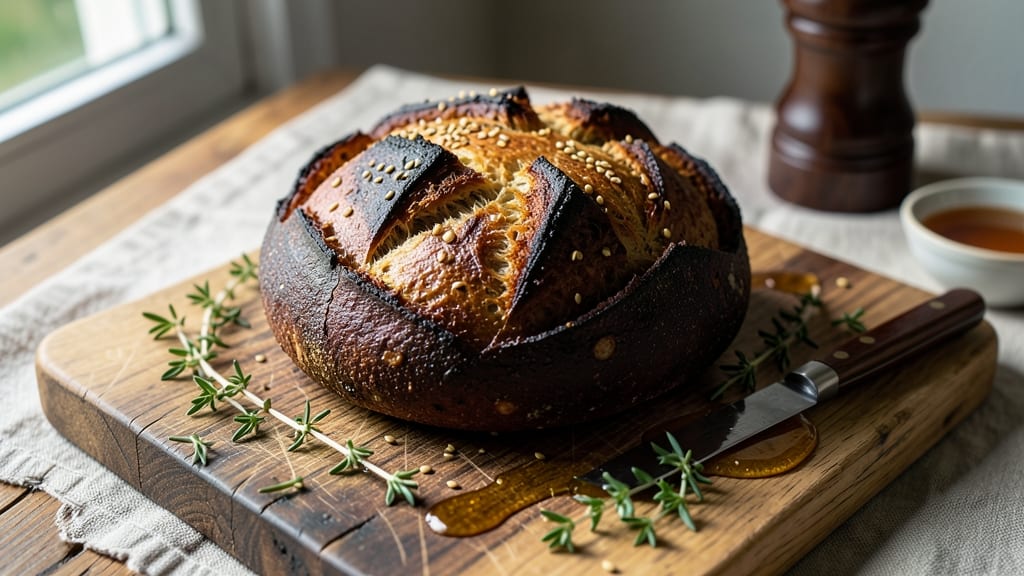
This authentic German rye bread delivers the deep malt aroma and dense, tangy texture that defines German baking traditions. 🌟 The secret lies in a precise blend of rye flour, malt syrup, and caraway seeds—each element carefully balanced to create that signature dark crust and hearty crumb.
I've perfected this recipe after years of studying regional variations, ensuring every slice captures the soul of German bread-making.
What sets this rye bread apart is its foolproof fermentation process, where the dough develops complex flavors over 12-24 hours. The result? A loaf with a crisp, dark crust that contrasts beautifully with its tender, slightly sour interior.
This bread isn't just food—it's a taste of German heritage, perfect for sandwiches, open-faced meals, or simply enjoyed with butter and honey.
Traditional German rye bread requires patience, but the reward is unmatched flavor. The malt syrup adds natural sweetness while darkening the crust, while caraway seeds contribute their signature aromatic bite. Each batch turns out with that authentic German density—never too light, never too heavy, but always satisfyingly substantial.
Whether you're baking for a family gathering or simply craving a taste of Germany, this recipe delivers restaurant-quality results at home. The process is straightforward once you understand the key techniques, and the aroma alone will transform your kitchen into a German bakery.
Let's get started on creating this timeless classic.
Ingredients for authentic german rye bread
Authentic German rye bread starts with these carefully chosen ingredients—each playing its part in creating that signature dark crust and tangy crumb.
| Ingredient | Amount | Notes |
|---|---|---|
| Dark Rye Flour 🌾 | 4 cups | High-extraction for authentic flavor |
| All-Purpose Flour 🌾 | 1 cup | For lighter texture balance |
| Active Dry Yeast 🍞 | ¼ oz | Or 2.5 g, tested fresh |
| Malt Syrup 🍯 | ½ cup | For deep caramelized crust |
| Caraway Seeds 🌿 | 2 tbsp | Whole seeds, lightly toasted |
| Honey 🍯 | 2 tbsp | For subtle sweetness |
| Salt 🧂 | 1 ½ tsp | Diamond Crystal preferred |
| Warm Water 💧 | 3 cups | 105°F for optimal yeast activation |
| Malt Powder 🌾 | 1 tbsp | For enhanced fermentation |
| Dark Brown Sugar 🍚 | 1 tbsp | For crust development |
| Cornmeal 🌽 | ¼ cup | For dusting loaf pans |
| Sesame Seeds 🌻 | 1 tbsp | Optional for traditional finish |
The rye flour is the heart of this bread, and King Arthur Dark Rye or Bob's Red Mill are my go-tos—they've got that deep malt flavor without being overly bitter. Caraway seeds? Penzeys Spices sells the best quality, but any whole seeds will work if lightly toasted first. The malt syrup is non-negotiable for that authentic caramelized crust—Bartley's is my favorite, but any malt syrup from a specialty store does the trick. Pro tip: if you can't find malt syrup, a 1:1 mix of molasses and honey works in a pinch, though it won't be identical. The yeast should be fresh—test it by proofing in warm water first if you're unsure.
No caraway seeds? Fennel seeds at half the amount give a similar aromatic note, though they won't be traditional. Running low on malt syrup? Extra dark corn syrup plus a pinch of coffee mimics some of the depth. The honey can be swapped for maple syrup if you prefer, but it won't have that same floral complexity. For the flours, if you can only find light rye, mix it with whole wheat flour to get closer to that dense texture. The sesame seeds are optional but worth it—they add a nice crunch and look stunning on the finished loaf. Always measure your flours by weight if possible for consistency, but the spoon-and-level method works in a pinch.
This dough needs time—12-24 hours of fermentation at room temperature is ideal. Cover it with a damp towel and let it rise in a warm spot, like near your oven with the light on. The longer it ferments, the more complex the flavor becomes, but don't let it exceed 24 hours or it may overproof. Once baked, let the loaf cool completely on a wire rack before slicing—at least 2 hours. It keeps well wrapped at room temperature for 3-4 days or frozen for 3 months. For serving, lightly toast slices and spread with German-style butter or serve with smoked salmon for an authentic German open-faced sandwich.
Why You'll Love This Recipe
- No-Knead Magic: I swear by this trick—just mix the dark rye flour with warm water, malt syrup, and a pinch of yeast, then let it rise overnight. No standing at the counter, no overworked arms. The dough practically proofs itself while you sleep.
- Earthy, Toasty Crunch: That first bite? The caraway seeds crackle like tiny sunflower seeds, while the malt syrup caramelizes into a deep, molasses-like sweetness. It’s the kind of bread that makes you slow down and actually taste your sandwich.
- Weeknight Workhorse: Slice it thick for breakfast with butter, pack it in lunches, or use it to soak up gravy at dinner. It’s the one loaf that does it all—no need for a separate sourdough or brioche. Honestly, my freezer’s full of these because they last forever.
- Budget-Friendly Staple: Dark rye flour might sound fancy, but a bag lasts months, and you’re using half as much as white flour. The yeast and caraway seeds are pennies, and the malt syrup adds just enough richness to feel special without breaking the bank. My grocery bill thanks me every time.
Step-by-step instructions for authentic German rye bread
Here's how to craft that signature dark crust and tangy crumb—just like Germany's best bakeries.
👨🍳 Step 1: Activate the Yeast and Prepare the Dough
In a large mixing bowl, combine the 3 cups warm water (about 105°F) with the 0.25 oz active dry yeast. Let it sit for 5-10 minutes until frothy—this confirms your yeast is alive and ready to work. If it doesn't bubble, start over with fresh yeast.
In a separate bowl, whisk together the 4 cups dark rye flour, 1 cup all-purpose flour, 1.5 tsp salt, 1 tbsp malt powder, and 1 tbsp dark brown sugar. The rye flour will be dense and heavy—this is normal. Create a well in the center and pour in the yeast mixture along with the 0.5 cup malt syrup and 2 tbsp honey.
Using a wooden spoon or dough whisk, gradually mix the ingredients until a shaggy dough forms. The malt syrup and honey will help create that signature caramelized crust later. Let the dough rest for 10 minutes—this allows the flours to hydrate properly before adding the seeds.
🍳 Step 2: Incorporate Seeds and Develop the Dough
Toast the 2 tbsp caraway seeds in a dry skillet over medium heat for 2-3 minutes until fragrant. This step intensifies their flavor and prevents them from sinking to the bottom of your bread. Let them cool slightly, then sprinkle them over the dough along with the 1 tbsp sesame seeds.
Using your hands, knead the dough on a lightly floured surface for 8-10 minutes until smooth and elastic. The dough will be sticky—this is expected with rye bread. If it feels too wet, add 1 tablespoon of the 4 cups dark rye flour at a time until it comes together. The dough should be soft but not stiff.
Here's the thing—rye dough behaves differently than wheat dough. You're not looking for the same smooth, silky texture. Instead, aim for a slightly tacky, cohesive mass that springs back slowly when poked. This indicates proper gluten development without overworking the dense rye.
🥘 Step 3: First Rise and Shaping
Lightly grease a large mixing bowl with vegetable oil and place the dough inside. Cover with a damp kitchen towel and let it rise at room temperature for 1-2 hours, or until it has nearly doubled in size. The dough will be slow to rise because of the high rye content—don't rush this step.
Once risen, turn the dough out onto a lightly floured surface and divide it into 6 equal portions (about 8 oz each). Shape each portion into a smooth boule by pulling the dough toward you in a rolling motion, tucking the edges under as you go. The tension on the surface creates that beautiful crackly crust later.
Place the shaped loaves seam-side up in two greased 9x5-inch loaf pans (3 loaves per pan). Cover with a damp towel and let them rise for another 30-45 minutes until they've expanded to fill about 80% of the pan. The tops should be slightly domed and feel springy when pressed gently with a fingertip.
🔥 Step 4: Score and Bake for Maximum Crust Development
Preheat your oven to 375°F with a baking stone or inverted baking sheet on the middle rack. This creates steam for that signature crust. While the oven heats, dust the loaves with 0.25 cup cornmeal—this prevents sticking and adds to the crust's texture.
Using a sharp razor blade or serrated knife, score each loaf deeply in a crosshatch pattern. This allows the bread to expand properly and creates those beautiful crackly crust sections. Bake for 40-45 minutes until the crust is deep mahogany brown and the internal temperature reaches 205-210°F.
For that authentic German touch, I like to finish the bread by placing it under the broiler for 1-2 minutes at the very end. Watch carefully—you want the crust to darken dramatically but not burn. The malt syrup and brown sugar will caramelize beautifully, creating that signature dark, glossy crust.
⏰ Step 5: Cool and Enjoy (The Most Important Step!)
Remove the bread from the oven and transfer it to a wire rack. Let it cool completely for at least 1 hour before slicing—this allows the crumb to set properly. The bread will be dense and moist inside with a satisfyingly chewy texture, while the crust should be dark, crisp, and slightly sweet from the caramelization.
Slice the bread with a serrated knife and serve warm with butter or your favorite jam. The caraway seeds will add a subtle anise-like flavor that pairs perfectly with the rye's earthy notes. For maximum freshness, store wrapped in a cloth bag at room temperature for up to 3 days or freeze for longer storage.
Pro Tips For Making Authentic German Rye Bread
- STEAM THE DOUGH: I learned this the hard way—skipping the steam step means a dense, flat loaf instead of that airy, shaggy crust. After mixing your dark rye flour and all-purpose flour with malt syrup (that’s your sweetener and yeast activator), cover the dough and let it rise in a warm spot with a bowl of hot water nearby. The steam mimics a bakery’s humidity and guarantees a proper oven spring.
- TOAST THE CARAWAY: Caraway seeds need to sing, not just sit there. Lightly toast them in a dry pan over medium heat for 30 seconds until they smell like a German Christmas market—warm, nutty, and slightly pungent. Grind them fresh right before mixing into the dough; store-bought ground seeds lose their punch fast, and your bread will taste like it’s missing something.
- KNEAD JUST ENOUGH: Rye dough fights back—overworking it turns gummy. Mix your yeast with warm water and malt syrup first, then fold in the flours until just combined. A few sticky lumps are fine; this isn’t pizza dough. Stop when the ingredients cling together loosely, or you’ll end up with a chewy brick instead of a tender crumb.
- CHILL THE SHAPE: Resist the urge to bake immediately. After shaping your loaf, pop it in the fridge for 30 minutes—yes, even if you’re eager. This firms up the dough so it holds its shape in the oven and prevents a sad, collapsed loaf. (I know, I know, but trust the process—your future self will thank you.)
Perfect pairings for these flavors
Classic German Spreads
Nothing beats this rye bread with German-style butter—I mean the real thing, like Müller Butter or Lindauer, which has a slightly tangy, rich flavor that cuts through the bread's earthiness.
Spread a thick layer on warm slices and top with smoked salmon or corned beef for an authentic Brotzeit (German open-faced sandwich) experience. 🥖
Cheese Pairings
For a heartier option, try Aged Gouda or Limburger—both have enough funk to complement the caraway's anise notes. I love pairing slices with Brie and a drizzle of honey for a sweet-savory contrast.
If you're feeling adventurous, Emmental cheese (like Swiss) melts beautifully when grilled on top of the bread.
Sweet Toppings
This bread's subtle sweetness makes it perfect for jam pairings. I reach for blackberry or quince jam—their tartness balances the rye's richness. For a breakfast treat, spread with Nutella and top with banana slices or strawberries.
The caraway seeds add a surprising depth that elevates even sweet pairings.
Beverage Matchups
A dark German beer like Dunkel or Bock is the ultimate pairing—its malty notes echo the bread's flavor profile. For something lighter, a crisp Pilsner (like Warsteiner) cleanses the palate.
Coffee lovers will adore this bread with a strong espresso or Kaffee mit Milch—the bitterness pairs surprisingly well with the caraway's warmth. ☕
Savory Sandwich Fillers
For a classic German sandwich, pile on roast beef, pickles, and mustard (I use Dijon-style). The bread's density holds up perfectly to hearty fillings. Another favorite? Cold cuts like salami or ham with horseradish cream—the caraway seeds add a subtle kick that ties everything together.
Regional Variations
In Bavaria, they often serve this bread with obatzda (a creamy cheese spread with paprika). Meanwhile, Northern Germany favors it with herring and onions. For a modern twist, try it with avocado mash and everything bagel seasoning—it’s become a hit at German-American delis! 🌍
Nutrition facts
Frequently asked questions
Why does my German rye bread turn out too dense or heavy?
Authentic German rye bread should be dense but not rock-hard. The most common causes are over-kneading or insufficient fermentation time. Rye dough develops gluten differently than wheat—knead just until the dough comes together (8-10 minutes max), then let it rest. For that perfect balance, ferment the dough for the full 12-24 hours at room temperature. The longer it ferments, the lighter and more open the crumb will be.
Can I substitute rye flour with whole wheat flour?
While you can use whole wheat flour, it won't give you the same authentic flavor or texture. For the closest substitute, mix 3 cups whole wheat flour with 1 cup all-purpose flour—this mimics some of rye's density. However, the lack of malt flavor means you'll need to add 1 extra tablespoon of malt powder and 1 extra tablespoon of dark brown sugar to compensate. The crust won't be as dark, but the crumb will be more open.
How do I know when the bread is fully baked?
Look for three key signs: the internal temperature should reach 205-210°F when measured with an instant-read thermometer, the crust should be deep mahogany brown, and it should sound hollow when tapped on the bottom. If you're unsure, bake for 5 extra minutes—rye bread continues cooking slightly after removal from the oven. The bread will also pull away cleanly from the sides of the pan when properly baked.
What's the best way to store leftover rye bread?
Wrap cooled loaves in a cloth bag or beeswax wrap to maintain freshness at room temperature for 3-4 days. For longer storage, freeze the bread in 1-inch slices wrapped individually in plastic wrap—this prevents freezer burn and makes it easy to toast single slices. When reheating, wrap slices in foil and warm in a 350°F oven for 5-7 minutes for that just-baked texture.
Can I make this bread without caraway seeds?
While caraway seeds are traditional, you can substitute fennel seeds at half the amount (1 tbsp) for a similar aromatic note. For a seed-free version, simply omit them—the bread will still have depth from the malt and rye, though it'll lack that signature German flavor. If you want extra crunch, try poppy seeds or sunflower seeds instead, but they'll change the flavor profile completely.