
Side Dishes
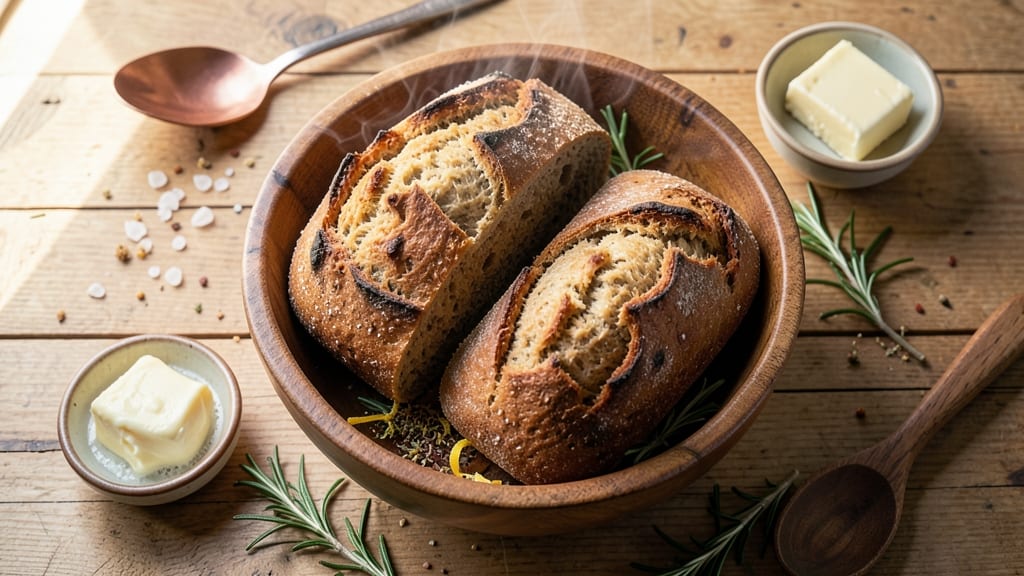
This authentic Irish brown soda bread recipe brings a taste of the Emerald Isle to your kitchen table—no yeast, no kneading, just rustic tradition and buttermilk tang. The secret lies in baking soda's slow activation, creating that signature dense crumb and crispy crust that defines Irish baking.
I've perfected this version after years of testing, ensuring every slice delivers that unmistakable flavor and texture.
The beauty of traditional soda bread is its simplicity—just four core ingredients (flour, buttermilk, baking soda, and salt) create something magical. The dough comes together in minutes, then bakes in a hot oven for about 45 minutes, developing that golden crust and slightly dense interior.
This recipe stays true to Irish roots while adapting for modern kitchens with a few key techniques.
What makes this bread truly special is its versatility—serve warm with butter straight from the oven, pair with Irish stew, or enjoy with tea for that quintessential Irish experience. The crust stays crisp for days, while the interior remains tender.
For those who love texture, adding seeds or raisins is a delicious variation that keeps the bread's integrity intact.
The cultural significance of soda bread runs deep—it was a staple in Irish households for centuries, providing sustenance during lean times. This recipe preserves that heritage while making it accessible for home bakers. Once you try it, you'll understand why it's a cornerstone of Irish cuisine and a favorite worldwide.
Ingredients for authentic irish brown soda bread
Four core ingredients plus a few extras for that classic Irish rustic touch.
| Ingredient | Amount | Notes |
|---|---|---|
| All-Purpose Flour 🌾 | 3 cups | Plus 2 tbsp for dusting |
| Whole Wheat Flour 🌾 | 1 cup | For brown color and texture |
| Buttermilk 🥛 | 1 ½ cups | Room temperature preferred |
| Baking Soda 🧂 | 1 tsp | Freshly opened for best rise |
| Salt 🧂 | 1 tsp | Diamond Crystal preferred |
| Unsalted Butter 🧈 | ½ cup | Cold, cubed for texture |
| Honey 🍯 | 2 tbsp | Wildflower preferred |
| Sesame Seeds 🌰 | 2 tbsp | Optional for topping |
| Poppy Seeds 🌰 | 1 tbsp | Optional for topping |
The flours are key here—all-purpose gives structure while whole wheat delivers that signature brown hue and hearty texture. Bob's Red Mill or King Arthur flours work best for this recipe. Buttermilk should be room temperature (cold makes the dough too stiff), and if you're in a pinch, mix 1.5 cups milk with 1.5 tbsp vinegar or lemon juice. The baking soda is non-negotiable—it's what creates that signature dense crumb. Diamond Crystal salt adds a cleaner flavor than table salt, but use what you've got. For the butter, cold cubes create pockets of richness that disappear during baking, leaving behind tender crumb.
No buttermilk? Milk plus vinegar is the classic swap, but plain yogurt thinned with milk works too. Running short on whole wheat flour? Substitute with extra all-purpose plus 1 tsp molasses for depth. The honey adds just enough sweetness to balance the tang—skip it if you prefer savory. For seeds, sesame and poppy are traditional, but sunflower or flaxseeds add nice texture. Pro tip: Toast the seeds in a dry pan for 2 minutes before topping—they'll stay crunchy longer. The dough should be sticky but not wet; if it's too dry, add 1 tbsp more buttermilk.
This bread tastes best the day it's baked, but any leftovers keep well wrapped at room temperature for 2-3 days. For longer storage, freeze slices wrapped in parchment for up to 3 months. To revive, warm in a 350°F oven for 5-10 minutes until crisp again. The crust stays crisp for days, while the interior stays tender—perfect for making ahead. I always bake two loaves: one for the table, one for freezing. The seeds on top? They're not just decoration—they add crunch that lasts for days.
Why You'll Love This Recipe
- No-Mix Needed: I swear by this—just fold the flours, buttermilk, and baking soda together with my hands. No stand mixer, no fuss, and that rustic crumb? Pure magic from the simplest steps.
- Tangy Crust, Soft Core: The buttermilk’s sharp bite cuts through the hearty whole wheat, while the baking soda lifts it just enough for that signature crackly crust. Honestly, I reach for this over store-bought any day.
- Stays Fresh Days: I’ve kept a loaf wrapped in a tea towel for five days with zero staling. Toast it for breakfast, pack it for lunch—it’s the bread that actually gets eaten before the milk.
- Pocket-Friendly Staple: Four ingredients, one of which is salt. I buy buttermilk in bulk, and the flours? Already in my pantry. This is the kind of recipe that makes grocery bills breathe easier.
Step-by-step instructions for authentic Irish brown soda bread
Here's how to craft this classic Irish bread with its signature crusty exterior and tender crumb.
Mix the Wet and Dry Ingredients Separately
In a large mixing bowl, combine the 3 cups all-purpose flour and 1 cup whole wheat flour. Add the 1 tsp baking soda and 1 tsp salt, then whisk together until evenly distributed. This dry mix forms the foundation of our bread's structure.
In a separate bowl, whisk together the 1.5 cups buttermilk and 2 tbsp honey until the honey dissolves completely. The buttermilk's tang is essential for that authentic Irish flavor, while the honey adds subtle sweetness that balances the bread's rustic character. I like to let this mixture sit for 5 minutes at room temperature to ensure the honey blends perfectly.
Combine and Knead the Dough
Make a well in the center of your dry ingredients and pour in the buttermilk mixture. Using a wooden spoon or your hands, gently stir until the dough begins to come together. Once it forms a shaggy mass, sprinkle in the 0.5 cup cold cubed butter and work it into the dough with your fingertips.
Turn the dough out onto a lightly floured surface and knead gently for about 3-4 minutes. You're not looking to develop gluten like you would with yeast breads—just enough to bring everything together. The dough should be slightly sticky but hold its shape when pressed. If it feels too wet, add 1-2 tablespoons of the all-purpose flour you've set aside for dusting.
Shape and Prepare for Baking
Divide the dough in half and shape each piece into a round loaf about 1 inch thick. Place them on a baking sheet lined with parchment paper, spacing them about 2 inches apart. For that classic Irish look, I like to make a shallow cross on top of each loaf using a sharp knife, cutting about ½ inch deep. This isn't just decorative—it helps the bread bake more evenly.
Preheat your oven to 375°F. While it's heating, brush the tops of the loaves with a little water using a pastry brush. This creates steam during baking, which gives that beautiful crusty exterior we're after. Sprinkle the tops with the 2 tbsp sesame seeds and 1 tbsp poppy seeds for that traditional Irish seed topping.
Bake to Golden Perfection
Bake the bread for 40-45 minutes until the tops are deep golden brown and sound hollow when tapped on the bottom. The bread should have a crisp crust but still feel warm and soft inside. I usually check it at the 35-minute mark—this oven can run hot, so it's better to pull it out slightly underdone than risk overbaking.
Let the bread cool on a wire rack for at least 15 minutes before slicing. This resting period allows the crumb to set properly and prevents it from turning gummy. The bread will continue to steam internally, developing that perfect texture. Serve warm with a little more of that buttermilk or a pat of the butter we used in the recipe—it's the true Irish way!
Pro Tips For Making Authentic Irish Brown Soda Bread
- STIR THE DOUGH LESS: I learned this the hard way—overmixing turns brown soda bread dense and gummy. Just combine the dry ingredients, make a well, pour in the buttermilk, and stir barely until the dough comes together. It’ll look shaggy, but that’s how it’s supposed to be.
- WEIGH THE FLOUR: Scooping flour from the bag packs in air and changes ratios. Use a kitchen scale for both the all-purpose and whole wheat flour—400g total is standard. If you’re measuring by volume, spoon it in and level off; don’t tap the bowl.
- SKIP THE OVEN RACK: Place the bread directly on the middle rack, not on a tray. The bottom crust needs to crisp up from the heat below, and a tray steams it instead. After 20 minutes, flip it upside down for even browning—no peeking!
- USE COLD BUTTERMILK: Straight from the fridge, buttermilk reacts slower with the baking soda, giving you time to shape the dough without it puffing up prematurely. If yours is warm, chill it for 10 minutes first—your dough will thank you.
Flavor customization for authentic irish brown soda bread
Sweet Variations
For a sweeter twist, replace the 2 tbsp honey with 3 tbsp molasses—this deepens the flavor while adding caramel notes. I also like adding ½ cup raisins or currants to the dough before shaping.
For extra richness, fold in ¼ cup chopped crystallized ginger or dried cranberries for a festive holiday version. 🍯
Savory Add-Ins
Keep it traditional with 1 tbsp caraway seeds mixed into the dry ingredients for a subtle anise-like flavor. Or try 1 tsp smoked paprika for depth, especially if serving with hearty stews.
For texture, fold in ½ cup chopped walnuts or pecans—toast them first in a dry pan for 3 minutes to enhance their flavor. These additions work beautifully with the buttermilk tang.
Herb Infusions
Fresh herbs brighten up this bread without overpowering it. Add 2 tbsp finely chopped rosemary or thyme to the dough for an earthy aroma. I also love 1 tbsp lemon zest combined with 1 tsp dried lavender for a floral, citrusy twist—perfect for afternoon tea.
Just be sure to use culinary lavender (not ornamental) for the best flavor. 🌿
Gluten-Free Adaptation
For a gluten-free version, replace the flours with a 1:1 gluten-free flour blend (like King Arthur Measure for Measure or Bob's Red Mill 1-to-1). Add ½ tsp xanthan gum to the dry mix to improve texture.
The dough will be stickier, so work quickly when shaping. Expect a slightly denser crumb, but the buttermilk tang remains intact. This works well with sunflower seeds instead of sesame for topping.
Spiced Twist
Warm spices elevate this bread beautifully. Mix ½ tsp cinnamon and ¼ tsp nutmeg into the dry ingredients for a cozy, aromatic version. Or try ½ tsp cardamom for a Middle Eastern-inspired twist that pairs wonderfully with tea.
For extra warmth, add ¼ tsp ground ginger**—it complements the honey perfectly and gives the crust a subtle sparkle. 🌶️
Nutrition facts
Frequently asked questions
Why does authentic Irish brown soda bread use baking soda instead of yeast?
Traditional Irish soda bread relies on baking soda for a quick rise without yeast—perfect for 19th-century kitchens where yeast wasn't always reliable. The baking soda reacts with the buttermilk's acidity, creating carbon dioxide bubbles that give the bread its signature dense yet tender crumb. This no-yeast method also means no waiting for dough to rise!
Can I make this bread without buttermilk? What's the best substitute?
Yes! The classic swap is 1.5 cups milk mixed with 1.5 tbsp vinegar or lemon juice—let it sit for 5 minutes to curdle. For extra richness, use plain yogurt thinned with milk (1:1 ratio). The tang is key for authentic flavor, so avoid using plain milk alone.
What's the purpose of scoring the bread before baking?
The cross cut isn't just decorative—it helps the bread expand evenly and prevents cracking. The steam from the water brush creates a crisp crust, while the cuts direct the expansion. For extra rustic flair, make a deeper cross after baking to reveal the tender interior.
How do I store leftovers to keep them fresh?
Wrap cooled slices in parchment paper and store at room temperature for 2-3 days—the crust stays crisp! For longer storage, freeze slices for up to 3 months. To revive, warm in a 350°F oven for 5-10 minutes until golden and crisp again.
Why did my bread turn out dense instead of crusty?
Overmixing or underbaking are common culprits. The dough should be just combined—no kneading like yeast bread! Bake until golden brown (40-45 minutes) and tap the bottom: it should sound hollow. If too dense, try adding 1 extra tbsp buttermilk next time for better rise.