
Side Dishes
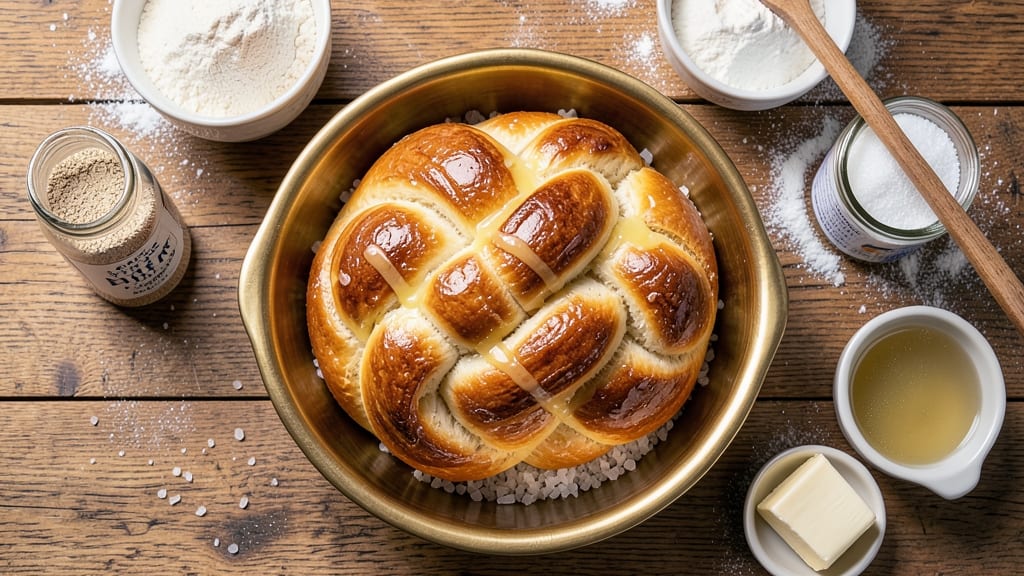
This authentic Jewish challah bread recipe brings the warm, golden tradition of Shabbat to your kitchen with its signature braided shape and rich, eggy dough. The secret lies in a precise balance of flour, eggs, and honey—each ingredient playing a role in creating that tender, slightly sweet crumb and glossy crust. I've perfected this recipe over years of baking for family gatherings, where the aroma alone brings everyone to the table.
The process honors tradition while making it accessible: a well-kneaded dough that rests twice for maximum flavor, then carefully braided before baking to a golden brown.
What sets this apart is the eggy richness—four whole eggs create a velvety texture that's impossible to resist, while a honey glaze adds just enough sweetness to complement the savory notes. The braided shape isn't just decorative; it symbolizes unity, a centerpiece for any Jewish celebration.
By following these steps, you'll achieve a challah with a soft, pillowy interior and a crisp, golden crust that stays fresh for days. The dough's elasticity comes from proper kneading and resting times, while the egg wash ensures that signature shine.
Whether you're baking for Shabbat, a holiday, or simply indulging in tradition, this recipe delivers results that taste like home.
For those looking to elevate their challah further, consider adding a poppy seed filling or sprinkling sesame seeds on top before baking. The variations are endless, but the foundation remains the same: a dough that's equal parts technique and love. Let's get started on creating your own braided masterpiece.
Ingredients for authentic jewish challah bread
Eight essential ingredients transform into golden, braided challah—rich, tender, and full of tradition.
| Ingredient | Amount | Notes |
|---|---|---|
| All-Purpose Flour 🌾 | 6 cups | High-protein preferred for elasticity |
| Large Eggs 🥚 | 4 whole | Room temperature for even mixing |
| Granulated Sugar 🍚 | ¼ cup | White or light brown |
| Active Dry Yeast 🍞 | 2 ¼ tsp | One packet, fresh is best |
| Warm Water 💧 | 1 ¼ cups | 110°F for yeast activation |
| Unsalted Butter 🧈 | ½ cup | Softened, full-fat preferred |
| Salt 🧂 | 1 ½ tsp | Kosher or sea salt |
| Honey 🍯 | ¼ cup | Light or wildflower variety |
| Large Egg Yolks 🥚 | 2 whole | For egg wash |
| Sesame Seeds 🌿 | 2 tbsp | Optional for topping |
| Poppy Seeds 🌱 | ¼ cup | Optional for filling |
| Milk 🥛 | ¼ cup | For dough tenderness |
The flour is non-negotiable here. King Arthur or Gold Medal are my go-tos—they've got that high protein content that gives challah its signature chew. If you're using store-brand flour, check the label for at least 11% protein. The eggs? Room temperature is key—they mix in better and create that velvety texture. I always buy the largest eggs I can find at Whole Foods or Trader Joe's—they've got more yolk, which is where all the richness comes from. The honey? Wildflower or clover adds subtle floral notes that pair perfectly with the eggy dough. Skip the processed stuff—it tastes like sugar water.
No sesame seeds? Poppy or sunflower seeds work just as well for topping. Out of butter? Vegetable shortening in a pinch, though it won't have the same flavor. The yeast is the heart of this recipe—if yours doesn't foam in 5-10 minutes in warm water, it's dead. Toss it. For the honey glaze, I like to mix it with egg yolks and a splash of milk to make it extra shiny. No honey? Maple syrup works in a bind, though it's got a stronger flavor. The milk in the dough is what makes it so tender—don't skip it, even if you're not a fan of milk in baked goods. Trust me on this one.
This dough needs time to develop flavor. Make it the night before if you can—resting overnight is traditional and worth it. Store wrapped in plastic in the fridge for up to 2 days. For the braided shape, divide the dough into three equal pieces (about 12 oz each). If you're making it ahead, freeze the shaped loaves on a tray before transferring to a bag—they'll keep for 3 months. Reheat in a 350°F oven for 10 minutes to restore that fresh-baked aroma.
Why You'll Love This Recipe
- No-Knead Magic: I swear by this dough—just mix, let it rise, and watch it transform into golden braids without a single punch or fold. The yeast and sugar work their magic while you sip coffee, and honestly? That’s my kind of baking.
- Sweet Eggy Luxury: The eggs in this recipe aren’t just for structure—they add this rich, buttery depth that makes every bite feel like a little indulgence. (Yes, even with just flour, sugar, and water as the base.) It’s the kind of flavor that turns a simple loaf into something you’d serve at a gathering.
- Shabbat Ready: This is my go-to for Friday nights—warm, fragrant, and ready to feed the whole family. The dough’s forgiving nature means I can prep it hours ahead, and the braided shape? Instantly feels special without the fuss of store-bought.
- Budget-Friendly Staple: Flour, eggs, and yeast won’t break the bank, and one batch stretches for days. Toast it for breakfast, freeze slices for quick toast later, or use it to soak up gravy—this challah does double duty without the guilt. (My wallet thanks me every time.)
Step-by-step instructions for authentic Jewish challah bread
Here's how to make traditional challah with that signature eggy richness and perfect braid.
Activate the Yeast and Mix the Dough
In a small bowl, combine the 1.25 cups warm water (about 110°F) with the 0.25 cup granulated sugar and 2.25 tsp active dry yeast. Let it sit for 5-10 minutes until frothy—this confirms the yeast is alive. If it doesn't bubble, your yeast is dead and you'll need to start over.
In a large bowl, whisk together the 6 cups all-purpose flour and 1.5 tsp salt. Make a well in the center and pour in the yeast mixture, 0.5 cup softened unsalted butter, 0.25 cup honey, 0.25 cup milk, and 4 whole large eggs. Mix with a wooden spoon until a shaggy dough forms, then turn it out onto a lightly floured surface.
Knead Until Silky Smooth
Knead the dough vigorously for 8-10 minutes by hand (or 5-6 minutes with a stand mixer using the dough hook) until it becomes smooth, elastic, and springs back when poked. This step develops gluten, which gives challah its signature chew and structure.
Real talk: If the dough feels sticky, add flour 1 tablespoon at a time—but don't overdo it. You want it to be soft, not dry. Once it passes the windowpane test (stretch a small piece and see if it forms a thin, translucent membrane), you're golden.
First Rise for Flavor Development
Place the dough in a lightly greased bowl, cover it with a damp towel, and let it rise in a warm place for 1-1.5 hours, or until it doubles in size. The kitchen should feel warm—if it's chilly, your oven with the light on works great for this.
Here's the thing—this first rise is where the magic happens. The yeast ferments, creating those complex flavors that make authentic challah taste so much better than store-bought. Poke the dough gently; if it springs back slowly, it's ready.
Shape and Braid the Challah
Punch down the risen dough and divide it into 3 equal pieces (about 12 ounces each). Roll each piece into a 24-inch rope, then braid them together by placing the first rope vertically, then looping the other two around it in an over-under pattern. Tuck the ends under for a neat finish.
Place the braided loaf on a parchment-lined baking sheet, cover it loosely with a towel, and let it rise for another 30-45 minutes until puffy. The braid should look full and slightly rounded—this is your visual cue it's ready for the oven.
Bake to Golden Perfection
Preheat your oven to 375°F. Brush the risen challah with a mixture of 2 whole large egg yolks and 1 tablespoon water, then sprinkle with 2 tbsp sesame seeds and 0.25 cup poppy seeds (if using). Bake for 25-30 minutes until deep golden brown.
For that authentic Jewish touch, bake on the middle rack for even heat distribution. The challah is done when it sounds hollow when tapped on the bottom and the internal temperature reaches 190°F. Let it cool on a wire rack for at least 30 minutes before slicing—this prevents a gummy texture.
Pro Tips For Making Authentic Jewish Challah Bread
- Dissolve Yeast First: Mix the active dry yeast with the warm water and a pinch of sugar in a small bowl—let it sit for 5-10 minutes until it foams. This guarantees your yeast is alive and ready to work, not just sprinkled into the dough like confetti.
- Use Room-Temp Eggs: Cold eggs slow the dough’s rise. Take your eggs out of the fridge 30 minutes before mixing—this keeps the dough from taking forever to proof and ensures a smoother texture.
- Knead Until Silky: Stop when the dough pulls away from the bowl and springs back like a bouncy ball. Over-kneading makes it tough; under-kneading leaves it gummy. Aim for 8-10 minutes by hand or 5-6 minutes in a mixer.
- Shape Braids Tight: Pinch the dough seams shut as you braid—no gaps. Loose seams let air escape during baking, ruining the rise. Use your fingers to press firmly at each twist for a professional, puffy finish.
Perfect pairings for authentic jewish challah bread
Classic Shabbat Spread
Serve your freshly baked challah alongside traditional Shabbat staples like smoked salmon with cream cheese and capers, matzo ball soup, and gefilte fish. The eggy richness of the challah complements the salty, briny flavors beautifully.
I like to arrange everything on a large wooden board for a rustic, family-style presentation. 🥖
Sweet Pairings
For a dessert pairing, try honey cake or fruit compote—the natural sweetness balances the challah's subtle honey notes. A simple vanilla bean ice cream with a drizzle of honey creates a luxurious contrast. If you're feeling adventurous, add chocolate-dipped strawberries for a modern twist that still honors tradition.
Savory Toppings
Spread whipped schmear (a mix of cream cheese, sour cream, and chives) on warm slices for a classic Jewish deli experience. For something lighter, try hummus with za'atar or olive tapenade—both add Mediterranean flair. I often serve these with pickled vegetables to cut through the richness of the bread.
Beverage Matchups
A light, crisp white wine like Sauvignon Blanc or Pinot Grigio pairs perfectly with the eggy, buttery notes of challah. For non-alcoholic options, sparkling apple cider or mint-infused iced tea refresh the palate.
If you're serving it with a hearty meal, a bold red like Cabernet Sauvignon stands up to richer dishes like brisket or roasted chicken. 🍷
Breakfast Pairings
Turn your challah into a breakfast star by serving it with scrambled eggs, lox, and everything bagel seasoning. The toasted bread soaks up runny yolks beautifully.
For a sweeter morning treat, spread nutella and top with banana slices or toasted almonds. This combo is a crowd-pleaser for brunch gatherings.
Holiday Variations
During Hanukkah, serve your challah with latkes and sufganiyot (jelly donuts) for a festive spread. For Passover, swap the honey for date syrup and serve with charoset (a sweet fruit-nut paste) to honor the holiday's traditions.
The braided shape remains symbolic, while the flavors adapt to the occasion. 🎄
Nutrition facts
Frequently asked questions
Why does traditional challah use so many eggs?
The four whole eggs in this recipe create that signature velvety, rich texture that sets authentic Jewish challah apart. Eggs add moisture, structure, and a subtle sweetness that balances the honey. Plus, they help create that beautiful golden crust when brushed on top. For a lighter version, you can reduce to 3 eggs, but expect a slightly denser crumb.
Can I make this dough ahead of time?
This is actually traditional. Shape your braided loaves the night before, cover them tightly with plastic wrap, and refrigerate. The dough will rise slowly in the fridge and develop even deeper flavors. When ready to bake, let them sit at room temperature for 1-2 hours before baking—no need to proof again.
What if my challah turns out dense instead of light?
Dense challah usually means the dough wasn't kneaded enough or didn't rise properly. Make sure you knead until it passes the windowpane test (stretches thin without tearing) and give it enough time to double in size during both rises. Also check your yeast—if it didn't foam in 5-10 minutes, it was dead and needs replacing. A food scale helps ensure equal dough portions for perfect braiding.
How do I store leftover challah?
Wrap cooled challah tightly in plastic wrap or aluminum foil and store at room temperature for 2-3 days. For longer storage, freeze slices in a sealed bag for up to 3 months. To revive, warm frozen slices in a 350°F oven for 5-10 minutes until soft. The best way to keep it fresh? Toast slices before serving—they'll taste almost like fresh-baked!
Can I make a smaller batch for 2 people?
Yes! Halve the recipe by using 3 cups flour, 2 eggs, 1 tsp yeast, and 0.25 cup butter. The braiding will be simpler with just 2 ropes instead of 3. Keep all other ratios the same for the same rich flavor. This works perfectly for a cozy weekend breakfast with lox and cream cheese.