
Desserts
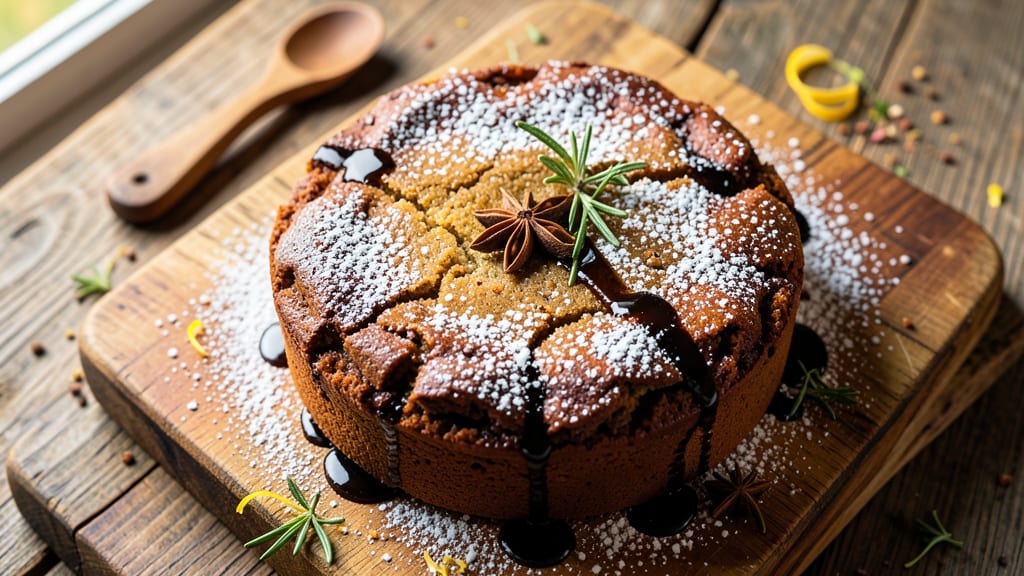
This 8x8 gingerbread cake recipe delivers the perfect balance of spiced warmth and moist tenderness with a golden crust that cracks just enough to reveal caramelized edges. The secret lies in molasses and cinnamon working together to create deep, aromatic layers that linger with every bite.
I've perfected this recipe over years of holiday baking, ensuring it stays moist without turning dense—no dry crumb here. The foundation starts with a simple but precise ratio of all-purpose flour, brown sugar, and baking soda, which creates that signature gingerbread texture.
Molasses adds the signature depth, while warm spices like cinnamon, ginger, and cloves infuse every layer. A quick mix of wet ingredients—eggs, oil, and vanilla—keeps the process straightforward, and the cake bakes in just 35 minutes at 350°F for a perfect rise.
What sets this apart is the crusty edge magic—achieved by brushing the warm cake with a simple syrup of melted butter and brown sugar while still in the pan. This creates that coveted contrast between tender crumb and crispy exterior. The result?
A cake that's rich, aromatic, and perfect for slicing into generous portions. Serve warm with whipped cream or a dusting of powdered sugar, or frost with cream cheese glaze for a modern twist. This recipe scales beautifully for gatherings, but the 8x8 pan makes it ideal for smaller celebrations too.
Let's get baking!
Ingredients for 8x8 gingerbread cake
These twelve simple ingredients transform into a spiced, moist gingerbread cake with that perfect crusty edge.
| Ingredient | Amount | Notes |
|---|---|---|
| All-Purpose Flour 🌾 | 2 cups | Sifted for even texture |
| Packed Brown Sugar 🍯 | 1 ½ cups | Light or dark variety |
| Molasses 🍯 | ½ cup | Unsulphured preferred |
| Large Eggs 🥚 | 2 whole | Room temperature for even mixing |
| Vegetable Oil 🫒 | ½ cup | Light or canola preferred |
| Pure Vanilla Extract 🌿 | 1 tbsp | High-quality for best flavor |
| Ground Cinnamon 🌶️ | 2 tsp | Freshly ground for warmth |
| Ground Ginger 🌶️ | 1 ½ tsp | Freshly ground for zing |
| Ground Cloves 🌶️ | ½ tsp | Freshly ground for depth |
| Baking Soda 🧂 | 1 tsp | Pure, not baking powder |
| Salt 🧂 | ½ tsp | Fine sea salt preferred |
| Unsalted Butter 🧈 | ½ cup | Melted for syrup |
| Powdered Sugar 🍯 | ¼ cup | For dusting (optional) |
The molasses is the soul of this cake—Blackstrap or unsulphured is ideal, but any good molasses works. King Arthur or Bob's Red Mill flour gives the best texture, but any all-purpose will do. For spices, Penzeys or local spice shops have the freshest ground options. Store-bought ground spices work too, but toast them in a dry pan for 30 seconds to wake up the flavors. The brown sugar should be packed—tap the cup to settle it. And don't skip the baking soda; it's what creates that signature tender crumb.
No molasses? Dark corn syrup or maple syrup in a pinch, but it won't have the same depth. Fresh ginger? Grated and measured as 1 tbsp replaces ground ginger 1:1. The vanilla extract can be imitation if you're in a bind, but trust me—high-quality vanilla makes all the difference. For the crusty edge magic, the butter must be melted and the brown sugar dissolved completely. If you're feeling fancy, add a pinch of cardamom to the spice mix—it pairs beautifully with gingerbread.
This cake keeps beautifully—3 days wrapped at room temperature or 1 week in the fridge. For longer storage, freeze the whole cake (unfrosted) for up to 3 months. The syrup trick for the crusty edges? Do it while the cake is still warm. Brush it on, then let it cool completely. The contrast between the tender crumb and crispy exterior is what makes this cake special. Leftovers? Warm slices with whipped cream or a sprinkle of powdered sugar—absolute perfection.
Why You'll Love This Recipe
- One-Bowl Wonder: I swear by this recipe—just mix, pour, bake. No fancy layers, no fussing with multiple pans. The molasses and brown sugar blend together so smoothly, you’ll wonder why you ever baked gingerbread any other way.
- Molasses Magic: That deep, caramelized kick from the molasses? It’s the star. The cake stays moist without being heavy, and the oil keeps it tender—no dry crumb here. Honestly, the first time I tasted it, I immediately made a mental note: this is my new default dessert.
- Holiday or Hangry Fix: Serve it warm with whipped cream for Christmas morning, or cut into squares for a quick snack when the kids are starving at 3 PM. The 8x8 size means you can freeze half for later, too—no wasted effort.
- Budget-Friendly Indulgence: Flour, sugar, eggs—these are pantry staples that won’t break the bank. A single batch feeds a crowd or stretches into breakfast treats for days. Between us, this is the kind of recipe that makes you feel like you’re hosting a party without the grocery bill.
Step-by-step instructions for 8x8 gingerbread cake
Here's how to bake the perfect spiced cake with a moist center and that coveted crusty edge.
Mix Dry Ingredients for Perfect Texture
In a medium bowl, sift together the 2 cups all-purpose flour, 1.5 cups packed brown sugar, 2 tsp ground cinnamon, 1.5 tsp ground ginger, 0.5 tsp ground cloves, 1 tsp baking soda, and 0.5 tsp salt. I like to use a fine-mesh sieve for the flour to prevent lumps that can make the cake dense. Gently whisk all ingredients until completely combined—you should see an even distribution of spices throughout the sugar.
This dry mix is the flavor foundation of your cake. The spices need to be evenly dispersed so every bite delivers that warm gingerbread punch. Set this bowl aside for now—we'll come back to it after mixing the wet ingredients. The separation prevents the flour from absorbing moisture too early, which keeps the batter light and fluffy.
Whisk Wet Ingredients for Smooth Batter
In a separate large bowl, whisk together the 2 whole large eggs (at room temperature), 0.5 cup vegetable oil, 0.5 cup molasses, and 1 tbsp pure vanilla extract. The eggs should be fully incorporated, and the mixture should be smooth with no visible streaks of oil or egg whites. I like to whisk vigorously for about 30 seconds to ensure the molasses and oil fully emulsify.
This step is crucial for the cake's moisture. The molasses adds depth of flavor but can be thick—whisking thoroughly prevents any separation later. The room-temperature eggs blend more easily and create a lighter batter. If your molasses is particularly thick, you can gently warm it for 10-15 seconds in the microwave to make it easier to incorporate.
Combine Wet and Dry Ingredients Gently
Gradually add the dry ingredients to the wet ingredients while mixing on low speed with an electric mixer. Start slow to avoid developing gluten, which would make the cake tough. Once all the dry ingredients are incorporated, mix just until combined—about 30 seconds—being careful not to overmix. The batter should be thick but pourable, with no visible flour streaks.
Here's where the magic happens: the baking soda reacts with the molasses and eggs to create lift. I like to scrape down the sides of the bowl with a rubber spatula to ensure everything is evenly mixed. The batter should be smooth and slightly thick—this consistency guarantees that moist, dense texture we're after. If it looks too thick, add 1-2 tablespoons of water to help it flow better.
Bake to Golden Perfection
Preheat your oven to 350°F and grease an 8x8-inch baking pan thoroughly with butter, then dust with flour. Pour the batter into the prepared pan and smooth the top with a spatula. Bake for 45-50 minutes, or until a toothpick inserted into the center comes out clean with just a few moist crumbs clinging to it. The edges should be deep golden brown, while the center remains slightly springy to the touch.
Real talk: don't overbake. The cake will continue cooking slightly as it cools, and an overbaked cake turns dry. I like to tent the pan with foil after 30 minutes if the edges are browning too quickly. Once done, let the cake cool in the pan for 10 minutes before transferring it to a wire rack. This resting period prevents it from cracking as it cools completely.
Finish with Butter Syrup and Dusting
While the cake cools, melt the 0.5 cup unsalted butter in a small saucepan over low heat. Once melted, remove from heat and whisk in 0.25 cup powdered sugar until smooth. This butter syrup is what takes your cake from good to extraordinary—it adds moisture and richness to every slice.
Once the cake has cooled completely, poke holes all over the top with a fork and pour the butter syrup evenly over the surface. Let it absorb for 5 minutes, then dust with any remaining powdered sugar if desired. The syrup should create a glossy finish while keeping the cake moist for days. Serve warm or at room temperature for the best experience—each slice should be dense, spiced, and perfectly balanced between sweet and molasses depth.
Pro Tips For Making 8x8 Gingerbread Cake
- MEASURE MOLASSES BY WEIGHT: I learned this the hard way—molasses is thicker than syrup, and those little scoops in the bottle lie. Use a kitchen scale for 240g (about ¾ cup plus 1 tbsp) to guarantee the deep, spicy flavor this cake needs. Spooning from the bottle leaves you guessing, and your cake will taste uneven.
- WHISK EGGS UNTIL PALE: That molasses makes the batter dark fast, but don’t stop mixing when it looks "done." Whisk the eggs until they’re pale yellow and ribbony—about 2 minutes longer than you think. This ensures the cake rises smoothly and doesn’t sink in the middle, especially in that 8x8 pan.
- BAKE UNTIL TOOTHPICK COMES OUT CLEAN: I used to pull gingerbread out when the edges looked set, only to have a gummy center. For this recipe, bake until a toothpick inserted in the middle comes out with moist crumbs, not wet batter. The cake firms up as it cools, so resist the urge to rush it—especially if your oven runs hot.
- GREASE PAN WITH OIL, THEN FLOUR: This isn’t the prettiest method, but it’s the tastiest. Brush the 8x8 pan with vegetable oil, then dust with flour, tapping out the excess. The oil prevents sticking, and the flour keeps the cake from clinging to the sides—no parchment needed. (Yes, even if you’re impatient like me.)
Regional styles of this 8x8 gingerbread cake
Southern Classic Style
In the American South, gingerbread cake often takes center stage during holiday gatherings, especially around Christmas. This version leans into the traditional molasses-forward flavor while adding a touch of orange zest—about 1 teaspoon—to brighten the spices.
I like to serve it warm with a sprinkle of coarsely ground pecans on top for texture. The Southern style also includes a buttercream frosting made with ½ cup softened butter, 2 cups powdered sugar, and 2 tablespoons milk, flavored with 1 teaspoon vanilla. 🍯
German Spiced Twist
German gingerbread, or Lebkuchen, brings a deeper spice profile with the addition of anise seeds—about ½ teaspoon crushed—and a hint of nutmeg. The batter often includes chopped candied ginger or dried fruit like cherries for texture.
For a true German touch, brush the cooled cake with a simple syrup made from ½ cup water and ½ cup sugar, then dust with powdered sugar and decorate with marzipan shapes. This version is less sweet and more aromatic, perfect for festive markets.
Modern Minimalist
For a lighter take, swap half the all-purpose flour for almond flour—about 1 cup—to reduce density while keeping moisture.
This version also omits the butter syrup and instead finishes with a yogurt glaze: mix ½ cup Greek yogurt, 2 tablespoons honey, and 1 teaspoon vanilla, then drizzle over the cooled cake.
The result is a cleaner, tangier profile that pairs beautifully with fresh berries or a dollop of whipped cream. It’s a great option for those who prefer less sugar but still crave gingerbread’s warmth. 🌿
Gluten-Free Adaptation
To make this cake gluten-free, replace the all-purpose flour with a 1:1 gluten-free baking flour blend like Bob’s Red Mill or King Arthur. Add ½ teaspoon xanthan gum to improve texture, and reduce the molasses to ¼ cup to prevent heaviness.
The spices remain the same, but the baking time may increase by 5-10 minutes—check with a toothpick. This version still delivers that signature molasses depth but with a lighter crumb. Serve with a dairy-free whipped topping for a fully inclusive treat. ✨
Holiday Market Favorite
For a showstopper at holiday markets, shape the batter into a free-standing gingerbread house using a 9x13-inch pan lined with parchment paper. Bake at 325°F for 50-55 minutes for even cooking.
Once cooled, brush with a simple syrup (equal parts sugar and water) and decorate with royal icing made from 2 cups powdered sugar, 2 tablespoons meringue powder, and 2-3 tablespoons water. Add edible gold leaf or sprinkles for extra flair.
This version is all about presentation—perfect for gifting or selling at seasonal events. 🎄
Nutrition facts
Frequently asked questions
Can I substitute molasses in this gingerbread cake?
Yes, but expect some flavor changes. For ½ cup molasses, try ¼ cup dark corn syrup + ¼ cup maple syrup for a sweeter profile, or ½ cup honey for a floral note. The cake will still turn out moist, but molasses gives that signature deep, caramel-like richness that's hard to replicate. If using honey, reduce other liquids slightly to balance moisture.
Why did my gingerbread cake turn out dense instead of moist?
Overmixing the batter or overbaking are the most common causes. Mix just until combined (about 30 seconds after all dry ingredients are incorporated) to avoid developing gluten. Also, check doneness with a toothpick at 45 minutes—if it's still wet but not gooey, that's perfect. For extra moisture, brush warm slices with simple syrup (equal parts sugar and water).
How do I make this cake gluten-free without it falling apart?
Use a 1:1 gluten-free baking flour blend with ½ teaspoon xanthan gum per 2 cups flour. Reduce molasses to ¼ cup to prevent heaviness, and increase baking time by 5-10 minutes. For structure, add ½ cup chopped walnuts or pecans to the batter. The butter syrup step remains key for moisture in gluten-free versions.
Can I bake this cake in a different pan size?
Yes, but adjust baking time accordingly. For a 9x9-inch pan, bake 35-40 minutes at 350°F, and for a 9x13-inch pan, bake 45-50 minutes. Grease pans thoroughly and check doneness with a toothpick. If using a larger pan, increase batter by 25% to maintain thickness. The crusty edge magic works best in smaller pans where edges can properly caramelize.
What's the best way to store leftover gingerbread cake?
Wrap tightly in plastic wrap or aluminum foil and store at room temperature for 3 days, or refrigerate for up to 1 week. For longer storage, freeze the whole cake (unfrosted) for 3 months. To revive, warm slices in a 350°F oven for 5-10 minutes or microwave for 10-15 seconds. The butter syrup helps preserve moisture during storage.