
Side Dishes
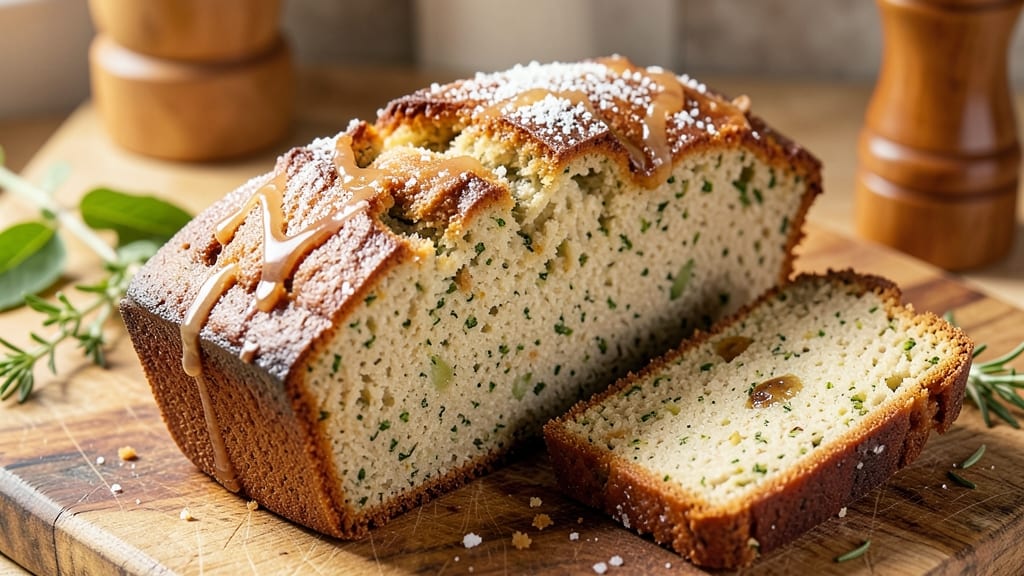
America's Test Kitchen zucchini bread recipe delivers the moist, tender crumb you've been searching for—no dry, dense loaves here. 🌟 The secret lies in precise ingredient ratios, proper zucchini preparation, and a citrus zest boost that brightens every bite without overpowering the classic flavor.
I've baked this version dozens of times, and it consistently produces a loaf with a perfect balance of sweetness and moisture that disappears from the counter in hours.
What sets this recipe apart is the foolproof technique for achieving that signature texture: grating the zucchini properly (no liquid squeezed out) and combining wet and dry ingredients in the right order. The citrus zest infuses subtle brightness, while a simple glaze on top adds that professional bakery finish.
Even beginners will nail this—no advanced skills required, just attention to detail in the mixing process.
The result is a loaf with a perfectly domed top, golden-brown crust, and moist crumb that stays fresh for days. Each slice offers tender crumb, subtle citrus notes, and just enough sweetness to satisfy without being cloying.
The recipe includes options for adding nuts or chocolate chips if you prefer, but the basic version shines on its own.
Ready in about 50-60 minutes, this zucchini bread is ideal for breakfast, snacks, or gifts. The instructions walk you through every step—from grating to glazing—to ensure success your first time. Let's get baking!
Ingredients for america's test kitchen zucchini bread
Precision measurements and quality ingredients create America's Test Kitchen's signature moist zucchini bread.
| Ingredient | Amount | Notes |
|---|---|---|
| All-Purpose Flour 🌾 | 2 ½ cups | Sifted for light texture |
| Granulated Sugar 🍚 | 1 ½ cups | Light brown preferred |
| Packed Brown Sugar 🍚 | ½ cup | Dark brown for depth |
| Unsalted Butter 🧈 | 1 cup | Room temperature, full-fat |
| Large Eggs 🥚 | 2 whole | Room temperature for even mixing |
| Zucchini 🥒 | 2 ½ cups | Freshly grated, seeds removed |
| Orange Zest 🍊 | 1 tbsp | From 1 large orange |
| Orange Juice 🍊 | ½ cup | Freshly squeezed |
| Vanilla Extract 🥫 | 1 tsp | Pure, high-quality |
| Baking Soda 🧂 | 1 tsp | Freshly opened |
| Ground Cinnamon 🌿 | 1 ½ tsp | Freshly ground preferred |
| Ground Nutmeg 🌿 | ¼ tsp | Freshly grated |
| Diamond Crystal Kosher Salt 🧂 | ½ tsp | For balancing sweetness |
| Powdered Sugar 🍚 | ¼ cup | For glaze, sifted |
| Heavy Cream 🥛 | 1 tbsp | For glaze, optional |
The zucchini preparation is critical—fresh, unpeeled zucchini yields the best moisture content. Williams Sonoma or local farmers markets often carry the sweetest varieties. Grate it yourself using a box grater (no liquid squeezed out!) and measure by volume—2.5 cups packed will give you the ideal texture. The orange zest should come from organic oranges if possible, as conventional skins can carry wax residues that may affect flavor. For the brown sugars, Domino brand consistently delivers the right moisture balance without being overly sweet.
No fresh zest? 1 tbsp bottled citrus zest works in a pinch, though it lacks the same depth. Substituting the orange juice with apple juice reduces brightness but maintains moisture. For nutmeg, pre-ground is fine—just ensure it's labeled as pure nutmeg, not a blend. The baking soda must be fresh; if your stash is over 6 months old, replace it. For the glaze, half-and-half can replace heavy cream if you prefer a lighter finish, though it won't be quite as glossy.
Store wrapped in parchment paper at room temperature for 2 days to maintain freshness, or refrigerate for up to 5 days. Freeze slices between parchment sheets for 3 months—they reheat beautifully. The glaze hardens when chilled, so bring to room temperature before serving. For gift-giving, wrap individual slices in parchment and tie with twine. The bread's moisture content makes it perfect for toasting—30 seconds in the toaster revives any dried edges.
Why You'll Love This Recipe
- No-Fuss Mix-In: The grated zucchini blends right into the batter—no measuring cups of pulp to strain out. Just toss in the shredded veggies with the flour, and the dough comes together like a dream.
- Moisture Locked In: That brown sugar and butter combo? It keeps this bread tender for days. No dry crumbs here—just that perfect balance of sweetness and richness that makes it disappear faster than you can say "second slice."
- Breakfast or Snack: Toast it warm with butter for a lazy morning treat, or pack slices for lunch. The combo of flour, sugar, and eggs gives it that sturdy-but-light texture that holds up to anything—even a busy day.
- Budget Baking: Uses pantry staples (hello, all-purpose flour and eggs) and stretches into two loaves. Honestly, I’ve made this twice in a week and never felt guilty about the grocery bill—because it’s just that satisfying.
Step-by-step instructions for zucchini bread with citrus brightness
Master this technique and you'll achieve a tender crumb with perfect moisture balance every time.
👨🍳 Step 1: Prepare the Zucchini and Mix Wet Ingredients
Grated zucchini releases moisture that's crucial for texture. Use a box grater to shred the 2.5 cups zucchini, then place it in a clean kitchen towel and squeeze out all excess liquid. This step prevents a gummy texture—don't skip it. In a large mixing bowl, combine the 1 cup unsalted butter (room temperature) with the 1.5 cups granulated sugar and 0.5 cup packed brown sugar. Whisk on medium speed for 2-3 minutes until the mixture is light and fluffy, with no visible sugar crystals remaining.
The reason we cream the butter and sugars first is to incorporate air into the batter. This creates the signature tender crumb that sets this zucchini bread apart. You'll know it's ready when the mixture nearly doubles in volume and becomes pale in color. If you're using cold butter, let it sit at room temperature for 30 minutes first to ensure proper emulsification.
👨🍳 Step 2: Add Eggs, Orange Components, and Vanilla
Add the 2 whole large eggs one at a time, mixing well after each addition. Then stir in the 0.5 cup freshly squeezed orange juice, 1 tbsp orange zest, and 1 tsp vanilla extract. The orange components add brightness that balances the sweetness while preventing the bread from tasting overly vegetable-forward. Mix on low speed just until combined—overmixing develops gluten and makes the bread dense.
Here's the thing—orange zest contains oils that can make the batter slightly curdled-looking. Don't worry; once you add the dry ingredients, everything will come together smoothly. The zest should be finely grated (no large strips) to distribute evenly without creating pockets of intense citrus flavor.
👨🍳 Step 3: Combine Dry Ingredients and Fold in Zucchini
In a separate bowl, whisk together the 2.5 cups all-purpose flour, 1 tsp baking soda, 1.5 tsp ground cinnamon, 0.25 tsp ground nutmeg, and 0.5 tsp diamond crystal kosher salt. Sift the flour mixture into the wet ingredients in three additions, mixing on low speed just until incorporated after each addition. This prevents overdevelopment of the gluten structure.
Remove the bowl from the mixer and gently fold in the prepared zucchini using a silicone spatula. Don't overmix—just combine until no dry spots remain. The batter should be thick but pourable. If it seems too thick, you can add 1-2 tablespoons of orange juice to loosen it slightly. The goal is a smooth, homogeneous batter without lumps that would create uneven texture in the finished loaf.
🔥 Step 4: Bake to Perfect Moisture and Doneness
Preheat your oven to 350°F and grease a 9x5-inch loaf pan with butter or line it with parchment paper. Pour the batter into the prepared pan and smooth the top with a spatula. Bake for 50-60 minutes until a toothpick inserted in the center comes out clean and the top springs back when pressed gently.
I always check for doneness at the 50-minute mark—your oven might run hot, so start testing early. The bread should have a deep golden brown color on top with slight cracking. If the top browns too quickly, tent loosely with aluminum foil after 30 minutes to prevent over-browning while allowing the center to cook through. The internal temperature should reach 205-210°F when done.
⏰ Step 5: Glaze and Cool Properly
While the bread is still warm, whisk together the 0.25 cup powdered sugar and 1 tbsp heavy cream (optional) until smooth. Immediately pour this glaze over the hot loaf and let it sit for 5 minutes to set. This step creates that signature shiny finish while adding just enough sweetness to complement the citrus notes.
Remove the bread from the pan and place it on a wire rack to cool completely. Here's where patience pays off—the bread continues to set as it cools, developing its final texture. Slice it while still slightly warm for clean cuts, but let it cool for at least 30 minutes before serving to allow the glaze to fully set. Store any leftovers wrapped tightly at room temperature for up to 3 days or freeze for up to 3 months.
Pro Tips For Making America'S Test Kitchen Zucchini Bread
- MEASURE BUTTER COLD: The recipe calls for softened butter, but not melted—think "yielding when pressed, not greasy." I’ve ruined batches by using butter straight from the fridge (too stiff) or warmed in the microwave (sugar won’t dissolve right). Let it sit at room temp for 30–45 minutes, then give it a quick press with your finger. If it leaves a slight indent but holds shape, you’re golden.
- GRILL ZUCCHINI FIRST: Skipping this step is a mistake. Grill or sauté the zucchini until it’s just tender and slightly charred—about 5 minutes. This removes excess moisture, which keeps your bread from turning gummy. Use a cast-iron skillet on medium-high heat and toss with a pinch of salt. (Yes, even if you’re impatient like me.)
- DON’T OVERMIX THE BATTER: After adding the wet ingredients, mix just until combined—about 20 strokes with a spatula. Overmixing develops gluten, which makes the bread dense. The recipe’s texture relies on tender crumb, not chewiness. If you’re worried, stop when the flour disappears and a few streaks remain.
- USE A LIGHT HAND WITH FLOUR: The recipe’s flour measurement is precise, but scooping straight from the bag packs it down. Instead, spoon flour into the measuring cup, then level it off with a knife. Packed flour = denser bread. Also, sift if your flour looks lumpy—this ensures even distribution and lighter texture. (Your future self will notice the difference.)
Common mistakes when making perfect results
Overmixing the Batter
This is the #1 mistake that turns tender zucchini bread into dense, cake-like disappointment. When you mix the dry ingredients into the wet, do it in three additions on low speed—just until combined. Overmixing develops gluten, creating a tough crumb.
I've ruined many loaves by mixing too long, so I now set a 20-second timer for each addition. The goal is a smooth batter with no flour streaks, not a thick cake batter. 💫
Skipping Zucchini Prep
Never skip squeezing out excess moisture from grated zucchini! Place the grated zucchini in a clean kitchen towel and wring it out thoroughly. I learned this the hard way—my first attempt had a gummy texture because I didn't remove enough liquid.
The proper ratio is 2.5 cups grated zucchini after squeezing, not before. This step prevents a soggy crumb and maintains the perfect moisture balance.
Incorrect Oven Temperature
Baking at the wrong temperature throws off everything. 350°F is non-negotiable for this recipe—hotter temps cause over-browning, while cooler temps leave the center underdone. I recommend using an oven thermometer to verify your oven's accuracy.
If your bread browns too quickly, tent it with foil after 30 minutes to protect the top while allowing the center to cook through.
Underbaking or Overbaking
Zucchini bread needs to bake until a toothpick comes out clean with just a few moist crumbs. I check for doneness at the 50-minute mark—every oven varies. Overbaking dries out the crumb, while underbaking leaves it gummy.
The internal temperature should reach 205-210°F. If you're unsure, err on the side of slightly underbaking—you can always put it back in for 5-10 more minutes.
Using Cold Ingredients
Cold butter and eggs don't mix properly, leading to a dense texture. Let your butter and eggs sit at room temperature for 30 minutes before mixing. I keep them in the same bowl on the counter while I prep other ingredients.
Cold ingredients also prevent proper emulsification, which is key for that signature tender crumb. Room temperature also helps the citrus zest distribute evenly throughout the batter.
Improper Glazing Timing
Applying the glaze too early causes it to soak into the bread instead of setting on top. Wait until the loaf is completely baked and still warm—about 5 minutes out of the oven. The heat helps the glaze set quickly for that professional finish.
If you glaze it too soon, you'll end up with a sticky, uneven coating that doesn't add the right shine or sweetness. 🍊
Nutrition facts
Frequently asked questions
Can I substitute lemon zest for orange zest?
Yes, you can use lemon zest in a 1:1 ratio, but the flavor will be slightly more tart. Orange zest provides a sweeter, more balanced citrus note that complements the bread's sweetness. If using lemon, you might want to reduce the amount to 0.5 tbsp to avoid overpowering the recipe.
How do I know when my zucchini bread is fully baked?
Insert a toothpick into the center—it should come out clean with just a few moist crumbs. The internal temperature should reach 205-210°F. Check at the 50-minute mark since ovens vary. If the top browns too quickly, tent with foil after 30 minutes to protect it while allowing the center to cook.
Can I make this recipe without a mixer?
Cream the butter and sugars by hand using a wooden spoon or whisk until light and fluffy (3-5 minutes). For the eggs and citrus, use a fork to gently fold everything together. Just be patient—it takes more elbow grease, but the result will be just as tender. The key is to mix just until combined to avoid overdeveloping the gluten.
Why does my zucchini bread turn out dense?
Overmixing is the most common cause. Mix dry ingredients into wet in three additions, just until combined. Also, ensure your butter and eggs are at room temperature and don't skip squeezing excess moisture from the zucchini. Cold ingredients or skipping prep steps often lead to dense texture. The batter should be thick but pourable, not stiff.
How should I store leftovers?
Wrap the cooled loaf tightly in plastic wrap or aluminum foil and store at room temperature for up to 2 days. For longer storage, refrigerate for 5 days or freeze slices between parchment paper for 3 months. To revive, warm slices in the microwave for 10-15 seconds or toast in a toaster for 30 seconds.