
Side Dishes
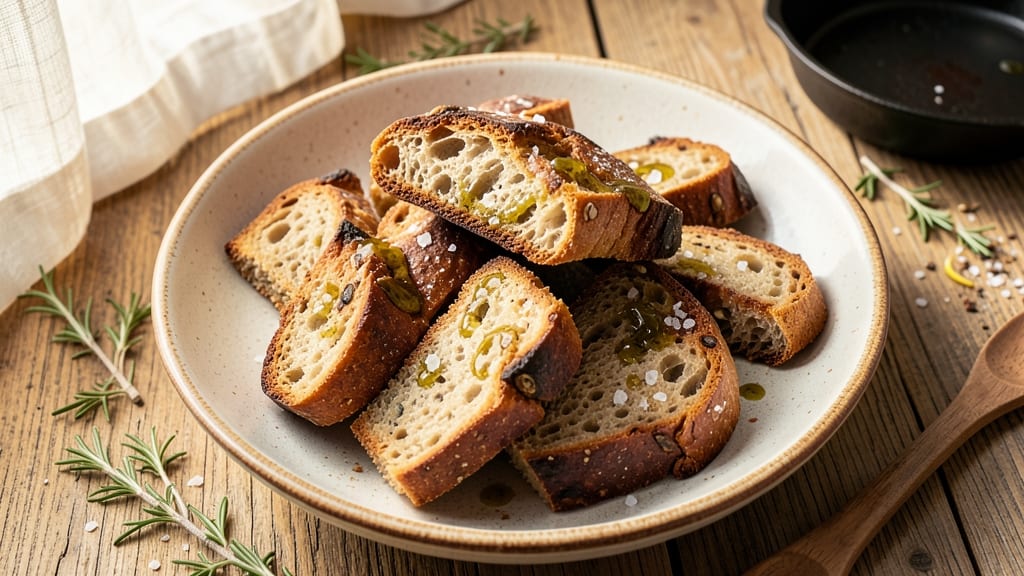
What sets this apart is the balance between traditional techniques and modern convenience. We'll use a simple poolish starter (no sourdough experience required) to build flavor while maintaining the bread's signature open crumb.
The dough develops naturally through overnight cold fermentation, eliminating the need for kneading or complex shaping. This method preserves einkorn's delicate flavor profile while achieving professional bakery results at home.
The reward is a loaf with a crisp, nutty crust that gives way to an airy, open crumb filled with those signature "windows" that define artisan bread. Each slice offers a satisfying chew and subtle sweetness from the ancient grain.
The recipe yields two 12-ounce loaves perfect for sandwiches, toast, or serving alongside soups—where its rustic charm truly shines.
For those new to einkorn, we'll include troubleshooting tips to ensure success with this lower-gluten flour, plus variations for adding seeds or herbs. The dough's gentle handling makes it ideal for beginners while still delivering restaurant-quality results. Let's bake bread that connects us to culinary traditions while satisfying modern cravings.
Ingredients for ancient grains einkorn bread
Einkorn flour, poolish starter, and precise hydration create this ancient grain masterpiece.
| Ingredient | Amount | Notes |
|---|---|---|
| Einkorn Flour 🌾 | 3 ½ cups | Organic, stone-ground preferred |
| Poolish Starter 🍞 | 1 cup | 1:1 ratio einkorn flour to water, fermented 12-24 hours |
| Unbleached All-Purpose Flour 🌾 | ½ cup | For gluten structure support |
| Active Dry Yeast 🍄 | ¼ tsp | Or 1 packet instant yeast |
| Granulated Sugar 🍚 | ½ tsp | Feeds yeast fermentation |
| Kosher Salt 🧂 | 1 ½ tsp | Diamond Crystal preferred |
| Extra-Virgin Olive Oil 🫒 | ¼ cup | For dough elasticity |
| Cold Water 💧 | 1 ½ cups | Room temperature preferred |
| Honey 🍯 | 1 tbsp | For subtle sweetness |
| Flaxseed Meal 🌰 | 1 tbsp | For dough strength |
| Cornmeal 🌽 | ¼ cup | For dusting loaf pans |
| Sesame Seeds 🌿 | 1 tbsp | Optional for crust texture |
The einkorn flour is the heart of this recipe—Bob's Red Mill or King Arthur's organic einkorn deliver the most authentic flavor. For the poolish starter, King Arthur's einkorn flour works beautifully, but any organic einkorn will do. The key is fermentation: let the starter sit at room temperature for 12-24 hours until bubbly and fragrant. If you can't find einkorn flour, spelt flour is the closest substitute, though the flavor will differ slightly. For those new to ancient grains, Bob's Red Mill offers excellent online resources about einkorn's unique protein structure—this recipe's secret weapon for that signature open crumb.
No poolish starter? A simple biga (1:1 flour to water, 12 hours at room temp) works in a pinch, though the flavor won't develop as deeply. The unbleached all-purpose flour is non-negotiable—it provides the gluten structure einkorn lacks. For the yeast, Saf-Instant is my go-to for reliable fermentation. The honey can be swapped for maple syrup if preferred, though it alters the flavor profile slightly. When measuring the flaxseed meal, grind your own from whole flaxseeds for maximum freshness—pre-ground loses potency quickly. The sesame seeds are optional but add a delightful crunch to the crust that pairs perfectly with einkorn's nutty notes.
This dough requires overnight cold fermentation for optimal flavor development. After shaping, cover the dough with plastic wrap and refrigerate for 12-16 hours—this slow fermentation enhances the einkorn's natural sweetness. The shaped loaves can be baked immediately or stored in the fridge for up to 48 hours before baking. For best results, bake within 24 hours of shaping. Leftover bread stales quickly due to einkorn's low gluten content—toast within 2 days or freeze slices for up to 3 months. The open crumb structure makes this bread perfect for sandwiches or French toast, where its unique texture truly shines.
Why You'll Love This Recipe
- Poolish Shortcut Magic: I’ll admit, making a poolish starter usually feels like homework—but this einkorn version? You mix it the night before, let it sit, and wake up to half the work done. No kneading, no fuss, just proofing and baking.
- Nutty, Toasty Crunch: That einkorn flour? It’s like eating a loaf of bread with a whisper of hazelnut and caramelized sweetness. The poolish starter deepens the flavor without overpowering it—just rich, warm, and unexpectedly satisfying.
- Weeknight Workhorse: This bread is my go-to for sandwiches, toast, or even croutons—no one will guess it’s not store-bought. Honestly, I’ve used it for everything from breakfast avocado toast to dinner salads, and it always holds up.
- Budget-Friendly Stretch: A single batch feeds my family for days, and the einkorn flour (though pricier upfront) lasts longer than white flour. Plus, the poolish starter means you’re not tossing expensive yeast every time—just a little dough, a little patience.
Step-by-step instructions for ancient grains einkorn bread
Mastering this ancient grain loaf requires patience and precision—each step builds the nutty crust and open crumb you crave.
Combine Wet Ingredients and Activate the Dough
In a large mixing bowl, whisk together the 1.5 cups cold water, 1 tbsp honey, 1 tbsp flaxseed meal, and 0.5 tsp granulated sugar until the flaxseed meal fully dissolves. This creates a smooth base that will hydrate the einkorn flour efficiently. Let the mixture sit for 5 minutes while you prepare the dry ingredients—this allows the flaxseed to thicken slightly, improving dough structure.
Next, add the 1 cup poolish starter, 3.5 cups einkorn flour, 0.5 cup unbleached all-purpose flour, 1.5 tsp kosher salt, and 0.25 tsp active dry yeast to the wet mixture. Stir with a wooden spoon or dough whisk until a shaggy dough forms—you should see some dry flour remaining on the bottom of the bowl. This is normal and ensures proper gluten development during kneading.
Develop the Dough Through Kneading and Autolyse
Transfer the dough to a lightly floured surface and knead for 8-10 minutes by hand, or use a stand mixer with a dough hook attachment on medium speed for 5-6 minutes. The dough will initially be sticky but will gradually firm up as gluten develops. You're aiming for a smooth, elastic texture that springs back slightly when poked—this indicates proper gluten formation, which is critical for the open crumb structure.
Once kneaded, return the dough to the mixing bowl, drizzle with 0.25 cup extra-virgin olive oil, and cover tightly with plastic wrap. Let it rest at room temperature for 1 hour (this is called autolyse). This resting period allows the flour to fully hydrate and relaxes the gluten, making the final shaping easier and improving oven spring. The dough should puff slightly during this time.
Shape and Proof the Dough for Optimal Rise
After the autolyse, turn the dough out onto a lightly cornmeal-dusted surface and gently shape it into a loose round. Fold the edges toward the center and rotate the dough 180 degrees, then fold again—repeat this process 3-4 times to tighten the gluten structure. This technique, called "stretch and folds," strengthens the dough and prevents excessive spreading in the oven.
Place the shaped dough in a lightly greased 9x5-inch loaf pan, seam-side up, and cover with a damp kitchen towel. Let it proof at room temperature for 1.5-2 hours until it has nearly doubled in size. The dough should feel springy when pressed gently with one finger—it should leave a slight indentation but not flatten completely. If proofing too quickly, move to a cooler spot (around 75°F) to slow fermentation and develop more flavor.
Score and Bake for a Crispy Crust and Open Crumb
Preheat your oven to 375°F with a Dutch oven inside for 30 minutes—this creates a steam environment that promotes oven spring and a crisp crust. Remove the Dutch oven and carefully transfer the loaf pan into it. Using a sharp razor blade or serrated knife, score the top of the dough at a 45-degree angle in a ½-inch deep crosshatch pattern—this prevents excessive expansion and creates an attractive crust.
Bake the loaf for 45-50 minutes until the internal temperature reaches 205-210°F and the crust turns a deep golden brown with nutty aroma. The bread should sound hollow when tapped on the bottom. If the top browns too quickly, tent loosely with aluminum foil. Remove from the oven and let it cool in the pan for 10 minutes, then transfer to a wire rack to cool completely before slicing.
Enhance the Crust and Serve
Once the bread has cooled for 1 hour, brush the top generously with melted extra-virgin olive oil and sprinkle with 1 tbsp sesame seeds for added texture and visual appeal. The seeds will toast slightly in the residual heat, adding a subtle crunch to each bite. Store the bread wrapped in a clean kitchen towel at room temperature for up to 3 days, or freeze for longer storage—this preserves the crust's crispness and the crumb's airiness.
The result should be a loaf with a nutty, crisp crust and an open, shatteringly tender crumb—each slice revealing the ancient grain's distinct character. Serve warm with olive oil and balsamic vinegar for dipping, or toast lightly for breakfast with your favorite toppings.
Pro Tips For Making Ancient Grains Einkorn Bread
- Use a 72-hour poolish: Einkorn’s lower gluten means it needs extra time to develop flavor and structure. I used to rush this and ended up with dense, flavorless bread—now I make my poolish 3 days ahead and let it sit at room temp. The longer it ferments, the nuttier and lighter the crumb becomes.
- Mix einkorn last: Add the einkorn flour after hydrating the yeast and mixing the all-purpose flour. This prevents the einkorn’s high protein from overworking the dough too early, which can make it gummy. I learned this after a batch turned out sticky and hard to shape.
- Bulk ferment cold overnight: Skip the warm proofing—einkorn benefits from a slow, cold bulk ferment (48–72 hours in the fridge). It deepens the flavor and makes the dough easier to handle when shaping. Yes, it’s impatient work, but the texture is worth it.
- Steam the first 10 minutes: Einkorn crusts burn faster than wheat. After scoring, tent the loaf with foil and steam the oven for the first 10 minutes—either by boiling water in a tray or spraying the oven walls. This guarantees a crackly crust without scorching. (I know, I know—another step, but it’s the thing that matters most.)
Troubleshooting your ancient grains einkorn bread
Dough Too Sticky
Einkorn's lower gluten content makes the dough unusually sticky. If your dough feels impossible to handle, add 1-2 tablespoons of einkorn flour incrementally while kneading—never exceed 3.75 cups total or the crumb will tighten.
I find using a dough scraper and wet hands helps transfer sticky dough without tearing. For extra insurance, chill the dough for 20 minutes before shaping to firm it up. 💪
Poor Rise or Flat Loaf
If your loaf rises poorly or collapses during baking, check your yeast first—use Saf-Instant yeast for reliability. Ensure your proofing environment is 75-78°F; warmer temps speed fermentation but weaken gluten. For cold climates, proof near a warm oven with the light on.
The dough should nearly double in 1.5-2 hours—if it's sluggish, extend proofing to 3 hours in a cooler spot. 🌡️
Dense Crumb Instead of Open
The open crumb comes from proper gluten development and steam during baking. If your bread turns out dense, ensure you're using stone-ground einkorn flour (not pre-milled). Knead thoroughly until the dough springs back when poked, and bake in a Dutch oven for maximum steam.
For extra lift, add ½ tsp vital wheat gluten to the dry ingredients—this boosts gluten structure without altering flavor. ✨
Pale Crust or Underbaked
A pale crust usually means insufficient heat or steam. Always preheat your Dutch oven for 30 minutes before baking, and score the dough deeply to allow steam escape. Brush the crust with olive oil after removing from the oven for a golden finish.
If the internal temp doesn't reach 205°F, extend baking time in 5-minute increments—einkorn's low gluten means it needs longer to fully bake. 🔥
Crust Too Hard or Dry
Einkorn's low moisture content can create dry crusts. Prevent this by brushing the baked loaf with olive oil immediately after removing from the oven. For extra tenderness, cover the cooled loaf with a damp towel overnight.
If the crust hardens quickly, slice the bread while still warm and store slices in an airtight container with a slice of apple or lemon to retain moisture. 🍯
Fermentation Issues
If your poolish starter smells sour or yeasty after 24 hours, it's overproofed—discard and make a fresh batch. For dough that ferments too quickly (rising in 1 hour), reduce yeast to ¼ tsp or proof in the fridge overnight.
Cold fermentation enhances flavor while slowing yeast activity. I always keep a backup 1 tsp yeast on hand for sluggish doughs—sprinkle it on top and cover for 30 minutes before shaping. 🧀
Nutrition facts
Frequently asked questions
Can I substitute einkorn flour with regular wheat flour?
The flavor and texture will differ significantly. Einkorn's lower gluten content creates that signature open crumb, while regular flour would yield a denser loaf. For a closer substitute, use spelt flour (75% einkorn, 25% spelt) or add ½ tsp vital wheat gluten to regular flour to mimic einkorn's protein structure. The nutty flavor profile is unique to einkorn, though!
How do I know when my poolish starter is ready?
Your starter should be bubbly, slightly domed, and smell pleasantly sweet with a hint of tang—like fresh bread dough. For einkorn, this typically takes 12-24 hours at room temperature. If it smells strongly sour or yeasty, it's overproofed. For best results, use it within 24 hours of making.
Why does my einkorn bread taste bitter?
Bitterness often comes from over-fermentation or using old flour. Ensure your poolish starter is fresh (not overproofed) and that your einkorn flour is stored properly (airtight container, cool dark place). For extra flavor, toast the flour lightly in a dry pan for 2-3 minutes before mixing—this enhances nutty notes while reducing bitterness.
Can I make this bread without a Dutch oven?
Yes, but you'll need to create steam another way. Place a baking tray on the oven rack 10 minutes before baking, then pour ½ cup boiling water into it when loading the bread. Alternatively, bake on the middle rack and brush the dough with water before scoring. The crust won't be as crispy, but the crumb will still develop nicely.
How should I store einkorn bread to keep it fresh?
Einkorn's low gluten means it stales faster than modern wheat bread. For short-term storage (3 days), wrap the cooled loaf in a clean kitchen towel and store at room temperature. To extend freshness, slice and freeze portions in an airtight container for up to 3 months. For extra moisture, place a slice of apple or lemon in the storage container.