
Side Dishes
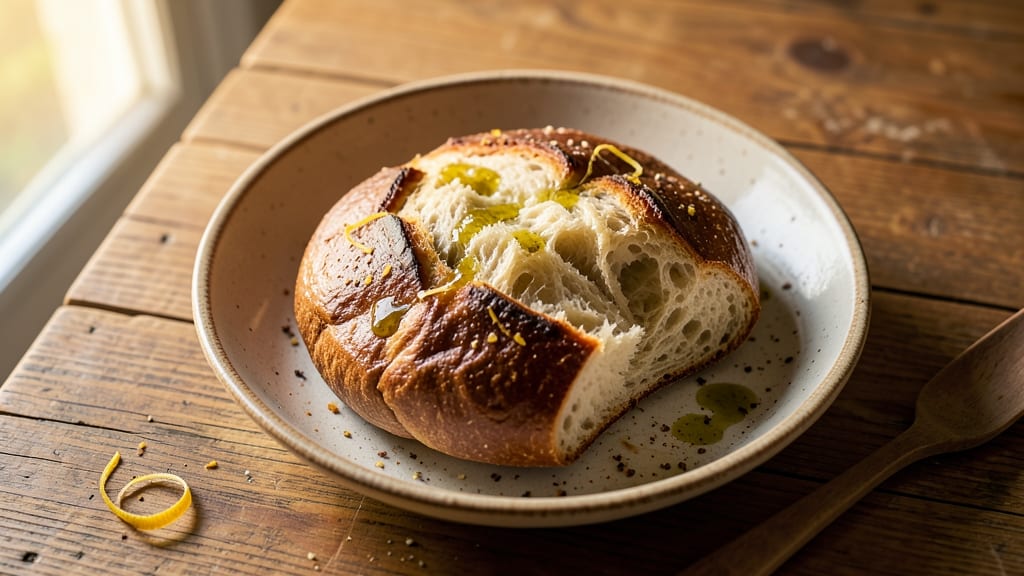
This Antimo Caputo 00 flour bread recipe delivers the perfect balance of a crusty crown and pillowy crumb—the hallmark of authentic Italian artisanal bread. The high-protein 00 flour creates that signature chewiness while maintaining an open, airy interior.
I've perfected this technique through years of baking, and it never fails to impress, whether you're serving it with soup or enjoying it fresh from the oven.
The secret lies in the dough's hydration and fermentation. We'll use an autolyse method to develop gluten properly, followed by a slow bulk fermentation at room temperature. This patience pays off with a bread that's both flavorful and structurally sound.
No special equipment is needed—just time, a scale, and a Dutch oven for that signature oven spring.
By the end, you'll have a loaf with a deep golden crust that shatters slightly when broken, revealing an interior of soft, irregular crumbs. The aroma alone will have everyone gathering around your kitchen. This recipe builds confidence with each batch, transforming your home baking into something restaurant-worthy.
Perfect for feeding a crowd or meal prepping for the week, this bread freezes beautifully too. Let's get started on creating your perfect loaf—step by step, with professional results every time.
Ingredients for antimo caputo 00 flour bread
The secret to this legendary Italian bread lies in these nine ingredients—where quality flour meets perfect technique.
| Ingredient | Amount | Notes |
|---|---|---|
| Antimo Caputo 00 Flour 🌾 | 5 cups | High-protein for signature chewiness |
| Instant Yeast 🍞 | ¼ tsp | Active dry yeast works too |
| Diamond Crystal Kosher Salt 🧂 | 1 ½ tsp | Fine grain preferred |
| Granulated Sugar 🍚 | ½ tsp | Feeds yeast for fermentation |
| Extra-Virgin Olive Oil 🫒 | 1 tbsp | High-quality, fruity variety |
| Water 💧 | 3 cups | Room temperature preferred |
| All-Purpose Flour 🌾 | ½ cup | For dusting work surface |
| Cornmeal 🌽 | ½ cup | For Dutch oven prepping |
| Ice Water ❄️ | ¼ cup | For final dough shaping |
Start with Antimo Caputo 00 flour—this isn't just any flour. The high gluten content is what gives you that signature Italian chew. King Arthur or Caputo's own brand are your best bets, but if you're in a pinch, Bread flour works in a bind. The yeast? Saf-Instant is my go-to—it's foolproof, but active dry yeast works if you let it proof in water first. Salt is non-negotiable here—Diamond Crystal kosher dissolves perfectly, but Morton's works too. Pro tip: measure your flour by weight if you have a scale—500g total for the 00 flour gives you that perfect hydration balance.
No extra-virgin olive oil? Light olive oil or avocado oil will do, but you'll lose some of that fruity depth. The sugar isn't for sweetness—it's purely to feed the yeast. Brown sugar works too, but white keeps things neutral. Water temperature matters: too hot kills the yeast, too cold slows fermentation. Room temp (70-75°F) is ideal. For the Dutch oven trick, cornmeal is key—it prevents sticking better than flour. And that ice water? Chill your hands too—it helps with shaping the dough without over-handling.
This dough is a patient one. Ferment overnight in the fridge for deeper flavor, or let it rise at room temp for 4-6 hours. The crust develops best with a steam bath—spray the oven walls with water when you bake. For storage, cool completely on a wire rack—it keeps fresh for 3 days at room temp, or freeze fully baked loaves for 3 months. To reheat: wrap in foil and warm at 350°F for 10 minutes. The aroma alone will have your kitchen smelling like an Italian bakery.
Why You'll Love This Recipe
- No-Knead Magic: I swear by this dough—just mix, wait, and bake. The Caputo 00 flour gives it that silky texture without a single punch or fold from me.
- Olive Oil Luxury: That splash of extra-virgin olive oil? It makes the crust golden and the crumb tender. Honestly, it tastes like a bakery loaf for half the effort.
- Weeknight Wonder: Toss it together in the morning, let it rise while you’re at work, and bake it when you get home. Fresh bread with zero stress—my secret weapon for busy nights.
- Budget-Friendly Staple: A single batch costs less than takeout and lasts forever. Freeze slices for toast or garlic bread later—this dough’s my pantry MVP.
Step-by-step instructions for Antimo Caputo 00 flour bread
Here's how to transform Caputo 00 flour into a masterpiece with a crackly crust and airy interior.
Mix the Dough with Precision
In a large bowl, combine the 5 cups Antimo Caputo 00 Flour, 1.5 tsp Diamond Crystal Kosher Salt, and 0.5 tsp Granulated Sugar. Make a well in the center and add the 1 tbsp Extra-Virgin Olive Oil and 3 cups Water at room temperature. The dough should come together shaggy but not sticky—if it's too dry, add 1 tablespoon of water at a time until just combined.
I use a dough whisk for this step—it incorporates the flour more efficiently than a spoon. Once mixed, let the dough rest for 10 minutes covered with a damp towel. This brief rest allows the flour to fully hydrate and makes the next kneading step much easier. Don't skip this; it's where the magic begins for that signature Italian texture.
Develop the Gluten Through Kneading
Turn the dough onto a lightly floured surface (use about 2 tablespoons of the 0.5 cup All-Purpose Flour reserved for this purpose) and knead vigorously for 10-12 minutes. You're looking for smooth, elastic dough that springs back slowly when poked. The high protein content in Caputo 00 means you'll need to work it more than with regular flour—this develops the gluten network that gives the bread its chewy interior.
Here's the thing—your arms will get tired, but don't rush. The dough should feel like well-worked playdough, not sticky or crumbly. If it starts sticking, wet your hands slightly rather than adding more flour. Once properly kneaded, shape the dough into a round and place it back in the bowl, turning once to prevent sticking. Cover and let rise at room temperature for 1-2 hours or until doubled in size.
Shape and Cold Proof for Texture
After the initial rise, gently deflate the dough and divide it into 4 equal pieces (about 1 pound each). Shape each piece into a round boule by pulling the dough toward you while rotating the boule in your hands. The surface should be smooth and taut—no cracks or loose spots. Place the shaped boules on a floured surface, cover with a damp towel, and refrigerate for 12-24 hours. This cold proofing is crucial for developing flavor and creating that signature open crumb structure.
I know it seems counterintuitive to refrigerate after rising, but trust me—this slow fermentation builds incredible depth of flavor. The dough will rise very slowly in the fridge, developing complex aromas and a tighter gluten structure. When ready to bake, the dough should feel firm but still springy when poked.
Preheat and Prepare for Baking
Preheat your oven to 475°F with a Dutch oven inside for 45 minutes. While it heats, dust the Dutch oven with cornmeal (use about ¼ cup of the 0.5 cup reserved) to prevent sticking. The Dutch oven creates a steam chamber that's essential for that crackly crust. Remove the hot Dutch oven from the oven using oven mitts and carefully transfer the cold boules into it, spacing them about 1 inch apart. They should sizzle slightly when they hit the hot surface—that's your sign they're ready.
Bake to Golden Perfection
Return the Dutch oven to the oven and bake for 30 minutes at 475°F. Then reduce heat to 450°F and bake for another 20-25 minutes until the bread is deep golden brown. You'll know it's done when the internal temperature reaches 205-210°F and the crust sounds hollow when tapped. For that final touch, remove the lid and bake for 2-3 minutes more to crisp the crust.
Let the bread cool on a wire rack for at least 1 hour before slicing. The interior should be wonderfully airy with an open crumb, while the exterior boasts that coveted crackly crust. Slice through the middle to reveal the perfect balance of texture—crispy crown with pillowy crumb inside. This is where Caputo 00 truly shines in bread baking.
Pro Tips For Making Antimo Caputo 00 Flour Bread
- Weigh Your Flour: Caputo 00 is lighter than all-purpose—don’t eyeball it. Use a kitchen scale for 500 grams of flour, not 500ml. I learned this the hard way when my loaves turned dense and gummy; the volume difference matters more than you’d think.
- Bloom Yeast in Warm Oil: Mix the instant yeast with 2 tablespoons of warm olive oil (not water) before adding to the dough. The fat helps activate it faster and gives the crust that signature tender crunch. Sounds weird, but it works—no more waiting for yeast to wake up in flour.
- Skip the Over-Kneading: Caputo 00 develops gluten fast. Knead just until the dough pulls away from the bowl (about 8–10 minutes by hand). Overwork it, and you’ll end up with a chewy brick instead of an airy, shatterable crust. Resist the urge to "fix" it by adding more flour mid-knead.
- Proof at Room Temp: Let the dough rise in a warm but not hot spot (75–80°F is ideal). A too-cool kitchen means a long wait; a too-hot one kills the yeast. I use a turned-off oven with a bowl of hot water nearby—consistent temps guarantee a proper rise without rushing.
Best sauces and condiments for these flavors
Classic Garlic Olive Oil
Drizzle this bread with extra-virgin olive oil infused with 4 minced garlic cloves and ½ tsp red pepper flakes for an instant flavor boost. I heat ¼ cup olive oil with the garlic and pepper in a small pan over low heat for 2 minutes—never let it brown.
Brush the warm oil mixture onto freshly baked slices while still warm for maximum flavor absorption. 🌿
Whipped Ricotta Spread
Whip ½ cup whole-milk ricotta with 1 tbsp honey, 1 tsp lemon zest, and a pinch of salt until smooth. This sweet-tangy spread pairs perfectly with the bread's chewy texture.
For extra flair, add chopped fresh basil or toasted pine nuts. Serve with a sprinkle of flaky sea salt for contrast. ✨
Sun-Dried Tomato Pesto
Blend ½ cup sun-dried tomatoes in oil, 2 tbsp pine nuts, 2 garlic cloves, ¼ cup basil, and ¼ cup olive oil until smooth. For depth, add 1 tsp balsamic vinegar and ½ tsp smoked paprika.
This pesto elevates every bite—spread on warm bread or use as a dip for toasted slices. The smoky-sweet balance is pure magic. 🍅
Honey and Sea Salt
Drizzle 2 tbsp local honey (I love Buckwheat or Wildflower) over slices and finish with flaky Maldon sea salt. The contrast between the bread's chewiness and the honey's floral notes creates a restaurant-worthy pairing. For extra texture, sprinkle with crushed pistachios or toasted sesame seeds. 🍯
Prosciutto and Fig Jam
Layer thinly sliced prosciutto with 2 tbsp fig jam (look for whole figs, not pieces) on warm bread. The salty-sweet combo cuts through the bread's richness. I like to add a few arugula leaves for peppery freshness. This combo feels luxurious but takes just 5 minutes to assemble. 🍇
Herbed Butter Compound
Mix ½ cup softened butter with 2 tbsp chopped fresh rosemary, 1 tbsp chopped thyme, 1 garlic clove (minced), and 1 tsp lemon zest. Chill for 30 minutes before spreading on warm bread. The herby richness complements the bread's crusty exterior and soft interior perfectly. 🌿
Nutrition facts
Frequently asked questions
Can I substitute Antimo Caputo 00 flour with regular all-purpose flour?
The high protein content in Caputo 00 (about 13-14%) is what gives this bread its signature chewiness and open crumb. While you can use bread flour as a substitute, expect a denser texture and less dramatic oven spring. For best results, stick with Caputo 00 or King Arthur Bread Flour—both have the gluten structure needed for authentic Italian bread.
Why does my dough feel too sticky after mixing?
Caputo 00 flour absorbs more water than regular flour, so the dough may feel tacky at first. If it's truly too sticky, add 1 tablespoon of flour at a time while kneading, but don't overdo it—too much flour weakens gluten development. The dough should be smooth but not gluey by the end of your 10-12 minute kneading. Wet your hands slightly if it starts sticking during shaping.
How do I know when the bread is fully baked?
Look for three key signs: the internal temperature should reach 205-210°F (use an instant-read thermometer), the crust should be deep golden brown, and it should sound hollow when tapped on the bottom. The bread should also pull away slightly from the sides of the Dutch oven. If unsure, bake 5 more minutes—it's better to slightly overbake than underbake.
Can I bake this bread without a Dutch oven?
Yes, but you'll need to create steam another way. Place a baking sheet on the lower rack, then pour 1 cup boiling water into it just as you put the bread in the oven. The steam will help develop that crackly crust. For even better results, bake the bread on a preheated pizza stone or steel. The texture won't be identical, but it'll still be delicious.
Why did my bread turn out dense instead of airy?
Dense bread usually results from one of three issues: under-kneading (gluten needs 10-12 minutes of work), over-handling the dough during shaping, or insufficient fermentation. Make sure your dough doubles in size during bulk fermentation and gets that 12-24 hour cold proof. Also check your yeast—if it's old or inactive, it won't properly develop the bread's structure.