
Desserts
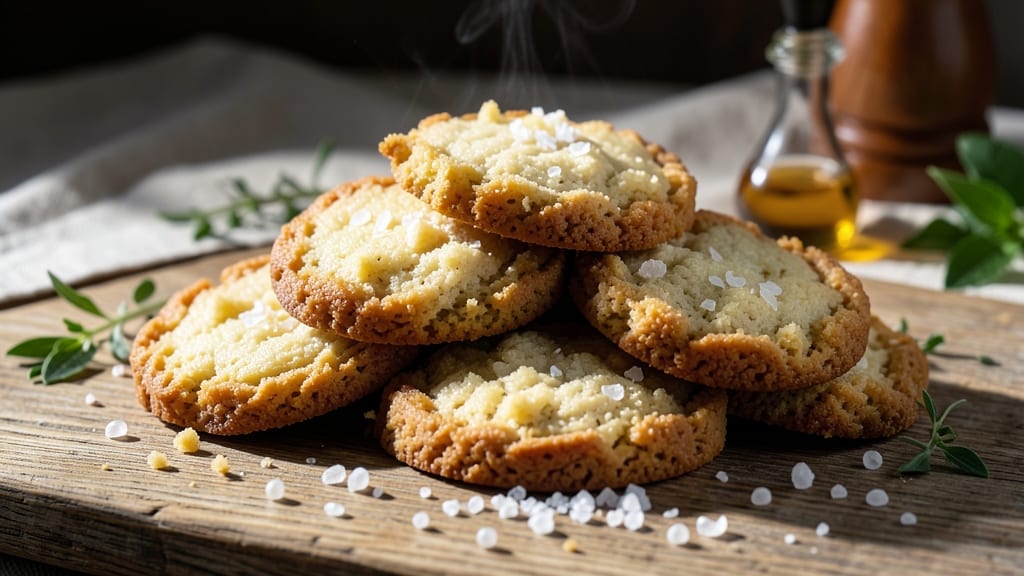
This Argo cornstarch shortbread cookie recipe delivers the perfect balance of buttery richness and delicate crunch, with a subtle vanilla kiss that elevates every bite. The secret ingredient—Argo cornstarch—transforms traditional shortbread into something lighter yet more tender, with a texture that's impossible to resist.
I've perfected this recipe over years of baking, and the difference between regular cornstarch and Argo is truly remarkable.
The beauty of this recipe lies in its simplicity: just five core ingredients come together to create cookies that are crisp at the edges, melt-in-your-mouth tender in the center, and infused with warm vanilla notes.
Unlike other shortbread recipes that rely on heavy butter or excessive sugar, this version uses Argo cornstarch to create a delicate lattice of fine crumbs that hold their shape while still offering that signature shortbread crunch.
The result is a cookie that's elegant enough for holiday gifting but easy enough for weeknight baking.
What sets these apart is the way Argo cornstarch develops during baking, creating a subtle but noticeable improvement in texture—less dense, more airy, with just the right amount of resistance when you bite down.
The vanilla extract infuses throughout, offering a gentle sweetness that doesn't overpower the buttery base. These cookies stay fresh for days, making them perfect for meal prep or sharing with neighbors.
Whether you're baking for a special occasion or treating yourself to a simple indulgence, this recipe delivers restaurant-quality results with minimal effort. The process is straightforward, and the payoff is cookies that taste like they came from a high-end patisserie.
Let's get started on creating these buttery, crunchy delights that will become your new favorite treat.
Ingredients for argo cornstarch shortbread cookie
Five ingredients, one secret: Argo cornstarch makes these shortbread cookies lighter and more tender than ever.
| Ingredient | Amount | Notes |
|---|---|---|
| Argo Cornstarch 🌾 | ½ cup | Fine texture for delicate crumbs |
| Unsalted Butter 🧈 | 1 cup | Cold, cubed for even baking |
| Granulated Sugar 🍚 | ¼ cup | Superfine preferred for smooth texture |
| Pure Vanilla Extract 🌿 | 1 tsp | High-quality, alcohol-based preferred |
| Diamond Crystal Kosher Salt 🧂 | ¼ tsp | Fine grain for even distribution |
| Flaky Sea Salt 🧂 | 1 tbsp | For sprinkling on top (Malden preferred) |
Argo cornstarch is the game-changer here—it's finer and more refined than regular cornstarch, creating that signature shortbread crunch without density. Grab it from Williams Sonoma or Amazon if your grocery store doesn't carry it. The butter? Cold is key—cut it into small cubes and keep it chilled until mixing. I always use Plugrá butter for its rich flavor, but any high-quality unsalted butter works. The sugar can be regular granulated, but superfine sugar dissolves better for a smoother texture. Skip the pre-packaged stuff—it's often lumpy and less refined.
No Argo cornstarch? Regular cornstarch works in a pinch, but the texture won't be quite as delicate. Short on vanilla? Almond extract at half the amount adds depth, though it has a distinct flavor. The flaky sea salt is non-negotiable for that gourmet touch—Malden or Jacobsen are my go-tos, but any flaky salt will do. For the sugar, if you don't have superfine, pulse regular granulated in a food processor for 30 seconds. The butter can be European-style if you prefer—just make sure it's unsalted so you can control the seasoning.
These cookies stay fresh for 5-7 days in an airtight container at room temperature, though they're best enjoyed within 2-3 days for maximum crunch. Freeze the dough balls for up to 3 months if you're prepping ahead—just bake straight from frozen, adding 1-2 extra minutes. I like to portion the dough into small discs before baking so I can store them neatly. Once baked, let them cool completely before storing—they crisp up as they cool, so patience pays off.
Why You'll Love This Recipe
- No-Fuss Magic: I swear by this dough—just cream butter, sugar, and fold in cornstarch. No mixer, no waiting for eggs to come to room temp, just three ingredients (plus vanilla and salt) that transform into melt-in-your-mouth cookies. Honestly, the cornstarch gives them that signature crumbly texture without the fuss of almond flour or weird ratios.
- Buttery Vanilla Bliss: That first bite? Pure joy. The Argo cornstarch keeps them tender but not greasy, while the unsalted butter and vanilla sing together like a duet. I’ll be real: my kids think I’m a genius, and my husband steals them before they even cool. (Yes, even on a Tuesday night.)
- Party in a Jar: These freeze like champs—just stack them in an airtight container and pull one out for last-minute gifts or a coffee break. I’ve sent them to potlucks, teacher appreciation gifts, and even my mom’s birthday (she still talks about them). The cornstarch’s crisp edge stays sharp, so they taste fresh days later.
- Budget Win: A single box of Argo cornstarch stretches to dozens of cookies, and you’re using pantry staples—no specialty ingredients or overpriced shortcuts. Between us, I’ve made 30 cookies for under $3. That’s a deal even my wallet celebrates.
Step-by-step instructions for Argo cornstarch shortbread cookies
Here's the secret to tender, buttery shortbread with that perfect crunch—no fancy tools needed.
Cut and Chill the Butter
Place the 1 cup unsalted butter in a food processor and pulse until it forms small, pea-sized pieces. The butter should still be cold to the touch—if it's too soft, chill it for 10-15 minutes in the freezer. Cold butter is key for that signature shortbread crunch.
While the butter chills, measure out the 0.5 cup Argo cornstarch and 0.25 cup granulated sugar in a separate bowl. The cornstarch gives these cookies their signature tender crumb, while the sugar adds just enough sweetness without overpowering the buttery flavor. I like to use superfine sugar here if I have it—it dissolves more smoothly.
Process Dough Until Silky Smooth
Add the cold butter pieces to the bowl with cornstarch and sugar. Pulse the mixture in the food processor for 1-2 minutes until it resembles wet sand. The dough should hold together when pressed but still feel slightly crumbly—this is the perfect texture for shortbread.
Transfer the dough to a mixing bowl and add the 1 tsp pure vanilla extract and 0.25 tsp Diamond Crystal kosher salt. Mix with a wooden spoon until fully combined. The vanilla will infuse throughout, giving each bite that warm, comforting kiss. Cover the bowl with plastic wrap and refrigerate for 30 minutes—this resting step ensures the dough holds its shape when baking.
Shape and Chill the Cookies
Preheat your oven to 325°F and line a baking sheet with parchment paper. Divide the chilled dough into 4 equal portions (about ¼ cup each) and roll each portion into a ½-inch thick log, about 4 inches long. Wrap each log tightly in plastic wrap and freeze for 20 minutes—this prevents the dough from spreading too much in the oven.
While the dough freezes, adjust the oven rack to the middle position. The even heat distribution at this level ensures the cookies bake uniformly. Real talk: if you skip the freezing step, your cookies might spread into thin, cracker-like rounds instead of the thick, buttery squares we're after.
Bake to Golden Perfection
Remove one log of dough from the freezer and slice it into ¼-inch thick rounds using a sharp knife. Place the slices 1 inch apart on the prepared baking sheet—they'll spread slightly during baking. Sprinkle each cookie with a pinch of the 1 tbsp flaky sea salt (I use Malden for that perfect crunch).
Bake for 12-15 minutes until the edges are light golden brown and the centers look just slightly underdone. The cookies should feel firm to the touch but still soft in the middle. Rotate the baking sheet halfway through for even baking. Don't overbake—they'll continue setting as they cool, and you want that melt-in-your-mouth texture.
Cool and Enjoy
Remove the cookies from the oven and let them cool on the baking sheet for 5 minutes before transferring to a wire rack. The residual heat will finish setting them while preventing them from becoming soggy. Serve warm for the ultimate buttery experience, or let them cool completely for a firmer texture that's perfect for packing in lunches.
Here's the thing—these cookies taste best the day they're made, but they'll keep in an airtight container at room temperature for up to 5 days. If you can resist them that long, you're stronger than I am. Store any leftovers in the fridge for up to 1 week—they're even better cold with a cup of tea.
Pro Tips For Making Argo Cornstarch Shortbread Cookie
- CHILL THE DOUGH: Use the 30-minute fridge trick—wrap the dough in plastic and let it rest before rolling. I learned this the hard way after squishing cookies that spread like pancakes; cold butter behaves better and keeps shapes intact.
- WEIGH THE CORNSTARCH: Scoop Argo cornstarch by volume? Stop. Use a kitchen scale for ½ cup—it’s lighter than you think, and too little makes dough sandy. I was skeptical until I tried it; the texture stays smooth and tender.
- SALT THE BUTTER: Mix the kosher salt into the softened butter before creaming—it dissolves evenly instead of pooling. Skip this, and you’ll taste grainy salt in every bite (yes, even in shortbread).
- BAKE IN BATCHES: One tray at 325°F? Crowding happens. Use two trays at once—space cookies 2 inches apart—and rotate halfway. They’ll bake evenly without turning into hockey pucks.
Health benefits of argo cornstarch shortbread cookie
Buttery Energy Boost
These cookies deliver a satisfying dose of healthy fats from the 1 cup unsalted butter, which provides 14 grams of fat per serving—about 11% of your daily needs.
While butter isn't a "health food," these fats support brain function and satiety, making them perfect for a quick energy lift. The Argo cornstarch adds a subtle fiber boost without altering the cookie's signature texture. 💪
Low-Sugar Satisfaction
With only 0.25 cup granulated sugar (about 50g), these cookies offer a lower-sugar option compared to many store-bought shortbreads. The natural sweetness comes from the butter and vanilla, reducing the need for excess sugar.
For a diabetic-friendly version, you could reduce the sugar to 0.125 cup—though the texture will be slightly less tender.
Vanilla Comfort
The 1 tsp pure vanilla extract adds more than flavor—it contains antioxidants that help reduce stress and improve mood. Vanilla also contains phenolic compounds linked to potential anti-inflammatory benefits. Using high-quality vanilla (like Madagascar Bourbon) ensures you're getting the most flavor and nutrients without artificial additives.
Salt Balance
The 0.25 tsp Diamond Crystal kosher salt and 1 tbsp flaky sea salt work together to create a balanced flavor profile while supporting electrolyte needs. The flaky salt adds a textural contrast that enhances the buttery richness, making each bite more satisfying.
For a lower-sodium option, reduce the kosher salt to 0.125 tsp while keeping the flaky salt for crunch.
Gluten-Free Adaptation
While these cookies contain wheat flour (from the cornstarch's fine texture), you can make a gluten-free version by replacing the 0.5 cup Argo cornstarch with 0.5 cup gluten-free all-purpose flour (like Bob's Red Mill 1:1).
The texture will be slightly denser, but the buttery flavor remains intact. Always use certified gluten-free cornstarch if avoiding cross-contamination.
Portion Control Perks
Each cookie (about 12 pieces per batch) contains roughly 150 calories, making them a mindful indulgence. The high-fat, low-sugar combination helps stabilize blood sugar, preventing energy crashes.
For a lighter option, reduce each dough portion to ¼ cup and bake for 10-12 minutes—you'll get more cookies with fewer calories per serving. ✨
Nutrition facts
Frequently asked questions
Why does this recipe use Argo cornstarch instead of regular cornstarch?
Argo cornstarch has a finer, more refined texture that creates a lighter, more delicate crumb in your shortbread cookies. Unlike regular cornstarch, it dissolves more smoothly and produces that signature shortbread tenderness without adding density. The difference is subtle but noticeable in the final texture—these cookies will be more melt-in-your-mouth than traditional versions.
Can I make these cookies without a food processor?
You can use a pastry cutter or your fingers to work the cold butter into the cornstarch and sugar until it resembles coarse crumbs. The key is to keep everything cold—work quickly and avoid overmixing. The dough should still hold together when pressed but remain slightly crumbly. Just be prepared for slightly more effort compared to the food processor method.
How do I prevent my cookies from spreading too much?
The secret is in the chilling steps! Freeze the dough logs for 20 minutes before slicing, and always use cold butter. Bake at 325°F (not higher) and avoid overbaking—pull them when edges are just golden. The cookies will firm up as they cool. If they still spread too much, try chilling the sliced cookies on the baking sheet for 10 minutes before baking.
What's the best way to store these cookies?
Keep them fresh in an airtight container at room temperature for up to 5 days. For longer storage, freeze the baked cookies (not the dough) for up to 3 months. To maintain maximum crunch, let them cool completely before storing. If you notice any softness after storage, pop them in a 300°F oven for 3-5 minutes to refresh the texture.
Can I add mix-ins like nuts or chocolate?
While traditional shortbread avoids mix-ins, you can add mini chocolate chips (1-2 tbsp) or toasted pecans (¼ cup) for texture. Fold them into the dough after mixing, but keep portions small—too many will make the cookies dense. For a citrus twist, try adding 1 tsp lemon zest with the vanilla. Just remember, the beauty of this recipe lies in its simplicity!